
 EN
EN


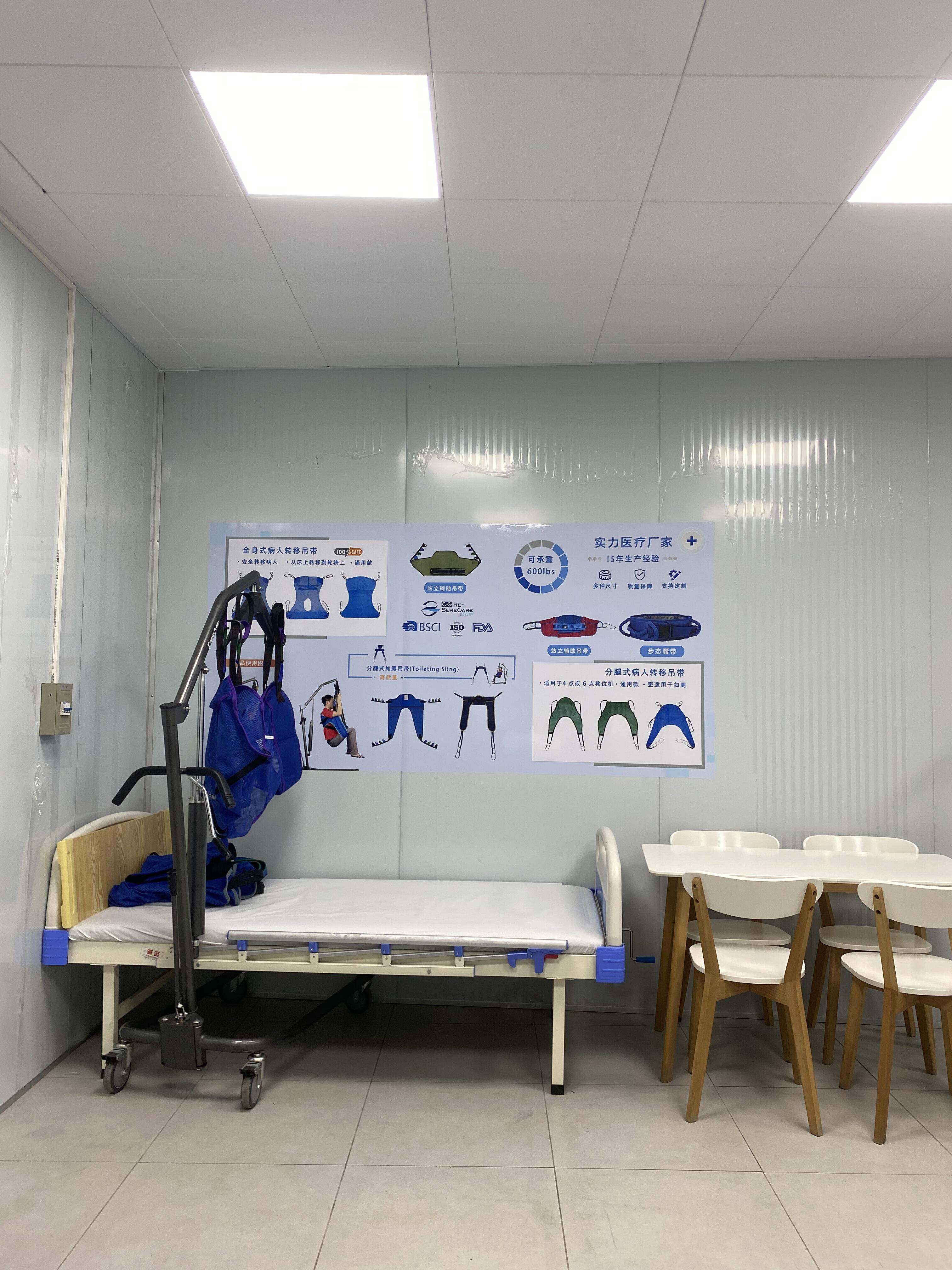
In the realm of patient care, ensuring safety is paramount, and quality control in slings plays a critical role in this aspect. Slings are essential tools used in various healthcare settings, including hospitals and rehabilitation centers, to assist in the safe movement and positioning of patients. This article delves into the importance of quality control in slings, the processes involved, and how they contribute to enhanced patient safety.
The Importance of Quality Control in Healthcare Slings
Quality control is a systematic process aimed at ensuring that products meet specified requirements and standards. In the context of healthcare slings, quality control is vital as it directly impacts patient safety. Slings must be durable, reliable, and capable of supporting patients of varying sizes and conditions. Any failure in these aspects can lead to serious accidents, including falls or injuries during patient transfers.
Key Components of Quality Control Processes
Quality control in manufacturing slings involves several critical components. First, raw materials must be carefully selected and tested for strength and durability. Next, manufacturing processes must adhere to strict guidelines, including stitching techniques and load testing. Regular inspections and audits are essential to identify any defects early in the production process. By implementing these measures, manufacturers can ensure that their slings consistently meet safety standards.
Compliance with Regulatory Standards
In many countries, healthcare products, including slings, are subject to regulatory standards set by organizations such as the FDA in the United States or CE marking in Europe. Compliance with these standards is not just a legal requirement but a commitment to patient safety. Manufacturers must conduct thorough testing and documentation to demonstrate that their products are safe for use. This compliance reassures healthcare providers and patients alike that they are using reliable equipment.
The Role of Training and Education
Quality control does not end with the manufacturing process. Healthcare providers must be adequately trained in the proper use of slings to ensure patient safety. This includes understanding how to assess a patient’s needs, selecting the appropriate sling, and using it correctly during transfers. Continuous education and training programs can help mitigate risks associated with improper use, further enhancing patient safety.
Industry Trends and Innovations
As the healthcare industry evolves, so do the technologies and practices surrounding quality control in slings. Innovations such as smart slings equipped with sensors to monitor load and patient movement are emerging. These advancements not only improve safety but also provide valuable data for healthcare providers to enhance their practices. Additionally, there is a growing emphasis on sustainable materials and practices in the production of slings, aligning with global efforts towards environmental responsibility.
In conclusion, quality control in slings is a multifaceted process that is essential for ensuring patient safety. From rigorous manufacturing standards to comprehensive training for healthcare providers, every aspect contributes to minimizing risks and enhancing the patient experience. As the industry continues to innovate, staying informed about trends and best practices will be crucial for healthcare professionals dedicated to providing safe and effective care.