
 EN
EN



High-Durability Patient Lift Slings for Frequent Clinical Transfers
The Importance of Durable Patient Lift Slings in Clinical Settings
Challenges of Frequent Patient Transfers
Frequent patient transfers pose significant challenges in clinical settings, leading to increased risks of injuries for both patients and caregivers. Statistics reveal that a considerable portion of healthcare-related work injuries result from patient lifting and transferring tasks. In fact, it's estimated that around 40% of nurses experience back injuries, highlighting the physical toll such tasks can have on caregivers. Moreover, the emotional and psychological impact of these repetitive physical demands can contribute significantly to burnout and job dissatisfaction among healthcare workers. Thus, addressing patient transfer challenges is vital for safeguarding both patients and caregivers and ensuring a healthy working environment within healthcare facilities.
How High-Durability Slings Reduce Caregiver Injury Risk
High-durability patient lift slings have emerged as an effective solution to alleviate the physical burden on caregivers and ensure safe patient transfers. These slings are engineered to support safe and efficient transfers, significantly minimizing the risk of caregiver injuries, including musculoskeletal strains. Studies have shown that the use of durable patient lift slings can reduce the occurrence of such injuries by up to 50%. This is achieved through improved designs that enhance weight distribution and provide sufficient surface area to better support patients. This case is critical in managing heavier patients and lowering the physical exertion typically required from caregivers, ensuring both patient safety and caregiver comfort during transfers.
Key Features of High-Performance Patient Lift Slings
Material Selection: Polyester Mesh for Strength & Breathability
The material selection for patient lift slings is crucial, and polyester mesh stands out as a preferred choice due to its strength, durability, and breathability. Polyester mesh's capacity to withstand wear and tear extends the service life of the sling, justifying its widespread use among manufacturers. This material is renowned for its moisture-wicking properties, which significantly enhance patient comfort by minimizing skin irritation during extended usage. The breathability factor of the polyester mesh is particularly beneficial in maintaining patient skin health, which is indispensable in clinical settings where comfort and hygiene are prioritized.
Ergonomic Designs for Hands-Free Nursing Assistance
Ergonomically designed slings are fundamentally transforming patient care by enabling hands-free nursing assistance, allowing caregivers to manage multiple tasks simultaneously. These ergonomic features are proven to alleviate the physical burden on caregivers, as studies demonstrate a reduction in exertion, thus fostering a safer work environment. Additionally, ergonomic designs prioritize patient dignity and comfort during transfers, which is a critical aspect in healthcare settings where efficiency, safety, and patient-centered care are paramount. The integration of such designs aligns perfectly with industry trends focusing on enhancing both patient and caregiver experiences.
Weight Capacity and Size Considerations
Understanding the weight capacity and size of patient lift slings is imperative to ensure safe and effective patient transfers in clinical settings. Slings come with varying weight capacities, which are crucial in preventing accidents caused by improper fitting. Properly fitted slings not only ensure patient safety but also protect caregivers from potential injuries. Consulting with sling manufacturers is advisable, as they offer valuable insights and guidelines on the appropriate size and weight capacity for diverse patient needs, supporting healthcare facilities in making informed choices that prioritize patient and caregiver safety.
Specialized Patient Lift Slings for Clinical Applications
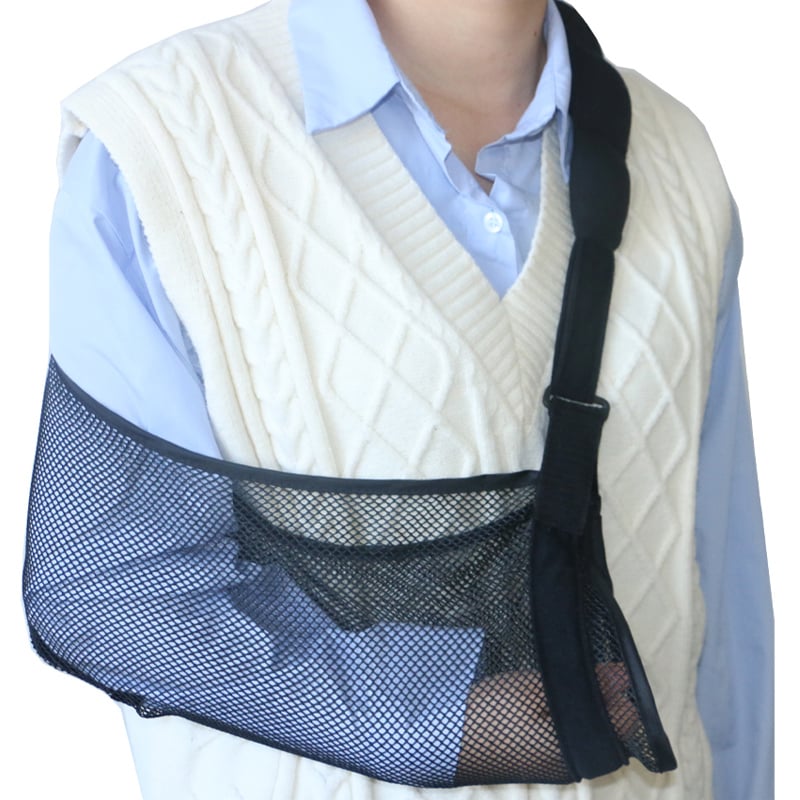
Arm Sling For Shoulder Injury-CGSL282
The CGSL282 arm sling is crafted to cater to patients recovering from shoulder injuries, offering exceptional support and comfort. This specialized arm sling has been clinically validated to aid in recovery by ensuring proper alignment and easing pain during daily movements. Additionally, its adjustable straps ensure a personalized fit, accommodating the unique needs of individual patients. You can explore more details about this Arm Sling For Shoulder Injury-CGSL282.
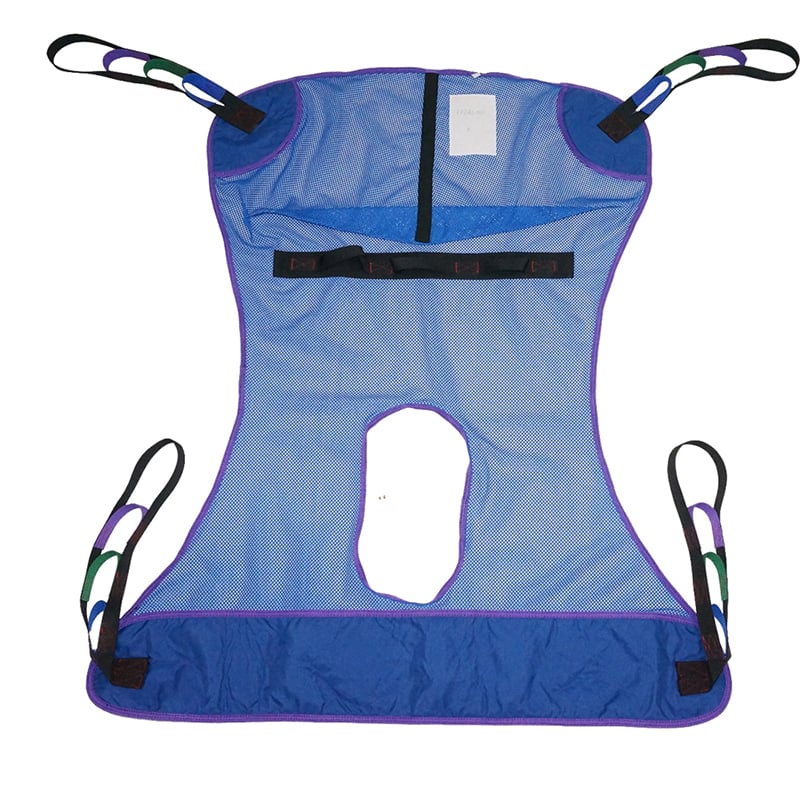
Mesh Full Body Sling with Commode Cut-Out-CGSL208
The CGSL208 mesh sling is engineered for comprehensive full-body support and includes a convenient commode cut-out, simplifying the transfer of patients needing toileting assistance. Data from clinical applications underscore that such designs not only expedite transfers but also uphold patient dignity by minimizing exposure during critical transitions. Its waterproof mesh material further ensures ease of cleanliness and adherence to hygiene protocols in clinical environments, making it a practical choice for healthcare settings.
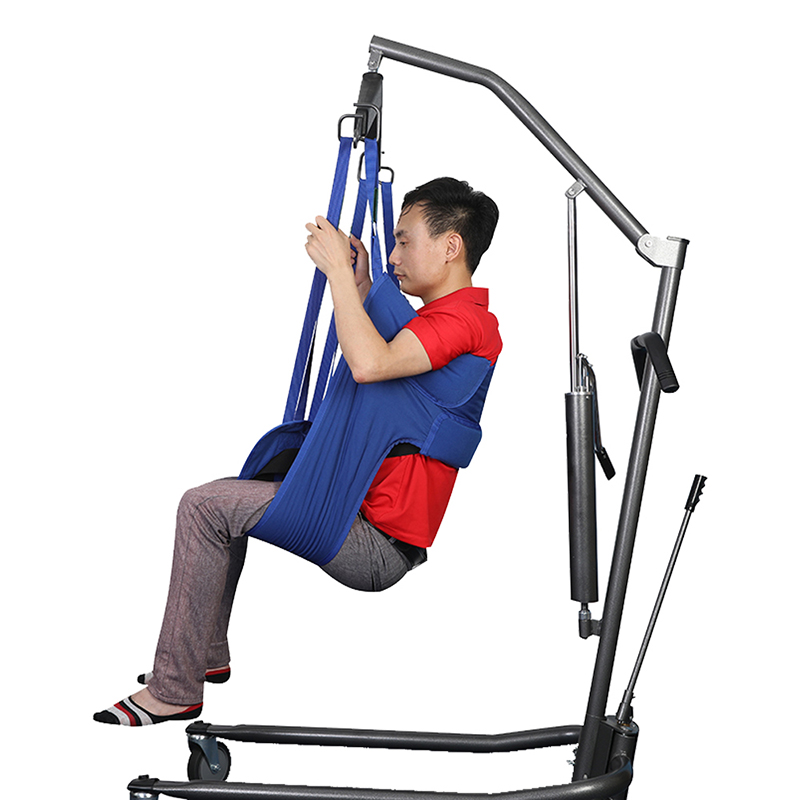
Deluxe Padded Toileting Sling-CGSL220
The CGSL220 deluxe padded toileting sling stands out for its superior comfort, incorporating extra padding to safeguard the skin during transfers. Clinical studies have shown that slings with additional padding minimize friction and pressure points, reducing the likelihood of skin complications. Its open-bottom design caters to hygiene requirements, ensuring safety and comfort during patient handling. The design, thus, enhances the overall effectiveness for both patients and caregivers during toileting tasks.
Implementation and Maintenance Best Practices
Selecting the Right Sling for Transfer Frequency
Selecting the appropriate sling for the frequency of patient transfers is crucial in healthcare settings. The right choice ensures both effectiveness and longevity of the slings used. Best practices recommend evaluating the types and frequencies of patient transfers to opt for slings that meet necessary safety and durability standards. This is particularly important in high-traffic facilities where wear and tear can quickly degrade sling quality. Healthcare facilities often implement training programs that educate staff on proper sling selection and application. This education enhances safety by ensuring that staff are knowledgeable about which sling types are appropriate for various patient conditions and transfer situations, promoting efficient and secure patient handling.
Cleaning Protocols for Long-Term Durability
Implementing effective cleaning protocols is essential for maintaining patient lift slings' integrity and cleanliness. Industry standards specify laundering slings at certain temperatures separately to prevent damage and ensure hygiene. These guidelines help extend the lifespan of slings, retaining their functionality and safety. Regular inspections for wear and tear, along with adherence to strict maintenance schedules, are necessary. Such practices are pivotal in identifying early signs of degradation. This preventive approach not only prolongs the life of the slings but also ensures continuous safety in patient care, preventing any potential failures during lifting and transferring processes.