
 EN
EN



Toileting Sling Selection Protocols for Dignity-Focused Patient Care
Understanding the Role of Toileting Sling Selection in Patient Care
Promoting Dignity Through Thoughtful Design
Thoughtful design in toileting slings significantly enhances a patient's sense of dignity during toileting. By prioritizing patient comfort and privacy, healthcare providers can transform a potentially distressing experience into one that preserves the individual's dignity. The choice of materials plays a crucial role in this process; for instance, selecting soft, breathable fabrics ensures comfort while maintaining privacy. Additionally, toileting slings are designed with ergonomic features to cater to individuals with disabilities or limited mobility. Such features not only aid in safe transfers but also accommodate individual physical needs, promoting independence. Ensuring the sling design respects the user's privacy is essential, making the toileting process as seamless and dignified as possible.
Safety Implications of Sling Selection
Selecting the wrong toileting sling can pose significant safety risks, with potential consequences such as falls and injuries. Statistics reveal notable patient injuries related to the use of inappropriate equipment during toileting processes, emphasizing the critical need for proper sling selection. According to some industry reports, the use of unsuitable slings accounts for a portion of injuries amongst patients, directly linked to falls during transfers. The right choice of sling can mitigate these risks, highlighting the need for thorough assessments before selecting a sling. When healthcare professionals conduct comprehensive evaluations, they can better match slings to individual needs, thereby increasing safety and minimizing the risk of injury. This proactive approach underscores the necessity of an informed selection process in patient care.
Critical Factors in Toileting Sling Selection
Patient Mobility and Trunk Stability Assessment
Evaluating a patient's mobility levels and trunk stability is a crucial step in selecting the appropriate toileting sling. Conducting a personalized assessment ensures the chosen sling aligns with the individual's specific needs, thereby reducing complications during transfers. According to studies, such assessments significantly improve patient outcomes, highlighting the importance of a tailored approach. By understanding a patient's unique capabilities, healthcare providers can select a sling that offers optimal support and safety, fostering a more efficient and comfortable toileting experience.
Weight Capacity and Size Requirements
Understanding weight limits and size requirements is essential to prevent equipment failure or patient injuries when selecting a toileting sling. Knowing the maximum weight capacity each sling can handle is vital as exceeding it can lead to severe accidents. Standard sizing practices are equally important; an inappropriate size can compromise patient safety and comfort. Industry standards and expert recommendations emphasize the need for thorough evaluations to ensure each sling is fit for purpose, ultimately safeguarding patient well-being.
Material Considerations for Hygiene & Comfort
Material selection plays a significant role in toiletries slings by promoting both hygiene and patient comfort. Materials with hygienic properties and ease of cleaning are crucial to prevent infections and enhance patient well-being. Utilizing breathable fabrics in sling design can improve patient comfort, particularly for extended use, by reducing skin irritation and moisture buildup. Proper maintenance protocols also contribute to retaining sling hygiene, ensuring a clean and safe environment for both caregivers and patients.
Commode Access and Clothing Management
Toileting sling design should address common challenges like commode access and efficient clothing management, significantly improving the patient experience. Certain features, such as adequate openings and ease of clothing removal, facilitate a smooth transition for patients and ease the caregiver's task. Incorporating user feedback into design improvements can lead to slings that better meet user needs, making the process more dignified and less cumbersome for patients. Such thoughtful designs enhance overall toileting efficiency, aligning with both patient and caregiver expectations.
Specialized Toileting Slings for Dignity-Focused Care
Mesh Full Body Sling with Commode Cut-Out (CGSL208)
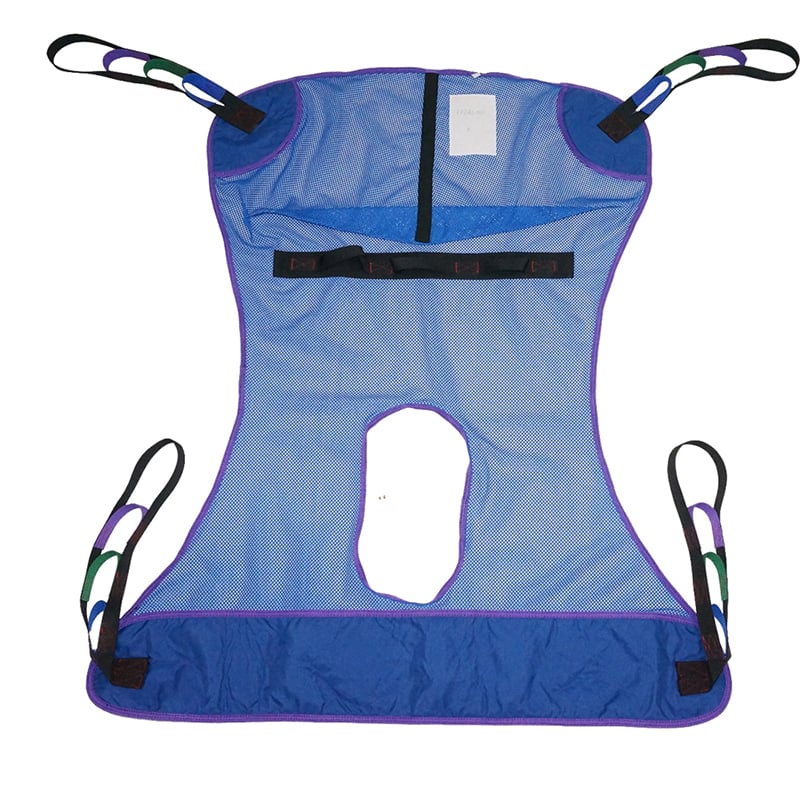
The CGSL208 mesh full body sling is designed with a commode cut-out, offering a unique approach to maintaining patient dignity during toileting needs. This sling provides excellent support while facilitating easy toileting access, thus preserving patient dignity. The mesh material is specifically chosen for its quick draining and drying properties, ensuring optimal hygiene and reducing moisture-related discomfort for patients. This mesh design allows air to circulate freely, which aids in moisture management and prevents skin issues caused by prolonged dampness. Users have shared positive testimonials, citing the sling’s ability to enhance comfort and hygiene during transfers.
Deluxe Padded Toileting Sling (CGSL220)
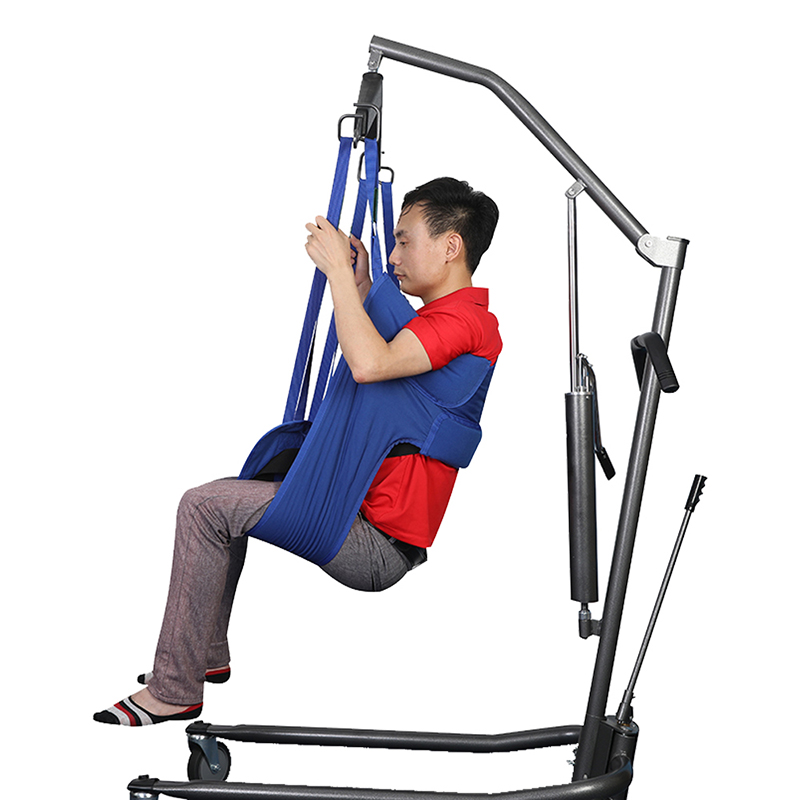
The CGSL220 deluxe padded toileting sling offers a comfort-enhanced design specifically suited for patients with sensitive skin. The sling is crafted with comfortable polyester padding, ensuring that the patient's skin remains protected while providing effective support during the transfer. The well-padded areas under the arms and back contribute to lumbar support, making transfers smoother and safer without compromising mobility. Additionally, this sling is available in various sizes, accommodating different patient needs. Healthcare providers interested in enhancing patient comfort and safety during transfers should consider this sling's detailed specifications.
Implementing Safe Usage Protocols
Proper Fitting and Attachment Verification
Ensuring a sling is properly fitted is paramount for the safety and comfort of patients. This involves measuring the patient's size accurately, considering weight, height, and the specific needs of their physical condition. Healthcare professionals recommend a comprehensive checklist to verify that slings are attached securely. This includes checking all straps for signs of wear, confirming that fasteners are locked, and verifying that the sling supports the patient’s body comfortably without risk of slipping. Consistent adherence to these protocols helps prevent accidents and enhances the safety of sling usage in medical facilities.
Staff Training for Risk Reduction
Proper training on sling usage plays a vital role in mitigating risks associated with improper handling. Statistics indicate that a significant number of injuries among healthcare professionals are due to insufficient training in patient handling techniques. By educating staff members about the correct use of slings, healthcare facilities can significantly reduce these injury rates. Implementation of continuous education and refresher courses ensures that staff stay up-to-date with the latest techniques and safety measures, promoting a culture of safety and care.
Laundering and Infection Control
To maintain the hygiene of toileting slings and prevent infection, a structured laundering procedure is essential. It is recommended to use detergents that are specially formulated for medical fabrics to avoid damage and ensure thorough sanitation. Different sling materials require specific washing methods; hence, it is crucial to follow manufacturer guidelines. Regular laundering should be done based on the frequency of sling usage and the patient's needs, usually after every use, to ensure high hygiene standards are met consistently.