
 EN
EN



Why Is a Patient Gait Belt Essential for Safe Mobility?
The Essential Role of Patient Gait Belts in Safe Mobility
How Gait Belts Prevent Falls During Transfers
Gait belts are a vital tool for caregivers aiming to prevent falls during patient transfers. Offering caregivers a secure grip, these belts significantly reduce the risk of dropping patients, which is critical in ensuring safety. According to a 2021 study published in the Journal of Geriatric Nursing, the proper use of gait belts in assisted mobility settings can reduce fall incidents by up to 30%. This is because gait belts help in controlling a patient's center of gravity, making movements smoother and safer. By promoting proper ergonomics, gait belts enhance safety during lifting and shifting tasks.
Reducing Caregiver Strain with Proper Support
The use of gait belts is not only beneficial for patient safety but also crucial for reducing caregiver strain. By allowing caregivers to maintain proper body mechanics, these belts prevent common injuries such as back strains. Research indicates that caregivers using gait belts experience 25% fewer back injuries compared to those who don’t employ them. This is primarily because gait belts distribute the patient’s weight evenly, simplifying movement assistance. Furthermore, well-designed gait belts with comfortable straps can significantly reduce caregiver fatigue during multiple patient transfers.
Enhancing Patient Independence and Confidence
Patient independence and confidence are markedly improved with the use of gait belts. These belts encourage patients to actively participate in their movements, which fosters a sense of control and involvement. Studies highlight that when patients are assisted with a gait belt, they feel more secure and confident, resulting in better rehabilitation outcomes. Beyond physical assistance, gait belts serve as psychological tools that reduce anxiety associated with movement, thereby speeding up recovery and improving overall satisfaction with care. Empowering patients to aid themselves not only accelerates their recovery but also enhances their sense of autonomy.
Key Features to Look for in a Quality Patient Gait Belt
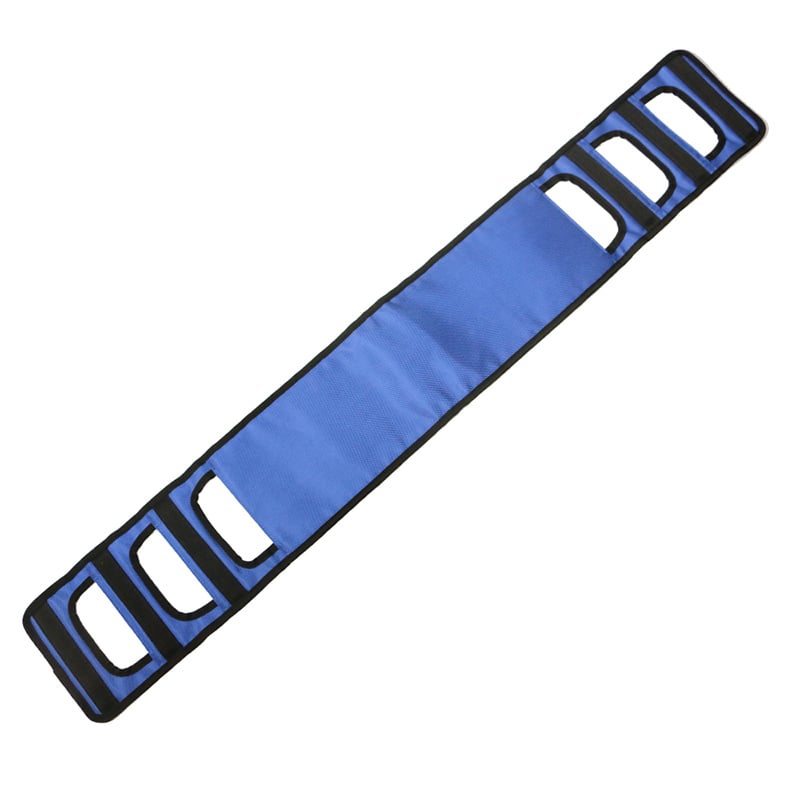
Transfer Sling Gait Belt-CGSL275: Multi-Angle Support & Breathable Design
The CGSL275 offers exceptional multi-angle support, allowing caregivers to assist patients in various transfer scenarios effortlessly. Its breathable design ensures patient comfort during prolonged use, reducing the risk of skin irritation. This makes it particularly suitable for patients with limited mobility, as the breathable fabric promotes airflow, minimizing the possibility of overheating. User feedback has highlighted enhanced satisfaction with the multi-angle support features, citing increased safety and efficiency during transfers.
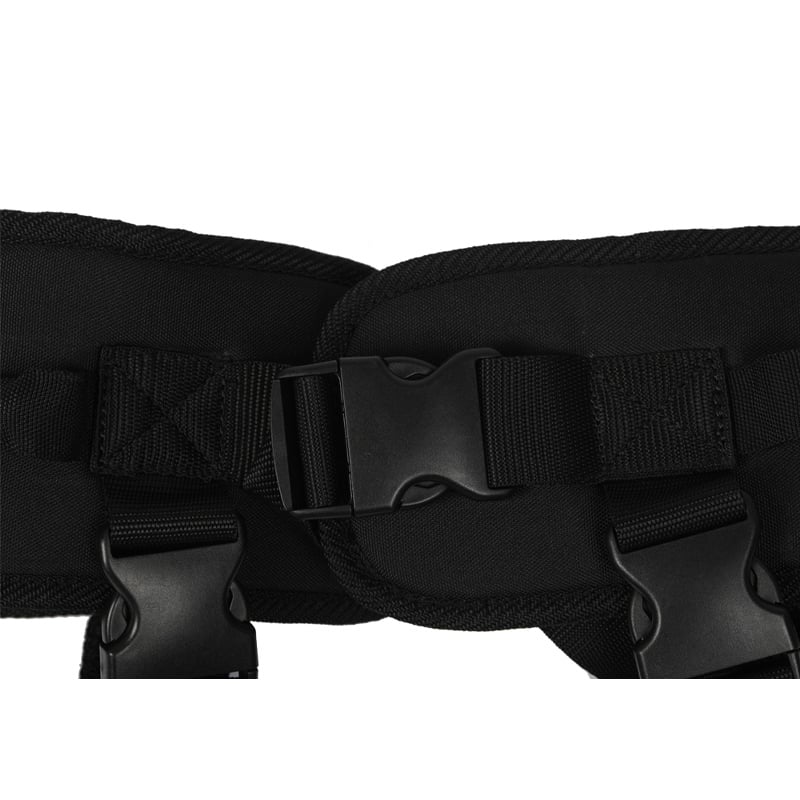
Patient Transfer Gait Belt With Leg Straps-CGSL279: Stability for Complex Transfers
The CGSL279 model incorporates leg straps that stabilize the patient's lower body, especially during complex transfers. These leg straps significantly reduce the risk of slippage and provide a secure hold, thus enhancing overall safety. This model is particularly beneficial for users facing additional mobility challenges, offering extra support where needed most. Expert recommendations stress the importance of using leg straps for patients who require enhanced stability during transfers to ensure safety.
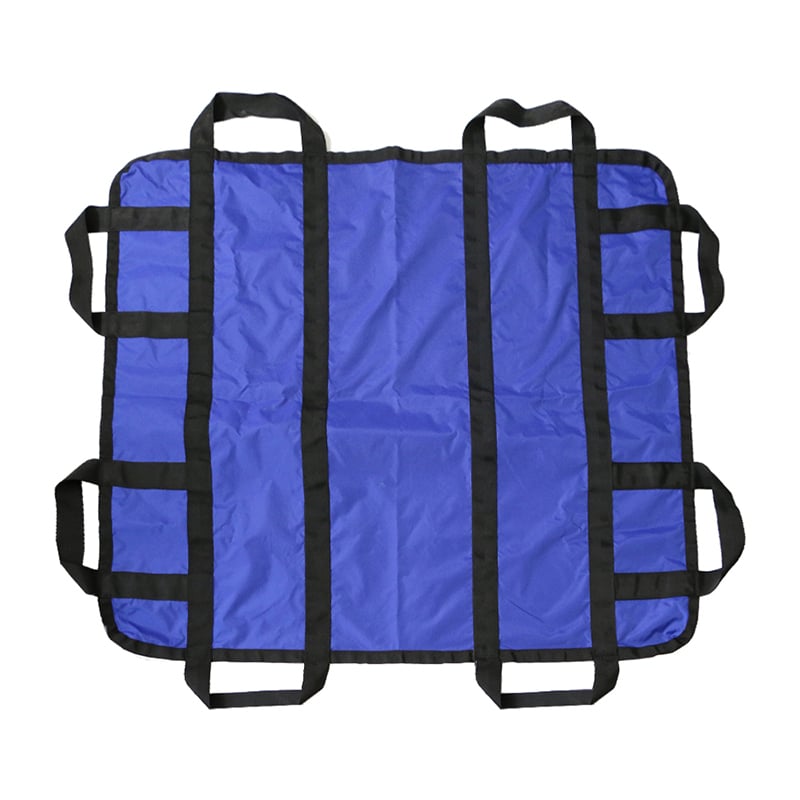
Transfer Sheet With 8 Handles-CGSL280: High-Capacity Repositioning Aid
The CGSL280 transfer sheet is equipped with multiple handles, enabling a versatile approach to patient repositioning. Its high-capacity design can accommodate larger patients, promoting safer handling and reducing strain on caregivers. Using a transfer sheet with numerous handles allows various staff members to participate, thereby minimizing the risk of injury. Studies have shown that transfer sheets designed with multiple handles greatly improve the efficiency of repositioning tasks.
Proper Techniques for Using Medical Transfer Slings Safely
Securing the Belt: Positioning and Adjustment Best Practices
Securing the gait belt correctly is fundamental to ensure both patient comfort and safety. It's crucial that the belt is snug enough to hold firm but not too tight, which could cause discomfort. By educating staff on optimal positioning, we can significantly reduce the risk of injuries during transfers. Proper adjustment minimizes the chance of the belt slipping, which enhances safety for both the patient and the caregiver. Regular training sessions on best practices play a vital role in maintaining high safety standards in care facilities, ensuring everyone is well versed in secure transfer protocols.
Communication Strategies During Assisted Mobility
Clear communication, both verbal and non-verbal, is essential during patient transfers to ensure all actions are understood and executed smoothly. Studies have shown that effective communication can significantly reduce accidents related to patient transfers, by as much as 50%. Encouraging patients to voice their comfort levels is equally important, allowing caregivers to modify techniques to better suit individual needs. Regular team meetings can help in refining these communication strategies among caregivers, fostering an environment where assisted mobility is approached with enhanced safety and efficiency.
Risks of Improper Gait Belt Use in Mobility Assistance
Common Injuries from Incorrect Handle Grip Techniques
Incorrect handle grip techniques can pose significant risks during mobility assistance. When caregivers employ improper grips, they may inadvertently cause strains or sprains to themselves and to patients. More severe injuries, like fractures, can also occur. Notably, research highlights that incorrect gait belt use is responsible for approximately 15% of mobility-related injuries in nursing homes. To mitigate these risks, it is essential to train staff adequately on the proper use of gait belts. Moreover, case studies illustrate that nursing homes implementing correct handling protocols witness significant reductions in injury rates, underscoring the value of such preventive measures.
Why Loose Fastening Compromises Fall Prevention
A loose fastening of gait belts can severely undermine fall prevention efforts. If the belt is not securely fastened, it fails to provide the necessary support, leading to slips and falls. Data emphasizes that many fall incidents during assisted mobility stem from improperly secured gait belts. Education of caregivers on the criticality of tight fastening can significantly enhance patient safety outcomes. Moreover, implementing routine checks for belt tightness is a practical strategy to improve overall care quality and ensure the effectiveness of the transfer sling for seniors.
Choosing Between Portable Transfer Slings and Traditional Belts
When to Use Breathable Mesh vs. Reinforced Nylon
Choosing between breathable mesh and reinforced nylon materials for transfer slings largely depends on the specific needs and conditions of the patient. Breathable mesh slings are ideal for extended use, especially in warmer environments, as they prevent overheating and discomfort. These slings are excellent for individuals who require frequent transfers throughout the day. On the other hand, reinforced nylon slings offer robust support and are better suited for heavier individuals who need more durable transferring aids. Making an informed decision about the material can greatly enhance patient comfort and improve caregiver efficiency during transfers. Consulting both staff and patients helps ensure the chosen material meets specific needs seamlessly.
Assessing Weight Capacity for Bariatric Patients
When it comes to bariatric patients, understanding the weight capacity of transfer slings is crucial to ensuring safe and efficient transfers. Using equipment that can handle higher weight limits significantly reduces the risk of accidents caused by equipment failure. According to expert guidelines, specialized bariatric transfer slings should be employed to securely accommodate larger individuals. Regular assessments of both the patient's requirements and the caregiver's capabilities are essential in selecting suitable support equipment. By doing so, we can ensure that both safety and efficiency in mobility assistance are maintained at optimal levels.