
 EN
EN



Best Practices for Using a Patient Gait Belt Effectively
Choosing the Right Fit and Material
Selecting the correct gait belt is crucial for patient safety and comfort during assisted mobility. Ensuring a proper fit prevents falls and provides stable support, particularly when transferring patients from beds to wheelchairs. It's vital to choose a belt that can be adjusted according to the patient's waist size, ensuring snug placement without constriction. Gait belts are available in various materials, including cotton and nylon. Cotton belts offer added comfort, while nylon belts are known for their durability and easy cleaning. Both materials serve different needs, with nylon being preferable in medical environments where sanitization is a priority. Adjustable sizes are significant as they cater to individuals of varying sizes, offering flexibility and a secure fit necessary for the effectiveness of the gait belt.
Step-by-Step Positioning Guidelines
Positioning a gait belt properly is essential for safe patient transfer and reducing the risk of accidents. Here is a step-by-step guide to ensure correct application:
- Prepare the Patient: Have the patient sit on the edge of the bed facing you and clearly explain the process before positioning the gait belt.
- Place the Belt: Wrap the belt around the patient's waist, with the buckle in front. Ensure the belt is over clothing, avoiding direct contact with the skin, especially for those with sensitive skin.
- Adjust the Tightness: Tighten the belt until you can comfortably slip two fingers between the belt and the patient's body, ensuring it's snug but not restrictive.
- Stand Positioning: Once secure, instruct the patient to stand. The caregiver should maintain a firm grip on the belt, palms facing outward to prevent the belt from tightening more than necessary.
- Assist with Movement: Use handles if available to enhance grip and control. Ensure both the caregiver and patient have the right posture to prevent back injuries—knees bent, back straight for the caregiver.
Following these guidelines minimizes risks and maximizes the protective benefits of the gait belt during transfers, embodying the principles of effective patient support and safety.
Safe Transfer and Ambulation Techniques
Assisted Standing and Sitting
Assisting a patient in standing and sitting safely with a gait belt requires proper biomechanics to ensure both patient and caregiver safety. Using a gait belt enhances stability, significantly reducing the risk of falls. During this process, caregivers might face challenges such as patient weight, balance issues, or resistance due to anxiety. To address these, they can leverage techniques like maintaining eye contact, offering clear verbal instructions, and utilizing mechanical aids for heavier patients. Notably, studies show correct transfer techniques can drastically lower injury risks, improving outcomes for both patients and caregivers.
Supporting Patients During Walking
When supporting a patient during walking, it is essential to focus on both physical and emotional support. Effective methods include walking alongside the patient while securely holding the gait belt, regularly assessing their balance. Personalization is key: adjustments must be tailored to the patient's mobility abilities, ensuring adjustments for those with varied conditions like stroke recovery or frailty in older adults. Expert insights, such as those from healthcare professionals, emphasize the importance of patience, reassurance, and encouragement, making walks safer and more comfortable. By incorporating these techniques, we help patients retain mobility and confidence.
Avoiding Common Gait Belt Mistakes
Improper Placement Risks
Improper placement of gait belts poses several risks, including falls and bruising. These errors can occur when the belt is either too high or too low on the patient's torso, leading to instability. Moreover, fastening a gait belt too loosely can cause the belt to slip, creating a tripping hazard, while an overly tight belt may restrict breathing and cause discomfort. Statistics show that incorrect application of gait belts has led to increased incidents of falls and injuries in care settings, making it crucial for caregivers to understand the hazards of improper positioning. Ensuring the belt is snug yet comfortable requires that caregivers are able to insert two fingers between the belt and the patient's body, confirming both security and comfort in the fitting.
Overreliance Without Proper Training
Relying solely on a gait belt without appropriate training is fraught with danger. The absence of adequate guidance can result in unsafe conditions for both patients and caregivers. Educational initiatives and programs are vital in equipping caregivers with the knowledge and skills necessary to use gait belts effectively, emphasizing correct handling, positioning, and patient interaction. Testimonials from care facilities highlight that such training significantly enhances caregiver confidence and patient safety, ensuring a higher standard of care. To mitigate risks, it's important that caregivers engage in regular training sessions to refresh their skills and stay up-to-date with best practices, ultimately fostering a safer environment for patient mobility and transfer.
Recommended Patient Care Products
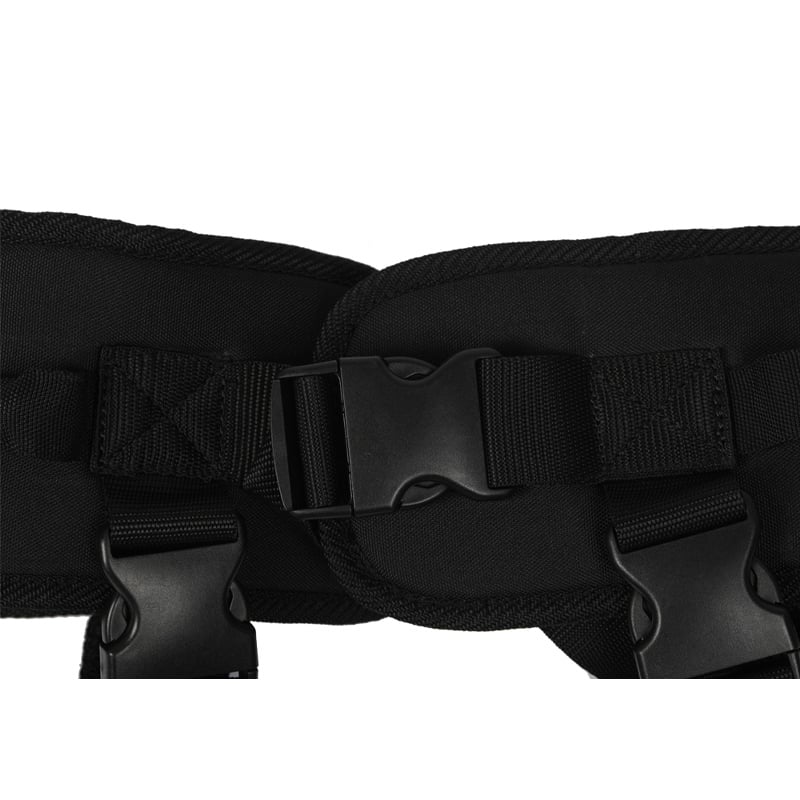
Patient Transfer Gait Belt With Leg Straps-CGSL279
The CGSL279 Patient Transfer Gait Belt is essential for safe and reliable patient transfers. It features strong handles and adjustable leg straps, enhancing stability and comfort during movement. This design allows caregivers to assist patients from various angles, offering effective support and minimizing risk. While the product description doesn't mention specific certifications, ensure that equipment like this adheres to local safety standards for peace of mind. Reviews from users highlight the belt's ease of use and reliability, drawing attention to its durable construction and comfort in patient-centered care.
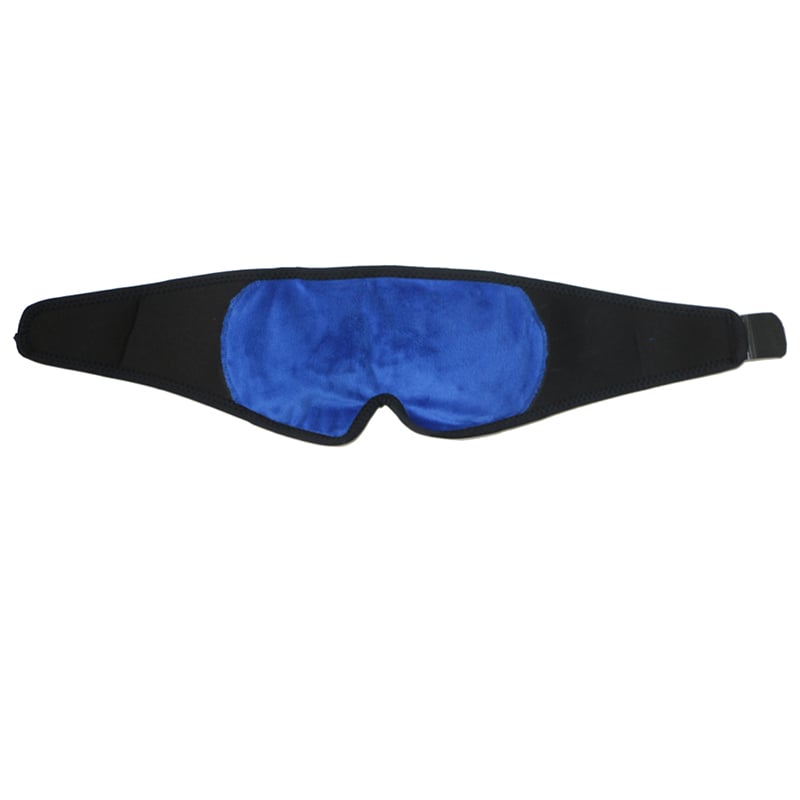
Migraine Ice Head Wrap-CGSL503
The CGSL503 Migraine Ice Head Wrap offers significant therapeutic benefits, particularly for those suffering from migraines. It applies cold therapy to alleviate headache symptoms and can be utilized for other minor aches and sprains. Users appreciate its ease of use, where the gel pack can be conveniently heated in a microwave for hot therapy. Portability is another key feature, making it suitable for both home and clinical settings. Using supportive products like this, alongside gait belts, can create a more holistic approach to patient care.
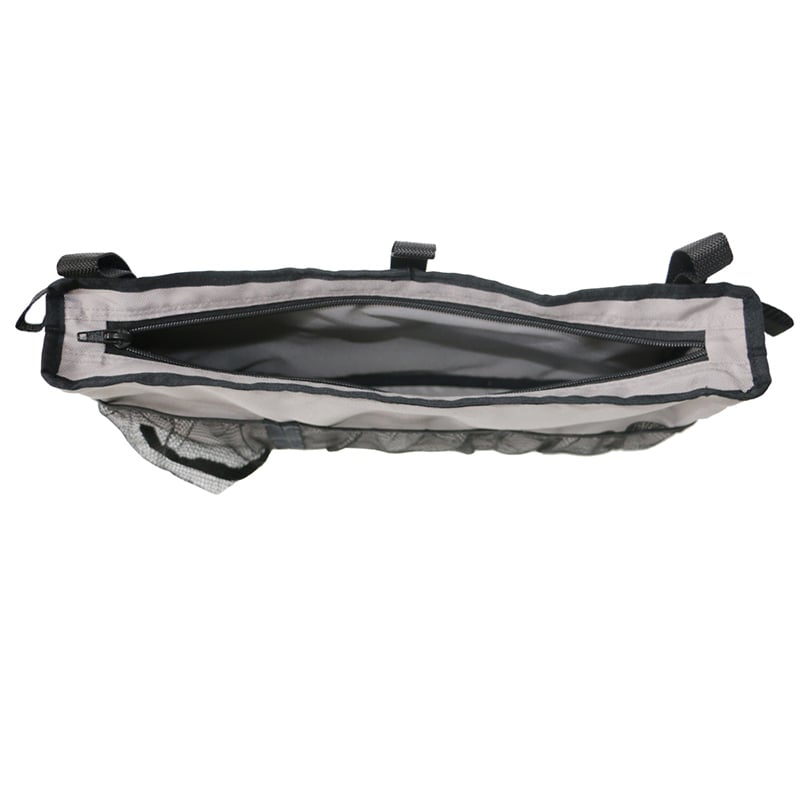
Portable Attachment Tote Caddy Walker Storage Bag-CGSL616
For caregivers who rely on gait belts for patient transfer, having a practical storage solution is invaluable. The CGSL616 Portable Attachment Tote Caddy Walker Storage Bag offers convenience, enabling organized storage of essential items during patient care. The bag is machine washable and comes equipped with mesh pockets for quick access to frequently used materials. Users find these organizational benefits enhance efficiency, making routine patient transfers smoother and more effective. Practical examples from user experiences demonstrate its functionality and reliability in day-to-day caregiving tasks.
Maintenance and Safety Checks
Cleaning and Inspection Protocols
Maintaining clean and safe gait belts involves following specific cleaning protocols to preserve their integrity. Regular cleaning using suitable materials and methods is crucial to prevent cross-contamination and ensure patient safety. Experts recommend using a mild detergent and warm water to gently cleanse the belts and avoid harsh chemicals that could damage them. Regular inspections should be carried out to ensure belts are free of tears and frays that might compromise their function. It's essential to follow expert recommendations for the frequency of cleaning, often after every use, to enhance safety and hygiene.
When to Replace Your Gait Belt
Recognizing when to replace a gait belt is key to maintaining safety standards in healthcare environments. Signs that a belt needs replacement include visible wear and tear, fraying, or discoloration, which can diminish its effectiveness. Practitioners and healthcare providers can follow best practices for determining the lifespan of various belt types, typically between six months to a year, depending on usage. Statistics underscore the importance of equipment maintenance: regular checks and replacements significantly reduce the risk of falls and injuries in healthcare settings. Proper maintenance ensures patient safety and extends the belt's functionality.