
 EN
EN


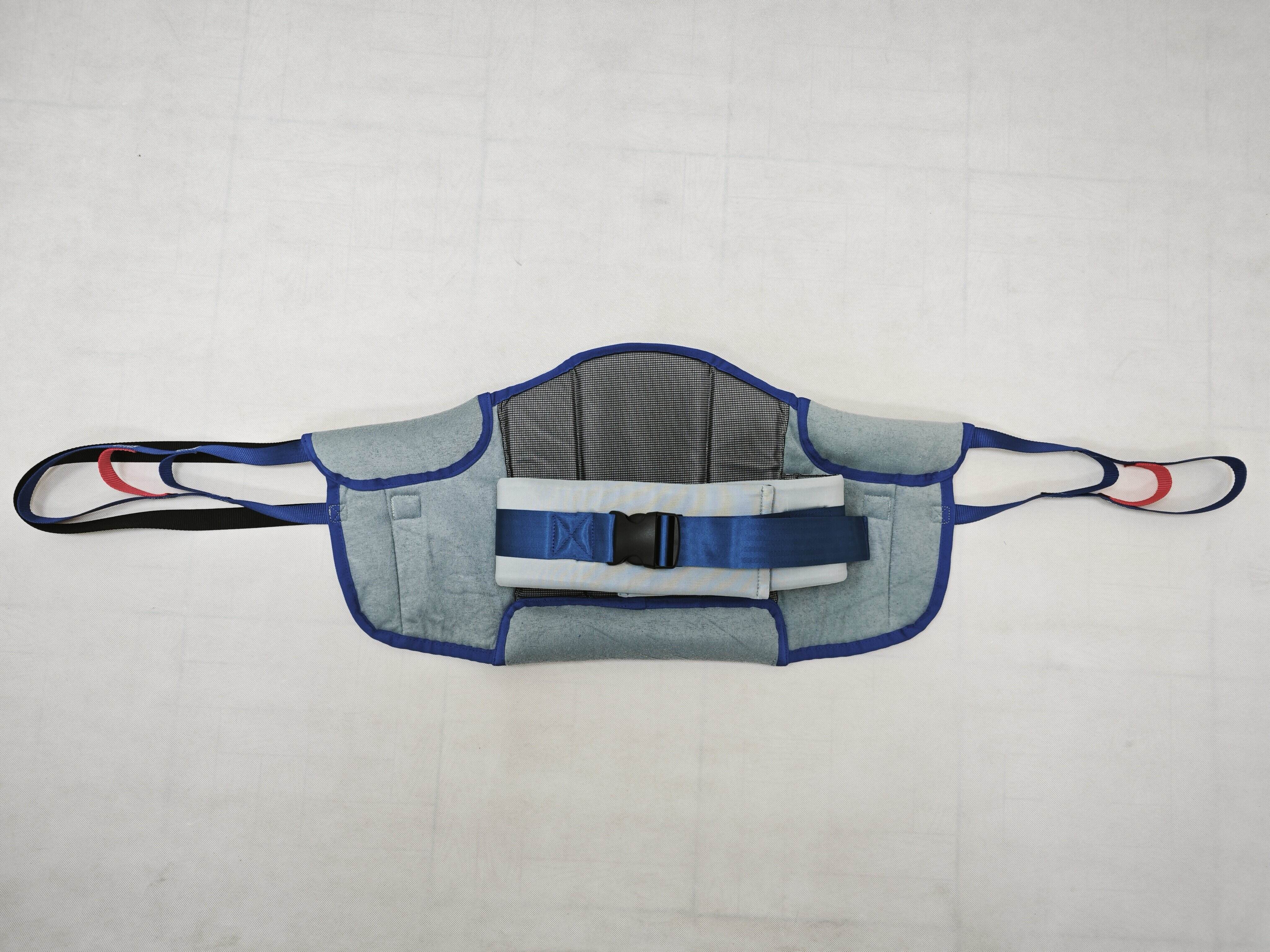
The Growing Need for Safe and Efficient Patient Mobility
Rising Challenges in Manual Patient Handling
About one third of all musculoskeletal injuries among caregivers come from manual patient transfers according to Ponemon's research last year. The old school approaches we still see in many facilities today really take a toll on staff members. Two person lifts and those slide boards? They just don't cut it anymore, particularly when dealing with larger patients who require extra care. As more people deal with long term health issues like arthritis and obesity continues to climb across populations worldwide, manufacturers have noticed something interesting happening in their sales numbers. The market for patient lifting gear should expand quite substantially over the next decade or so. Industry reports point out that nearly three quarters of hospitals are already making it a priority to invest in these kinds of assistive technologies simply because they want to keep their workers safe and avoid costly insurance claims down the road.
How Sit to Stand Slings Reduce Caregiver Injury Risk
When it comes to lifting patients, sit to stand slings actually spread about 40 percent more force throughout the body than traditional underarm methods do. This helps reduce pressure on the spine for those doing the lifting work. The design supports how our bodies naturally carry weight, which cuts down on sideways forces by as much as 58%, according to research from the Occupational Safety Institute back in 2024. Healthcare facilities that have adopted these slings are seeing real results too. Staff members miss work less often because of back problems now, with some places reporting around a 31% decrease in absences related to injury. Better body mechanics mean workers aren't tempted to use dangerous pulling motions anymore, making everyone safer overall.
Increasing Demand from Aging and Bariatric Populations
The numbers tell a story that can't be ignored: by 2030, nearly a quarter of people worldwide will be over 60 years old. At the same time, obesity rates have crossed the 40% mark in twelve developed countries already, which is pushing healthcare providers to find better ways to keep patients mobile safely. That's where sit to stand slings come into play. These devices can handle patients weighing as much as 550 pounds, filling critical safety gaps for those with higher body mass indexes. After all, these individuals make up almost 4 out of every 10 injuries during transfers. Look at nursing home budgets today and there's been an 18% increase year over year spent on mechanical assistance equipment. Facility managers are starting to see what makes sense here when dealing with increasingly complex patient care situations across their operations.
Enhancing Patient Dignity and Independence Through Supported Mobility
Modern healthcare emphasizes preserving autonomy alongside clinical outcomes. Sit to stand slings exemplify this balance, combining technical support with human-centered design—a critical advancement given that 40% of hospitalized older adults experience functional decline due to prolonged bed rest (JAMA Internal Medicine 2023).
The Shift Toward Patient-Centered Care Models
Rehabilitation now prioritizes patient agency through personalized mobility plans. Teams use decision frameworks that integrate clinical guidelines with individual goals, allowing patients to participate in transfer scheduling and equipment choices. This collaborative model reduces psychological resistance to assistance by 57% compared to traditional approaches (Journal of Patient Experience 2024).
Biomechanics of Sit to Stand Transfers and Early Mobilization Benefits
Properly fitted slings align with natural movement patterns by:
- Distributing 78% of body weight through the pelvis and thighs
- Maintaining center of gravity within the base of support
- Enabling progressive resistance adjustments
These advantages support partial weight-bearing transitions, with studies showing 38% better balance recovery during early rehabilitation (2024 Mobility Rehabilitation Report).
Case Study: Improved Outcomes in Stroke Recovery Units
A 150-bed neurological facility reduced unassisted transfer attempts by 62% after implementing sit to stand protocols. Patients achieved upright positioning 3.2 days sooner post-stroke, correlating with 23% shorter acute care stays. Notably, 89% of patients reported feeling “in control” during sessions, thanks to incremental goal-setting made possible by adjustable support systems.
Sit to Stand Slings vs. Traditional Transfer Methods: A Performance Comparison
Injury Rates Associated with Manual Lifting and Floor Lifts
The risk of musculoskeletal injuries for caregivers is about 3.4 times higher compared to other non-clinical workers who don't handle patients manually according to data from the Bureau of Labor Statistics back in 2023. Many traditional floor lifts force caregivers into uncomfortable positions that put extra pressure on their spines, which adds up to around $24.6 billion every year spent on treating these kinds of work related injuries across nursing home facilities nationwide. On the flip side though, research published last year in the journal Physical Therapy and Rehabilitation Medicine showed something promising. Facilities that switched to sit to stand slings saw a dramatic drop in lifting injuries among caregivers by roughly 72 percent simply because they allowed for better body mechanics during transfers.
Advantages in Force Distribution and Transfer Control
Sit to stand slings enhance safety by:
- Reducing lateral shear forces on hips and knees by 34% compared to pivot transfers
- Featuring adjustable chest supports to minimize fall risk during standing
- Incorporating real-time feedback to prevent abrupt movements
Biomechanical analysis shows these systems impose 59% less spinal compressive force on caregivers than manual lifts. For patients with limited core strength, the gradual transition from sitting to standing supports rehabilitation best practices while improving stability.
Barriers to Adoption Despite Proven Efficacy
Despite a 92% efficacy rate in reducing acute care transfer injuries (VA Hospital Study 2023), adoption faces three key challenges:
- Cost perception: 34% of facilities cite upfront costs, though ROI typically occurs within 12–18 months via reduced workers’ comp claims
- Training gaps: 41% of staff report insufficient instruction on sling angle adjustment and gait belt integration
- Workflow resistance: 28% revert to manual methods during staffing shortages
According to a 2023 National Association for Healthcare Quality survey, facilities overcoming these barriers achieved 19% higher staff retention and saved $8,100 annually per caregiver in injury-related costs.
Technological Innovations Advancing Sit to Stand Sling Systems
Smart Slings with Real-Time Weight-Bearing Feedback
The latest sit to stand slings come equipped with tiny built-in sensors that track how weight is distributed when someone moves from sitting to standing position. These sensors give warnings to care staff if there's uneven weight distribution which might cause someone to fall or get hurt during transfers. The handholds actually vibrate gently when someone needs to adjust their stance or grip properly. Behind the scenes, smart software looks at all this movement data and suggests better ways for caregivers to handle each person based on their unique needs. Early testing showed these systems cut down on bad lifting techniques by around 70 percent at several nursing homes last year.
Integration with Electric Hoist and IoT-Enabled Monitoring
The latest equipment comes with standard connectors for electric lifts and smart tech platforms, which together form what some call integrated mobility ecosystems. According to a recent report from Ergonomic Systems in 2024, these connected lifting devices actually save about 60 something percent on paperwork time because they automatically track things like how long transfers take, whether weights are balanced properly during moves, and what level of assistance was needed. The information then goes into electronic health records so medical staff can see exactly how patient movement relates to their healing progress over time.
Future Trends: Data-Driven Mobility Rehabilitation
Emerging research uses aggregated sensor data to build predictive models for post-surgical mobility recovery. Trials are exploring machine learning integration that tailors transfer protocols based on muscle activation and pain biomarkers—paving the way for precision rehabilitation strategies estimated to reduce hospital-acquired disability rates by 31–44%.
Evaluating the Cost-Benefit Value in Long-Term and Acute Care Settings
Impact of Rising Labor and Workers' Compensation Costs
Staffing consumes 52% of healthcare budgets (BLS 2025), with patient handling injury claims averaging $74,000 per incident (OSHA 2024). Sit to Stand Slings reduce labor demands by enabling single-caregiver transfers, cutting manual handling time by 18–34% in mobility protocol studies.
ROI from Reduced Staff Injuries and Absenteeism
Facilities using Sit to Stand Slings report 38% fewer musculoskeletal injuries than those relying on manual transfers (CDC 2024). This reduction corresponds to 21% less absenteeism and an average annual savings of $1.2 million in 300-bed hospitals due to lower turnover and retraining expenses.
Case Study: Financial and Operational Gains in a 200-Bed Nursing Home
A Midwestern skilled nursing facility implemented Sit to Stand Slings across rehabilitation units, achieving:
| Metric | Improvement | Timeframe |
|---|---|---|
| Staff injury claims | 41% ↓ | 12 months |
| Patient transfer time | 27% ↓ | 6 months |
| Rehab discharge rates | 19% ↑ | 18 months |
The initiative generated $326,000 in annual savings from reduced overtime and compensation claims, while also improving Medicare star ratings through faster patient mobilization.
FAQ Section
What are sit to stand slings and how do they help?
Sit to stand slings are assistive devices used to help caregivers lift and transfer patients safely. They spread the lifting force across the patient's body more evenly, reducing strain on the caregiver's spine and making the transfer process safer for both parties.
Why are sit to stand slings becoming popular?
The growing prevalence of obesity and an aging population has increased the demand for safer patient handling solutions. Sit to stand slings meet this need by reducing injury risks and enabling better movement for patients with higher body mass indexes or mobility issues.
What are the challenges in adopting sit to stand slings?
Some of the challenges include upfront costs, lack of sufficient training for staff, and resistance to changing workflows. However, overcoming these barriers can result in significant financial and operational benefits.
Table of Contents
- The Growing Need for Safe and Efficient Patient Mobility
- Enhancing Patient Dignity and Independence Through Supported Mobility
- Sit to Stand Slings vs. Traditional Transfer Methods: A Performance Comparison
- Technological Innovations Advancing Sit to Stand Sling Systems
- Evaluating the Cost-Benefit Value in Long-Term and Acute Care Settings
- FAQ Section