
 EN
EN


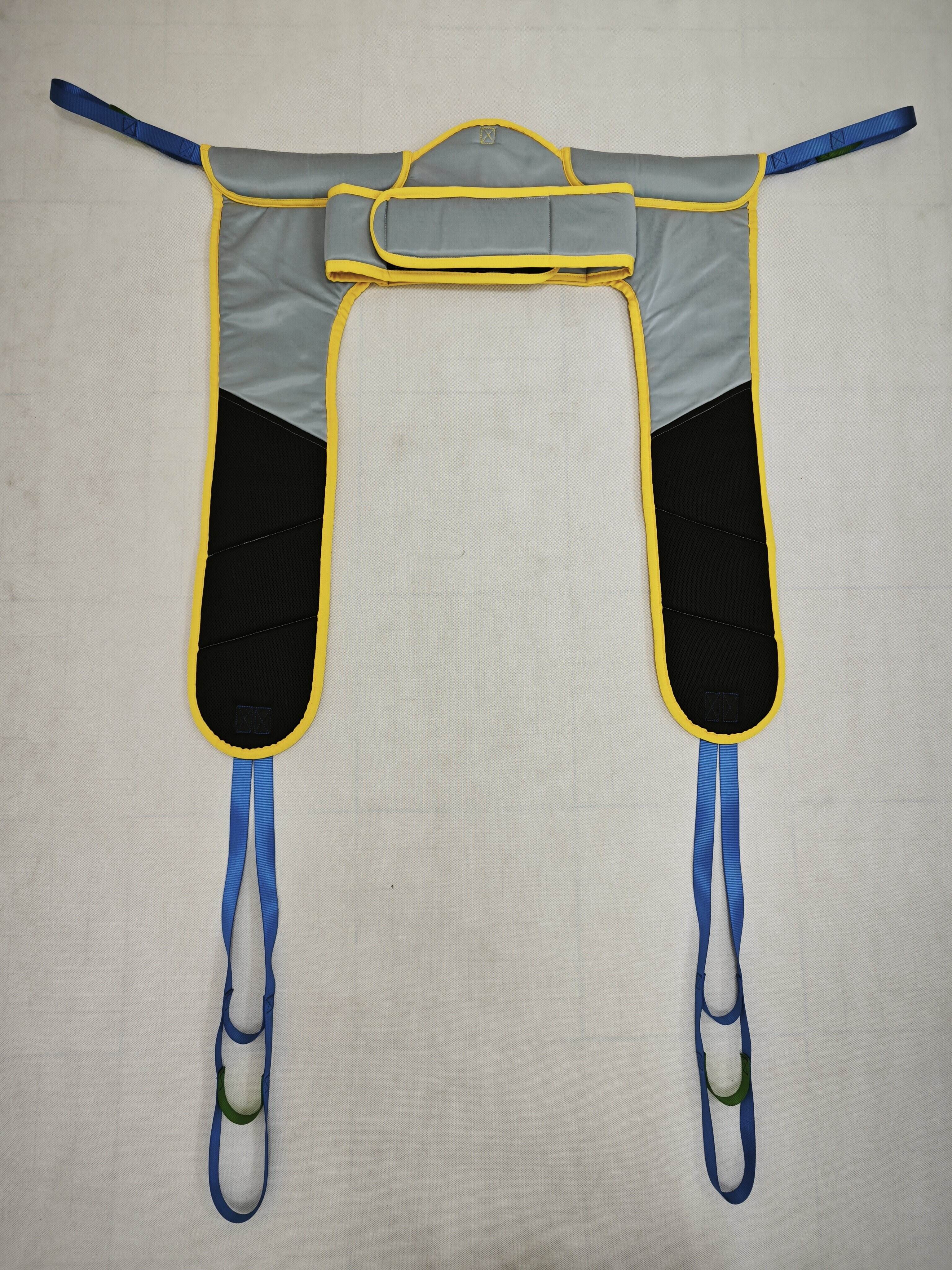
Exploring the Benefits of Using Toileting Slings for Patients
Understanding Toileting Slings: Design, Types, and Clinical Advantages
What Is a Toileting Sling? Defining the Basics
Toileting slings serve as important mobility tools when working with patient lift equipment, making it possible to move people safely between different surfaces such as beds, chairs, and bathroom facilities. Made from strong but pliable stuff like nylon or soft polyester fabric, these devices come with special cutouts so caregivers can tend to hygiene needs without taking the whole thing off every time. The way these slings spread out body weight helps prevent pressure points, and reduces rubbing during transfers. This means fewer injuries happen to both the person being moved and whoever is doing the lifting. Plus, maintaining some level of privacy makes all those bathroom visits a bit less embarrassing for everyone involved.
Key Features of Toileting Sling Use and Design
Toileting slings these days really help caregivers do their job faster while keeping patients safer. They come with those handy quick release buckles, adjustable leg straps that fit just right, plus breathable materials that wick away moisture. A lot of them also have special treatments that stop bacteria from growing on the fabric surface, which helps prevent infections spreading around. The waistbands are designed for comfort and there are color coded spots where things attach, making everything much easier to set up properly. According to some research published last year in the Mobility Safety Journal, this kind of design cuts down mistakes during setup by about one third when compared with regular old slings.
Types of Patient Lift Slings with Toileting Functionality
- Full-body slings: Offer head-to-knee support with central commode openings for complete hygiene access.
- Seated slings: Provide torso and thigh support ideal for bathing or toilet transfers, especially for patients with partial mobility.
- Hygiene-specific slings: Include removable panels or washable liners for rapid cleaning between uses.
The Role of the Oxford Range and Its Clinical Benefits
The Oxford Range is basically the next level in toileting sling tech. These slings come with special padding that helps distribute pressure better, all wrapped in fabric that can go through the washing machine and still breathe properly. According to recent studies from the 2023 Clinical Rehabilitation field, doctors have noticed around 28% fewer skin tears during transfers when their patients use these particular slings. Why? Because there's no annoying seams rubbing against skin and certain areas are designed to let air circulate where it matters most. What really stands out though is how flexible the design actually is. Bigger patients aren't left hanging either, nor are folks who need extra support due to posture issues. This adaptability makes the Oxford Range work well whether it's in a hospital setting or at home care situations.
Enhancing Patient Comfort, Dignity, and Skin Integrity During Transfers
Toileting slings play a pivotal role in preserving patient well-being during transfers by addressing three critical needs: physical comfort, emotional dignity, and skin health. These devices merge ergonomic engineering with clinical insight to transform routine care into safer, more respectful interactions.
Promoting Patient Comfort During Hoisting and Toileting
The padded shoulder straps work alongside breathable mesh areas and shaped leg supports to spread out the weight better so pressure doesn't build up when lifting someone. According to some research published in 2022 by Clinical Nursing Research, folks who used slings designed with these pressure relief features said they felt around 40 percent less uncomfortable compared to regular slings. The adjustable back support makes things even easier on the body, which matters a lot for people who don't move around much themselves. This kind of design thinking really helps both caregivers and those being helped stay comfortable throughout their day.
Maintaining Patient Dignity During Hygiene Care
Wrap-around leg closures and modesty panels minimize exposure during toileting tasks, enhancing privacy. In one survey, 78% of patients felt more at ease when using slings with full-body coverage (Patient Safety Journal, 2021). Combined with discreet adjustment mechanisms like quick-release buckles and color-coded connectors, these designs uphold dignity without compromising safety.
Hygiene-Friendly Sling Designs That Support Skin Integrity
Moisture-wicking fabrics and antimicrobial coatings help prevent bacterial growth in high-contact areas—critical given that 15% of healthcare-associated infections stem from contaminated equipment (CDC, 2023). Seamless construction reduces friction, while breathable materials limit moisture buildup, lowering the risk of skin breakdown.
Full Body Slings with Commode Openings: Balancing Support and Access
Reinforced commode openings provide secure perineal access without sacrificing trunk stability. Dual-layer fabric resists stretching or tearing with repeated use, and cross-strap configurations promote proper hip alignment. Clinicians note a 35% reduction in transfer-related incidents among bariatric patients using these slings.
Seated Slings for Toileting and Bathing: Practical Applications
Contoured seating surfaces with non-slip grips enable stable pivoting onto commodes or shower chairs. Waterproof variants dry 50% faster than traditional nylon slings, decreasing contamination risks in wet environments. Care teams find these slings improve efficiency during bathing by supporting partial weight-bearing transitions.
Ensuring Patient Safety Through Proper Sling Selection and Fit
Matching Weight Support to Patient Needs in Toileting Transfers
Getting the right toileting sling depends heavily on matching it to the correct weight capacity for safety reasons. When choosing equipment, caregivers need to look at several factors including what the person currently weighs, their overall body shape, plus any changes that might happen like swelling from fluids or special needs related to obesity management. Going beyond 10% of actual body weight puts things off balance and makes transfers risky. On the flip side, slings that are too small just don't hold up under stress and tend to tear when they shouldn't. Many newer models come equipped with adjustable panels that spread weight across different areas of the torso, which helps maintain proper support even when dealing with people who have unusual body shapes or proportions.
Proper Sizing and Fit of Toileting Slings for Optimal Security
Getting the right measurements matters a lot when it comes to making sure the sling fits properly. We're talking about things like thigh circumference, how wide someone's torso is, and their leg length. When these numbers are off, the equipment can shift around during lifting operations. Research published in 2023 found that people using ill-fitting slings had about a third higher chance of falling during transfers to the commode. Most manufacturers now include color coded charts to make size selection easier, along with adjustable straps that let caregivers tweak the fit until it feels just right. The padding placed strategically over bony areas helps protect against those painful skin tears caused by friction and pressure points.
Patient Safety and Risk Assessment Before Sling Use
Before putting any slings into action, doing a thorough risk assessment makes all the difference. Medical staff look at what movement problems exist, check for pressure sores already present, and consider things like whether the person tends to get agitated or restless. Fragile skin is actually pretty common among older adults, affecting about two thirds of them according to recent studies from the National Pressure Injury Advisory Panel in 2024. That's why slings designed with smooth edges and breathable mesh materials work better for these folks since they create less friction against sensitive areas. And don't forget something basic but important too: making sure the patient can actually stay somewhat upright when being moved around instead of completely flat on their back.
Physical and Cognitive Requirements for Safe Toileting Sling Use
For someone to stay safe and comfortable in a toileting sling, they generally need good control over their neck muscles and some ability to bend at the hips. People who have progressed further in dementia often do better with slings that include side support for the head plus soft, non-irritating materials that don't cause anxiety. When working with folks who have cognitive challenges, it helps to establish simple ways to communicate what's happening next. Some caregivers find that speaking clearly while gently touching the person works wonders for getting cooperation when adjusting positions. If there are any signs of discomfort or problems with how the body aligns in the sling, these observations matter a lot for picking the right equipment down the road.
Improving Caregiver Safety, Efficiency, and Infection Control
Reducing Physical Strain with Ergonomic Toileting Slings
Ergonomically designed toileting slings significantly reduce musculoskeletal strain for caregivers. Research indicates proper use lowers physical stress by up to 58% compared to manual lifting (Dixit 2024). Padded handles, weight-distributing straps, and posture-supportive attachment points align with occupational safety standards in healthcare.
Ease of Use for Caregivers: Streamlining Transfers
Intuitive features shorten transfer times by 30–45 seconds per session, including:
- Quick-release buckles for rapid repositioning
- Color-coded attachment points to prevent misalignment
- Lightweight materials (under 2 lbs) that simplify handling
These innovations enhance workflow efficiency while reducing caregiver fatigue.
Safety Features in Toileting Slings That Protect Care Teams
Reinforced stitching–tested to withstand over 1,000 lbs–and anti-slip surfaces ensure stability during vertical lifts. Emergency release mechanisms allow single-handed operation if urgent repositioning is needed, addressing 19% of near-miss incidents reported in nursing homes (Healthcare Safety Journal 2023).
Infection Control and Cross-Contamination Prevention Strategies
Hygiene-focused sling designs reduce pathogen transmission by 30–40% through:
- Antimicrobial coatings effective against MRSA and C. diff
- Seamless surfaces that eliminate crevices for bacterial harborage
- Compatibility with hospital-grade disinfectants
Materials and Cleanability of Hygiene-Friendly Sling Designs
High-performance toileting slings use moisture-wicking polyester blends engineered to endure more than 500 industrial wash cycles without degradation. A 2023 study found facilities using these materials had 67% lower cross-contamination rates during commode transfers compared to cotton-based alternatives (Infection Control Today).
FAQ
What is the primary function of a toileting sling?
A toileting sling primarily facilitates safe and efficient transfers of patients between different surfaces like beds and bathroom facilities, while ensuring hygiene maintenance during such transfers.
How do toileting slings improve patient safety during transfers?
Toileting slings improve patient safety by distributing body weight evenly, minimizing pressure points, and reducing friction against the skin. They enhance comfort and ensure proper support during movement.
What are the key features to look for in a toileting sling?
Key features include quick release buckles, adjustable leg straps, breathable material, antimicrobial coatings, and comfortable waistbands with color-coded attachment points.
How do you ensure a proper fit and size for toileting slings?
Ensuring a proper fit involves considering thigh circumference, torso width, and leg length. Adjustable straps and color-coded charts can assist in achieving optimal fit before use.
What specific benefits do the Oxford Range slings offer?
The Oxford Range slings offer enhanced pressure distribution, seamless construction to reduce skin tears, and flexible design for diverse body types and posture needs in clinical settings.
Table of Contents
- Exploring the Benefits of Using Toileting Slings for Patients
- Enhancing Patient Comfort, Dignity, and Skin Integrity During Transfers
- Promoting Patient Comfort During Hoisting and Toileting
- Maintaining Patient Dignity During Hygiene Care
- Hygiene-Friendly Sling Designs That Support Skin Integrity
- Full Body Slings with Commode Openings: Balancing Support and Access
- Seated Slings for Toileting and Bathing: Practical Applications
- Ensuring Patient Safety Through Proper Sling Selection and Fit
- Improving Caregiver Safety, Efficiency, and Infection Control
- FAQ