
 EN
EN


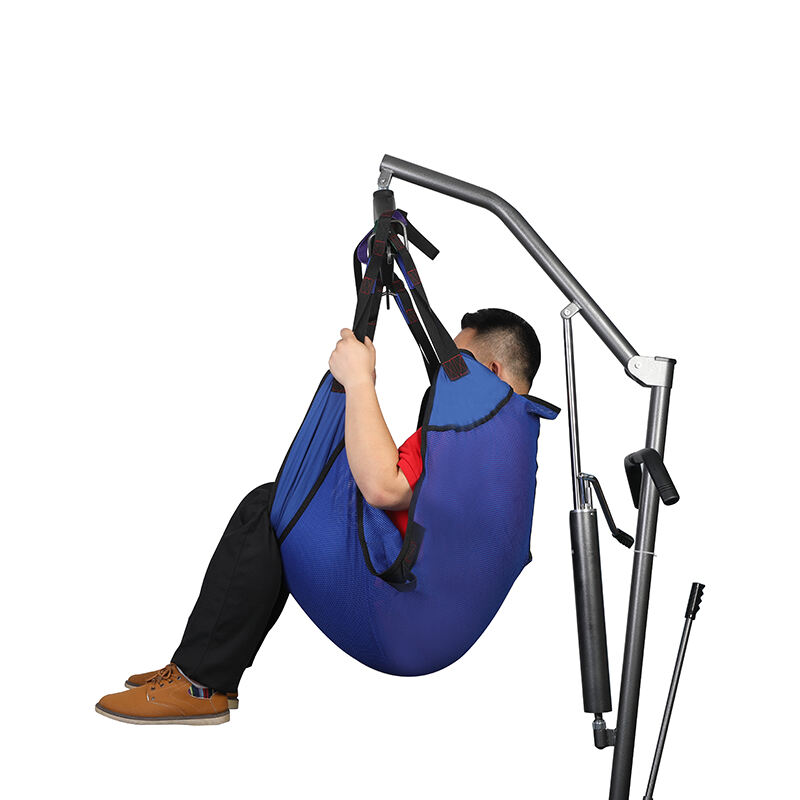
Understanding Transfer Sling Fundamentals
Types of Transfer Slings: Patient Lift Sling Variations
When it comes to patient lift slings, the diversity in types is remarkable and plays a critical role in patient handling and care. There are several types of slings, including full-body slings, toileting slings, and seated slings. Each type serves distinct functions and offers unique advantages. Full-body slings are typically used for patients requiring complete support during transfers, providing exceptional comfort and security. Toileting slings offer easy access for hygiene tasks, making them ideal for toileting purposes. Meanwhile, seated slings are perfect for lifting patients from or onto chairs and wheelchairs, enhancing convenience for caregivers during transfer. Their usage also greatly reduces caregiver strain, minimizing the risk of injuries among healthcare workers. This reduction in strain is supported by statistics emphasizing the importance of appropriate sling usage for both patient and caregiver safety. According to recent studies, the use of varied sling types has shown significant improvements in reducing caregiver injuries, underscoring their importance in healthcare settings.
Heel Pads vs. Heel Cushions: Complementary Safety Features
Heel pads and heel cushions are essential safety features that enhance patient safety during transfers. While they serve similar safety functions, their differences lie in design, materials, and specific applications. Heel pads are typically designed with therapeutic materials, offering pressure relief and support during transfers, particularly useful for patients with limited mobility. On the other hand, heel cushions provide comfort by absorbing shock and enhancing foot stability. Expert recommendations emphasize the importance of proper foot support in preventing falls or injuries during transfers. A study published in the Journal of Clinical Biomechanics highlights how adequate heel support can significantly reduce the risk of falls, offering crucial insights for patient care settings. Understanding the complementary roles of heel pads and cushions helps caregivers provide optimal safety and comfort to patients during the transfer process.
Key Factors in Selecting a Transfer Sling
Assessing Patient Mobility and Transfer Requirements
Selecting the appropriate transfer sling begins with a comprehensive assessment of a patient's mobility and specific transfer needs. This evaluation typically involves examining the patient's ability to bear weight, their range of motion, balance, and any unique medical conditions that may affect transfers. For instance, guidelines from health organizations often suggest using standardized tools and assessments to determine a patient's mobility level and customize sling selection accordingly. For patients with limited mobility, a full-body sling might be beneficial, whereas those with some weight-bearing capability may find a standing sling more appropriate. These assessments help ensure the appropriate equipment is selected to promote safety and comfort for both patients and caregivers.
Weight Capacity and Body Measurement Protocols
Understanding weight capacity limits is vital when selecting a transfer sling to prevent injuries and ensure effective use. Each sling type has a defined weight capacity, which must match or exceed the patient's weight to function safely. Alongside weight limits, accurate body measurements are crucial in choosing the right sling size. Proper sizing enhances comfort and reduces the risk of pressure sores or improper support. By following these protocols and using manufacturer sizing charts, caregivers can minimize injury risks associated with incorrect sizing. Available data underscores the importance of adhering to these guidelines, revealing that exceeding weight limits significantly increases accident and injury rates, which can be mitigated by using accurately sized slings.
Toileting Sling Considerations for Hygiene Transfers
Toileting slings are uniquely designed to support hygiene transfers, offering ease of access for personal care. These slings typically feature a large opening that allows for straightforward use with toilets or commodes, making them indispensable in maintaining patient dignity and comfort. They emphasize accessibility, enabling quick and uncomplicated application and removal, which assists caregivers in maintaining high standards of care during transfers. Best practices for using toileting slings include regular sling inspections and training on proper positioning to ensure safety and functionality. By focusing on these considerations, we can enhance the quality and effectiveness of hygiene transfers, benefiting both patients and caregivers alike.
Ensuring Safety with Proper Sling Usage
Connection Point Security and Load Testing
Ensuring secure connection points in transfer slings is essential to prevent accidents during patient transfers. Proper connection point security involves regular checking of the sling's clips and loops to guarantee they are intact and correctly fastened. Load testing protocols are crucial as they verify a sling's capacity to handle the intended weight without failure. Load testing should be conducted frequently, using standardized methods to ensure compliance with safety standards. Statistics show that incidents often occur due to improper connections; thus, regular load testing significantly reduces the risk of accidents.
Preventing Skin Damage Through Positioning Techniques
Positioning techniques play a critical role in minimizing skin damage during sling-aided transfers. Incorrect sling placement or prolonged pressure can lead to common injuries like pressure sores and skin tears. By employing best practices, such as adjusting the sling to distribute weight evenly and positioning the patient to avoid pressure points, we can prevent these injuries. Insights from healthcare professionals stress the importance of training caregivers in positioning techniques to enhance patient safety and comfort. Preventing skin damage is vital, making proper positioning techniques indispensable for patient care.
Maintenance and Compliance for Long-Term Safety
Inspection Protocols for Sling Integrity
The integrity of transfer slings is crucial for ensuring patient safety and effective transfers. Regular inspection protocols should be established, focusing on detecting potential wear and tear that could compromise sling integrity. Start by scheduling routine checks, ideally before each use or at least on a weekly basis. During inspections, look for signs such as fraying edges, thinning fabric, loose stitching, or any hardware damage that could pose a risk during patient transfers. Complying with standards like those set by the Occupational Safety and Health Administration (OSHA), which emphasize the importance of equipment maintenance, aids in maintaining high safety levels. Following these guidelines ensures the longevity and reliability of slings, ultimately contributing to a safer healthcare environment.
Laundering Guidelines for Infection Control
Proper laundering of transfer slings is essential to prevent infection and maintain hygiene in healthcare settings. This process involves following specific guidelines that not only clean but also preserve the quality of the slings. Experts recommend washing slings at high temperatures using mild detergents and avoiding bleach, which can degrade materials. Regular laundering should coincide with sling usage frequency, especially in environments with heightened infection risks. Ensuring cleanliness in areas utilizing transfer slings is a cornerstone of patient safety, as emphasized by healthcare professionals. Clean slings reduce the likelihood of cross-contamination and protect vulnerable patients, thereby enhancing overall care quality. By adhering to these laundering protocols, facilities can uphold stringent infection control standards, safeguarding both patients and healthcare providers.