
 EN
EN


Reducing Physical Strain on Caregivers
Biomechanical Advantages of Patient Lift Slings
Patient lift slings are designed to distribute a patient's weight evenly, alleviating pressure on caregivers' backs and shoulders. This distribution is key in reducing strain, as caregivers are spared from bearing the full weight of patients during transfers. According to studies, caregivers utilizing lift slings experience a significant decrease in musculoskeletal load compared to manual handling methods. The concept of ergonomics is central to these devices, which are created following guidelines that promote safer lifting practices. Ergonomic lift systems help reduce strain by aligning body movements with natural postures and minimizing repetitive stress.
Minimizing Back Injuries During Transfers
Back injuries among caregivers are a prevalent issue, often resulting from manual patient transfers. Statistics indicate that a significant portion of these injuries—up to 50%—are attributed to improper lifting techniques. When using patient lift slings, caregivers benefit from maintaining a more natural posture during transfers, thus reducing strain on the spine and minimizing the risk of injury. Testimonials from healthcare facilities implementing patient lift systems applaud the remarkable drop in injury rates. These slings play an essential role in safe patient handling, as they significantly cut down the physical strain involved in transfers.
Comparison: Manual Lifting vs Sling-Assisted Transfers
When comparing manual lifting with sling-assisted transfers, the advantages of using patient lift slings become apparent. Sling-assisted transfers are less time-consuming, require less energy, and offer greater safety than manual methods. Studies show a notable reduction in fatigue and injury risk among caregivers using sling systems. In the long term, caregivers who regularly utilize these slings enjoy improved physical health and fewer musculoskeletal issues. By presenting patient lift slings as user-friendly and efficient tools, caregivers can ensure safer and more sustainable working conditions, promoting their well-being while providing high-quality care.
Streamlining Patient Repositioning Routines
Patient lift slings can revolutionize patient repositioning routines, especially in environments such as hospitals or nursing homes. By facilitating quicker repositioning, these slings significantly reduce the time required compared to traditional manual methods. For instance, care facilities report saving substantial time per transfer, allowing caregivers to attend to more patients efficiently. Streamlined transfers not only enhance workflow and productivity for caregiving staff but also improve patient comfort, as the process becomes less disruptive and more controlled. This time-saving aspect is crucial in high-demand settings where efficiency directly impacts the quality of care.
Efficient Bathing and Toileting with Specialized Slings
Specialized slings offer caregivers a practical solution for routine bathing and toileting tasks, simplifying these activities significantly. These slings, designed specifically for personal hygiene, feature materials that resist water and provide easy access, ensuring safety and efficiency during vulnerable moments. Different types, such as toileting slings and bathing slings, are tailored with user-friendly attributes like quick-release buckles and supportive harnesses. Feedback from caregivers consistently highlights the enhanced safety and convenience these slings bring to personal care routines, underscoring their importance in maintaining patient dignity and comfort.
Reducing Setup Time for Sit-to-Stand Transitions
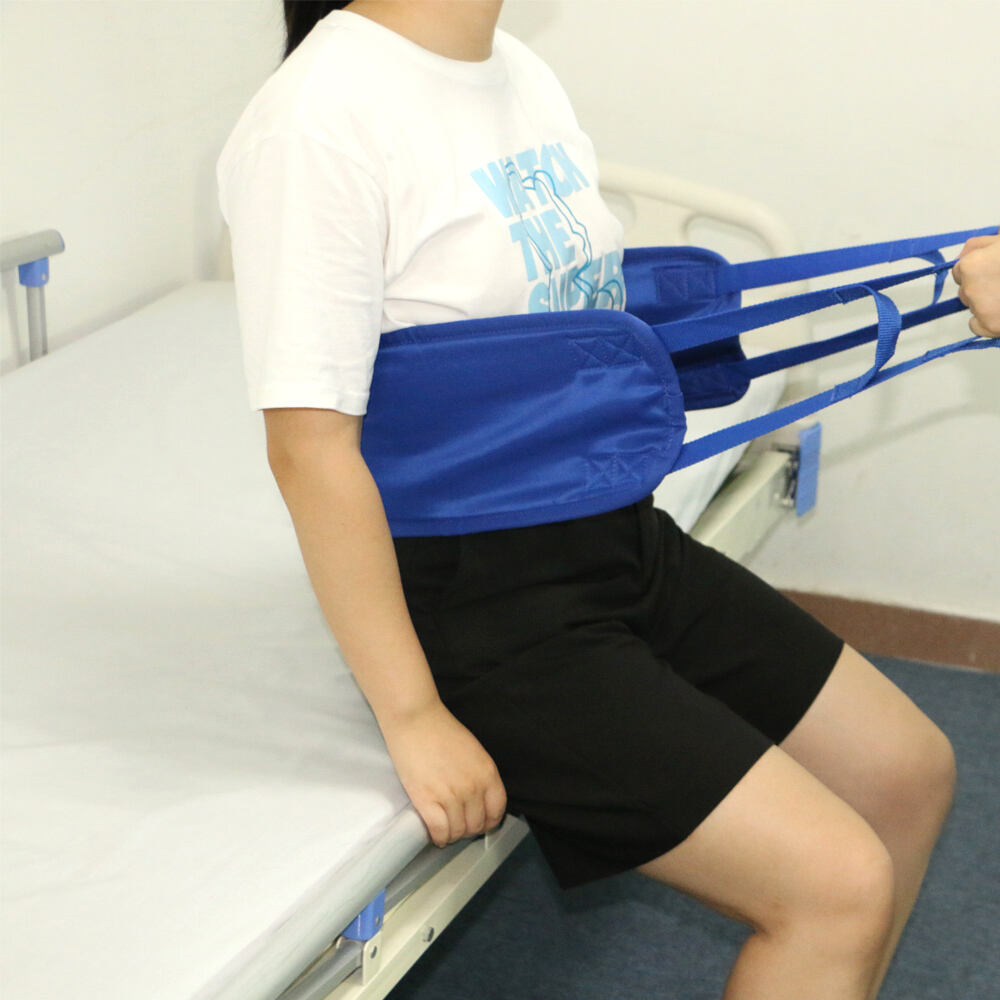
The sit-to-stand transition, a frequent necessity in caregiving settings, involves several critical steps, each demanding precision and time. Patient lift slings designed for sit-to-stand transitions drastically reduce setup time, streamlining the entire process. Various healthcare organizations have successfully implemented sling systems, noting improvements in speed and reduction of caregiver strain. These slings not only expedite the transition but significantly impact patient comfort and dignity by ensuring safe and smooth movements. As a result, both caregivers and patients benefit from a more swift, respectful, and efficient transition process.
Enhancing Safety for Patients and Caregivers
Preventing Falls During Transfers
Patient lift slings are instrumental in preventing falls during transfers, a crucial aspect of patient safety. These devices stabilize patients and ease the transition from one area to another, whether within hospitals or nursing homes. This fall prevention is supported by studies such as one published in the Journal of Safety Research, which noted a significant reduction in fall-related injuries when slings were utilized. Expert recommendations often emphasize using slings for safe transfers, advocating for their integration into standard care practices. By securing patients during transfers, slings not only enhance safety but also provide peace of mind for caregivers.
Proper Weight Distribution Techniques
Effective weight distribution during transfers is essential, and patient lift slings facilitate this by requiring proper positioning of both the caregiver and patient. Correct techniques help in distributing weight evenly, reducing strain on caregivers and increasing comfort for patients. Visual aids such as diagrams are invaluable here, illustrating the best practices for varying types of transfers. Healthcare guidelines, including those from the Occupational Safety and Health Administration (OSHA), underscore the importance of proper weight distribution and offer standards for safe lifting practices. This methodical approach ensures both safety and efficiency during transfers.
Securing Bariatric Patients Effectively
When managing bariatric patients, choosing the right sling is paramount. These slings are designed to safely accommodate patients of larger sizes, offering features such as reinforced fabrics and broader bases. Research by the National Institutes of Health highlights the rise in obesity rates and the accompanying challenges in patient care, underscoring the necessity for specialized lift solutions. Training for caregivers is essential to safely manage bariatric transfers, with many facilities providing dedicated programs to educate staff on using these slings effectively. Ultimately, securing bariatric patients with the right equipment is vital for both their safety and dignity during transfers.
Optimal Sling Selection for Efficiency
Matching Sling Types to Mobility Levels
Choosing the right type of patient lift sling is crucial for effectively accommodating various patient mobility levels. Different slings cater to unique needs: for example, a full-body sling provides extensive support for patients with limited mobility, while a transfer sling is suitable for those who can maintain some balance. Conducting a personalized assessment ensures that each patient receives a sling tailored to their specific requirements, enhancing both safety and comfort. Healthcare providers emphasize that understanding these nuances leads to better patient care and more efficient transfers.
Hammock vs Universal Transfer Slings
When comparing hammock and universal transfer slings, several factors come into play. Hammock slings are renowned for their high comfort levels, as they envelop the body, providing comprehensive support. These are ideal for patients who require a stable and secure transfer. In contrast, universal slings are versatile and can accommodate a broader range of transfer tasks, making them preferred in diverse situations. Data from healthcare facilities indicate a balanced usage of both types, with experts noting that the choice often depends on patient comfort preferences and specific transfer needs.
Material Considerations: Breathability and Durability
The material of a patient lift sling significantly impacts its functionality, particularly concerning breathability, durability, and maintenance. Breathable materials, such as mesh, are beneficial for patients who use the sling for extended periods, helping to prevent skin irritation. Durability is equally important, as high-quality materials ensure safety and prolong the sling's lifespan. Manufacturer guidelines often highlight materials that are both robust and easy to clean, suggesting regular maintenance to retain their integrity. Adopting these practices not only maximizes the sling's effectiveness but also contributes to safer patient transfers.
Table of Contents
- Reducing Physical Strain on Caregivers
- Biomechanical Advantages of Patient Lift Slings
- Minimizing Back Injuries During Transfers
- Comparison: Manual Lifting vs Sling-Assisted Transfers
- Streamlining Patient Repositioning Routines
- Efficient Bathing and Toileting with Specialized Slings
- Reducing Setup Time for Sit-to-Stand Transitions
- Enhancing Safety for Patients and Caregivers
- Preventing Falls During Transfers
- Proper Weight Distribution Techniques
- Securing Bariatric Patients Effectively
- Optimal Sling Selection for Efficiency
- Matching Sling Types to Mobility Levels
- Hammock vs Universal Transfer Slings
- Material Considerations: Breathability and Durability