
 EN
EN


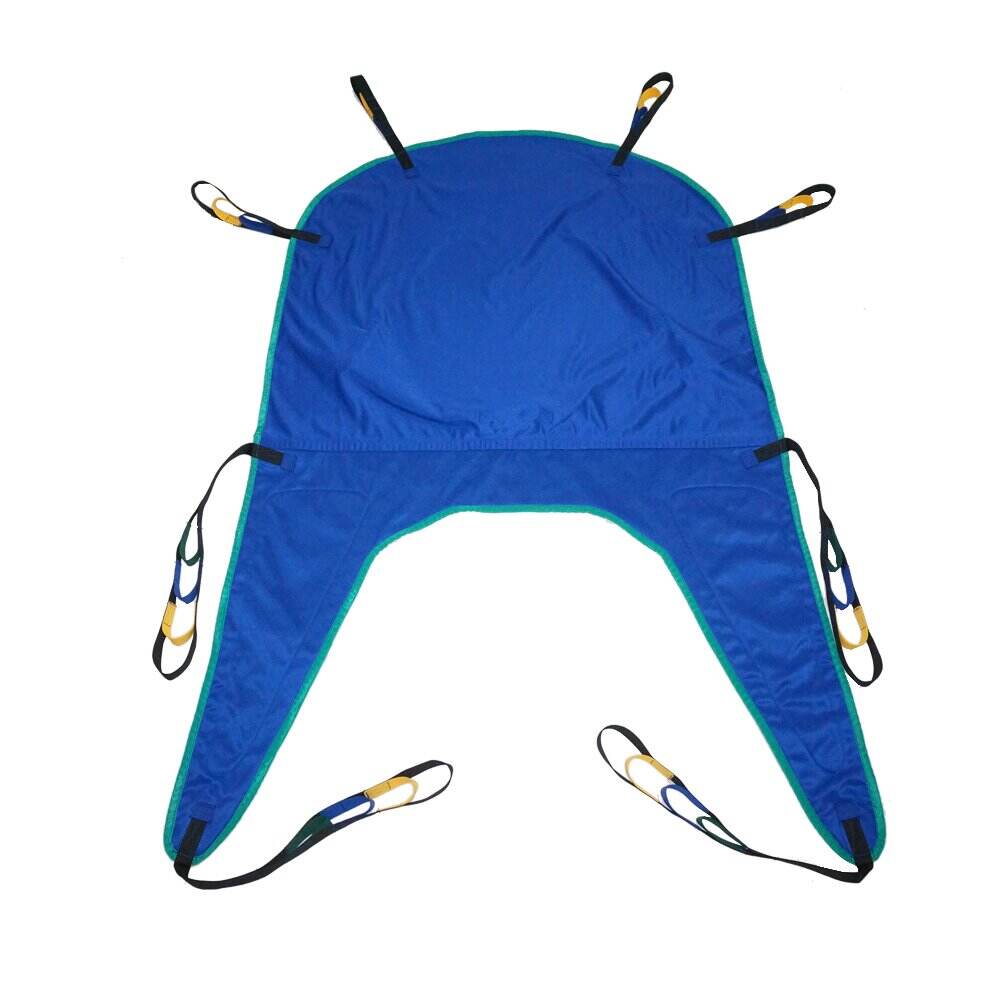
The Role of Transfer Slings in Safe Bed-to-Chair Transfers
Understanding the Need for Safe Patient Mobility
Manual patient transfers account for 35% of caregiver musculoskeletal injuries annually (OSHA 2023), highlighting the critical importance of transfer slings in high-risk bed-to-chair scenarios. Patients with limited mobility or conditions like Parkinson’s require secure support to prevent falls, while caregivers need ergonomic tools to reduce strain during repetitive tasks.
How Transfer Slings Reduce Injury Risk During Bed-to-Chair Transfers
When it comes to moving patients sideways, full body slings spread the load out over strong polyester and nylon webbing material. This helps cut down those harmful shear forces on sensitive skin areas by around 60 percent when compared to trying to lift someone manually according to research published in Wound Care Journal last year. The design keeps torsos stable while being moved around, which means fewer injuries happen to both people needing help and their caretakers too. For folks who struggle with keeping their upper bodies upright, there are high back versions made with breathable mesh fabric that really makes a difference. These special models prevent sliding around so much during transfers, something that can be a real problem for anyone with weak core muscles or spinal issues.
Key Safety Standards in Patient Transfer Equipment
Regulatory standards such as ISO 10535 and FDA 21 CFR 890.5480 require load testing up to 1,000 lbs for bariatric slings and specify stitch-per-inch thresholds to ensure structural integrity. Third-party certifications verify flame resistance, antibacterial properties, and compatibility with major overhead lift systems—essential for facilities managing diverse patient needs.
Evaluating Material Durability and Construction of Transfer Slings
Modern healthcare environments demand transfer slings that withstand rigorous daily use while maintaining safety. With clinical facilities replacing 30% of slings annually due to material degradation (2024 Clinical Equipment Report), evaluating durability is vital for cost-effective care delivery.
Common Fabric Types Used in Durable Transfer Slings
Clinical environments often go for high performance polyester because it packs serious strength without adding much weight, plus it stands up pretty well against all sorts of chemicals. When elasticity matters or when something needs to handle changing loads, nylon tends to be the material of choice. We’re also seeing more of these fancy composite materials like polyethylene laminates making their way into bariatric care situations lately. The mesh versions that let air through? They actually cut down on skin irritation problems during long patient transfers. Some studies from last year showed around a 42% improvement over regular solid fabrics, though results can vary depending on specific conditions and how things are applied in practice.
Resistance to Wear, Moisture, and Repeated Sanitization
For healthcare grade slings, they need to survive around 200 industrial washes at 160 degrees Fahrenheit before showing much wear on their tensile strength. This has been tested using accelerated methods that simulate real world conditions. When it comes to materials, polyester holds up really well too. After being exposed to bleach 50 times, it keeps about 95% of what it started with. Nylon isn’t doing so great by comparison though, only keeping around 78% of its initial strength after similar treatment. The antimicrobial stuff applied to these products stays active through more than 75 cleanings, which makes them pretty good for places where infection control matters most like rehab centers and nursing homes where patients stay longer term.
Polyester vs. Nylon: Longevity and Load-Bearing Performance
Nylon starts off stronger with about 15% better tensile strength than polyester, but when it comes to lasting power in damp conditions like those encountered during bath time or toileting assistance, polyester really shines because it resists breaking down from moisture. Real world testing shows that after being used every day for 18 months straight, polyester slings still hold around 90% of what they could originally carry, whereas nylon drops down to just 67%. On the flip side though, nylon does have something going for it too. Its ability to bounce back makes lifting tasks easier for caregivers by cutting down on the effort needed sometimes by as much as 22 pounds. This matters quite a bit when helping someone who needs fine tuning adjustments while moving them from one place to another.
Durable Transfer Slings: Ideal for Patient Bed-to-Chair Moves
Matching Transfer Sling Type and Size to Patient Needs
Assessing Patient Mobility Level and Support Requirements
Clinicians should evaluate four key factors when selecting transfer slings: weight-bearing ability, trunk stability, skin integrity, and transfer frequency. Tools like the Mobility Assessment Scale help classify patients into three support tiers:
- Full dependency (full-body slings with head support)
- Partial weight-bearing (u-slings with adjustable pelvic straps)
- Standing assist (walking slings with gait belts)
Proper classification reduces caregiver injuries by 34% and patient skin tears by 29% (2023 Johns Hopkins study).
Sizing Guidelines: Standard, Bariatric, and Pediatric Applications
| Category | Key Measurement | Safety Margin | Common Errors |
|---|---|---|---|
| Bariatric | Axillary width | +4" | Shoulder strap over-tightening |
| Pediatric | Calf circumference | +2" | Using adult slings for 50 lb children |
| Standard | Trochanter height | +3" | Misaligned leg straps |
A 2022 audit found that 70% of sling-related falls occur when equipment exceeds five years of service or shows signs of material fatigue, underscoring the importance of proactive replacement.
Full-Body, Standing, and Toileting Slings: Best Use Cases for Bed-to-Chair Transfers
Slings designed for toileting that feature quick release buckles in the middle can get patients cleaned up in just around two minutes without needing complete repositioning. This is really helpful for folks dealing with issues like bowel incontinence or those recovering from hip surgery who have movement limitations. When it comes to standing slings, research shows they boost how much patients actually participate in their own care during stroke recovery. One study found participation rates jumped 81% compared to traditional methods where caregivers do all the work. For people with spinal injuries, full body slings are still a must have piece of equipment. These slings cut down on harmful pressure points by about 93% when paired with wheelchairs that can be tilted forward. That makes a big difference in preventing skin breakdown and other complications over time.
Attachment Systems and Compatibility with Lift Devices
Hook-and-Loop vs. Clip-Style Fasteners: Safety and Efficiency Compared
Hook-and-loop systems allow rapid tension adjustments and detachments in 5–7 seconds, streamlining workflow. Clip-style fasteners offer 15% greater load security for patients over 300 lbs (ISO 10535:2022), though they take longer—12–15 seconds—to connect. Hybrid designs now combine reinforced Velcro® straps with quick-release buckles to balance speed and stability.
Ensuring Universal Compatibility Across Transfer Lift Systems
When it comes to lifting equipment, standardized loop placements along with those universal sling bars mean around 90 percent of slings actually work with most major lift brands out there. But wait there's a catch. Sometimes the spacing between hydraulic lift arms varies enough that alignment problems pop up roughly once every twenty times someone tries to use them. What should folks do? Well first off check if the loop diameter really fits the shape of the hook properly. Second, don’t forget those monthly weight bearing tests nobody likes but are necessary. And third, remember to replace those anchor points after about 500 usage cycles. Speaking of standards, the new 2023 ANSI AAMI EC53 rules require manufacturers to keep their critical parts within plus or minus 2 millimeters tolerance. This has helped cut down on compatibility issues by nearly half compared to back in 2020 when these tighter specs weren’t in place yet.
Modular Integration Trends and the Debate Over Proprietary Interfaces
Most rehab centers these days go for modular setups, but proprietary interfaces from big name manufacturers really get in the way when trying to mix different platforms together. There’s this new thing called the OpenLift adapter kit that seems promising. Early tests show it works across systems about 98% of the time, which is pretty impressive. Still, there are some real world issues people worry about. The extra weight adds between half a pound to seven tenths of a pound, not huge but noticeable. And getting proper certifications takes time and money too. According to NFPA standards, anyone adding their own connectors needs independent testing first. This helps avoid those nasty accidents where weights shift improperly during lifts, something no one wants happening in a therapy session.
Best Practices for Selecting and Maintaining Durable Transfer Slings
Patient transfers between beds and chairs require equipment that balances safety, durability, and clinical efficiency. Implementing standardized protocols reduces caregiver strain, extends sling lifespan, and supports compliance with Joint Commission safety standards.
Key Selection Criteria: Weight Capacity, Comfort, and Clinical Workflow
When picking out slings, go for ones rated higher than what patients actually need. Think 500 pounds for someone who weighs around 350. This gives room for unexpected changes during transfers. The padding matters too. Mesh materials help keep skin from getting sore, especially during longer moves. Quick release buckles save time when setting everything up, cutting those precious seconds down somewhere between 15 to maybe even 30 per transfer. And don’t overlook color coding on sizes either. Most facilities have these matching their lift equipment already. Nurses report something like a quarter less interruption in their workflow when using these systems, which makes sense given how much smoother things run overall.
Routine Inspection and Maintenance to Ensure Long-Term Reliability
Conduct monthly inspections for fraying, discoloration (a sign of chemical degradation), and stretched attachment points. Replace slings showing any of these defects immediately. Facilities using daily wipe-downs and biweekly deep cleans extend sling lifespan by 40% compared to reactive maintenance (2023 equipment durability benchmarks).
Data Insight: 70% of Transfer Incidents Linked to Mismatched Sling Capacity
A 2024 analysis of 1,200 mobility-related incidents identified improper sizing as the leading preventable cause of falls and sling failures. For bariatric patients, slings rated ≥300 lbs were involved in 81% of reported incidents, emphasizing the need for capacity buffers. Institutions that adopted pre-transfer verification checklists reduced these errors by 62% within six months.
FAQ Section
What are transfer slings used for?
Transfer slings are used to assist in the safe movement of patients between locations, such as from a bed to a chair, while reducing the risk of injury to both patients and caregivers.
Why is material choice important in transfer slings?
The material choice affects the sling's durability, comfort, and ability to withstand repeated use and sanitization. Different materials like polyester and nylon offer various benefits and drawbacks in terms of strength and longevity.
How often should transfer slings be replaced?
Transfer slings should be replaced if showing signs of wear, fraying, or material degradation. Facilities should also adhere to recommendations such as annual inspections and maintenance protocols to ensure long-term reliability.
What are the safety standards for transfer slings?
Safety standards such as ISO 10535 and FDA 21 CFR 890.5480 include load testing and structural integrity requirements. These standards ensure that slings can safely support patients during transfers.
How do you ensure compatibility between slings and lift systems?
Compatibility is usually ensured through standardized loop placements and universal sling bars. It’s essential to conduct regular checks and ensure the sling fits properly with the lift device to prevent issues during transfers.
Table of Contents
- The Role of Transfer Slings in Safe Bed-to-Chair Transfers
- Evaluating Material Durability and Construction of Transfer Slings
- Durable Transfer Slings: Ideal for Patient Bed-to-Chair Moves
- Matching Transfer Sling Type and Size to Patient Needs
- Attachment Systems and Compatibility with Lift Devices
- Best Practices for Selecting and Maintaining Durable Transfer Slings
- FAQ Section