
 EN
EN


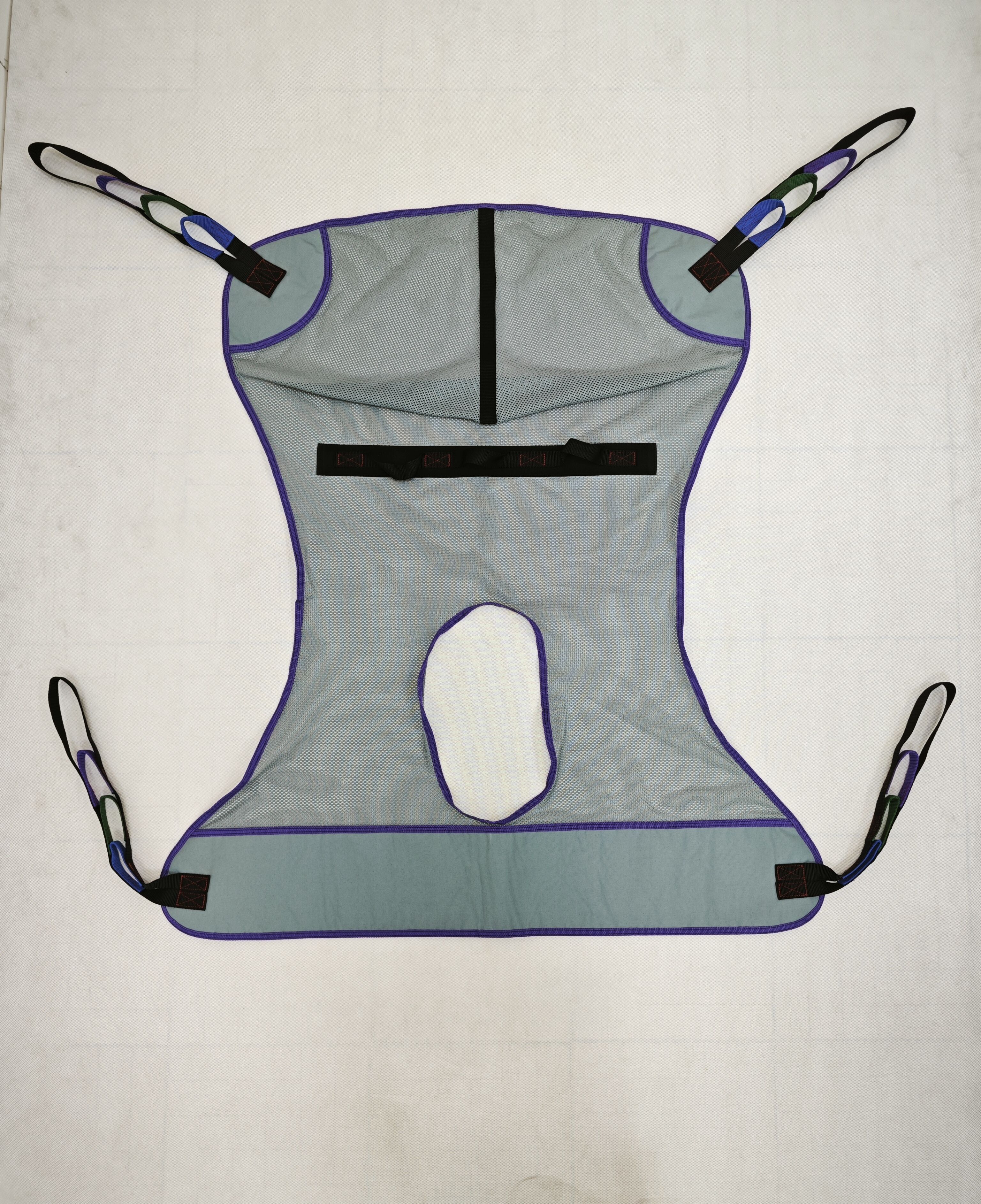
Why Mesh Material Enhances Patient Comfort and Safety
Understanding mesh sling material benefits for patient care
Mesh slings used in patient lifting equipment offer both breathability and good structural support, which tackles those important issues when moving patients around. These slings have an open weave pattern that spreads out the pressure across the body and lets air circulate too something that really helps patients who need to be moved often throughout their stay. According to studies done in medical settings, these mesh materials actually keep surfaces cooler than regular fabric options, dropping temperatures anywhere between 2 to 3 degrees Celsius. This makes a big difference over time since it cuts down on discomfort from excessive heat buildup during long periods of use.
How sling material and breathability impact skin integrity
Breathable mesh prevents moisture accumulation, a contributing factor in 68% of hospital-acquired pressure injuries (Journal of Wound Care, 2023). Its rapid-drying properties help maintain skin pH balance, which is crucial for patients with incontinence or excessive perspiration. Enhanced ventilation also reduces bacterial growth risk by 40% compared to non-porous alternatives.
Comparing mesh slings to traditional solid fabric slings
| Feature | Mesh Slings | Traditional Slings |
|---|---|---|
| Air Circulation | 360° airflow | Limited ventilation |
| Dry Time | 15-20 minutes | 45-60 minutes |
| Weight Capacity | Up to 600 lbs | Up to 800 lbs |
| Pressure Distribution | 22% more even | Concentrated points |
Material and comfort: Why patients prefer mesh
People who use mesh slings during transfers often experience around 74% less feeling of being stuck or restricted. The material is soft and bends easily to fit different body shapes without causing any pinching sensations, which matters a lot for folks with delicate skin or open sores. Many caregivers have noticed something else too: mesh slings weigh between 1.2 and 1.8 pounds compared to those heavy vinyl ones that tip the scales at 2.4 to 3 pounds. This weight difference makes all the difference when helping someone move sideways from bed to wheelchair or wherever they need to go.
Breathability and Skin Health in Long-Term Patient Use
Comfort and breathability of slings during extended transfers
Mesh slings maintain consistent airflow during prolonged transfers, helping prevent heat stress and skin irritation. A 2023 clinical review found they allow 40% greater air circulation than traditional fabrics over 90-minute periods—critical for immobile patients. The open-weave structure supports even pressure distribution and proper spinal alignment.
Reducing moisture buildup with full body slings with mesh material
Moisture under slings increases maceration risks by 62% in humid environments (Journal of Wound Care, 2024). Mesh’s rapid-drying capability brings skin moisture levels to safe thresholds (<15% hydration variance) within 20 minutes post-transfer. Facilities using full-body mesh slings report 58% fewer moisture-related complications than those using solid fabric alternatives.
Case study: Pressure sore prevention using breathable mesh slings
A 12-month hospital trial revealed patients using breathable mesh slings developed 35% fewer Stage I pressure ulcers than those using nylon slings. Researchers linked this improvement to 32% lower interface humidity and better heat dissipation. These findings align with 2024 CDC guidelines emphasizing moisture-wicking materials in pressure injury prevention protocols.
Machine Washable Patient Lift Slings: Ensuring Hygiene and Infection Control
Importance of cleaning and sanitization in infection control
Proper disinfection of patient lift slings reduces pathogen transmission by 35% in long-term care settings (Healthcare Safety Journal, 2023). With healthcare-associated infections costing U.S. hospitals $7.4 billion annually (CDC, 2024), cleanability is essential. Machine-washable mesh slings achieve 99.9% microbial elimination at 160°F (71°C), meeting WHO sterilization standards.
How machine-washable sling materials streamline care workflows
Reusable slings with antimicrobial coatings endure over 300 wash cycles without compromising tensile strength (Ponemon, 2023). Unlike disposable slings requiring hourly changes, reusable options reduce linen management time by 18 minutes per caregiver shift. Facilities using automated washing systems report 22% fewer cross-contamination incidents (Journal of Nursing Efficiency, 2024).
Infection control and laundering of slings: Clinical guidelines
| Factor | Recommendation |
|---|---|
| Temperature | 160°F (71°C) minimum |
| Detergent | pH-neutral, bleach-free |
| Drying | Tumble dry low ¥45 minutes |
| Inspection | Check stitching after 100 washes |
| Following evidence-based laundering protocols helps preserve sling integrity across 2–3 years of daily use while maintaining high hygiene standards. |
Reusable vs disposable slings in healthcare settings: Cost, hygiene, and sustainability
The numbers tell quite a story when comparing reusable mesh slings to their disposable counterparts. Hospitals spend around $1200 per bed each year on reusables versus nearly $2900 for disposables, which works out to almost 60% savings over time. Sure, disposables cut down on laundry costs completely, but what many facilities overlook is the massive amount of extra trash they create. According to recent data from the Green Health Collaborative in 2024, about seven out of ten hospitals are shifting toward greener alternatives these days. Reusable mesh slings actually manage to hit multiple sweet spots at once. They help prevent infections while saving money in the long run, plus they're much better for the environment too. And let's not forget, these slings have safely supported well over 500 patient transfers already without any issues reported.
Specialized Applications: Using Mesh Slings for Bathing and Showering
Bathing slings (mesh slings): Designed for water drainage and hygiene
Mesh slings help manage fluids and cut down on infection dangers when transferring patients during baths. The holes in these slings let water drain right away, so there's no standing water where bacteria can grow. According to a recent study in clinical hygiene from 2024, mesh materials leave behind about 62% less dampness than regular solid fabrics do. That makes a big difference for people whose skin is already sensitive or who have catheters in place. Healthcare workers often prefer these because they just make sense for keeping things dry and clean where it matters most.
Shower slings and the role of mesh in rapid drying
The open-weave design cuts drying times by 40–50% compared to traditional nylon—a major advantage in shower environments. Rapid evaporation helps preserve skin integrity, especially for immobilized patients prone to maceration. Facilities using mesh shower slings report 28% fewer slip incidents related to excess humidity during wet transfers.
Trend: Increasing adoption of mesh slings in home and clinical bathing routines
Seventy-three percent of long-term care facilities now prioritize mesh slings for bathing protocols due to their hygiene and operational benefits. Home caregivers appreciate their lightweight build—35% lighter than padded slings—and durable, machine-washable construction, which allows safe reuse across multiple sessions without sacrificing performance or safety.
FAQ
Why are mesh slings preferred for patient transfers?
Mesh slings are preferred because they provide superior breathability, rapid drying, and even weight distribution, which helps maintain patient comfort and skin integrity during transfers.
How does mesh material contribute to infection control?
Mesh materials are machine washable and quickly dry, thereby reducing moisture buildup and bacterial proliferation. They also comply with sterilization standards, ensuring hygiene in healthcare settings.
Are reusable mesh slings cost-effective compared to disposable options?
Yes, reusable mesh slings are more cost-effective as they offer significant savings on annual expenses compared to disposable slings. They also have environmental advantages by reducing waste.