
 EN
EN


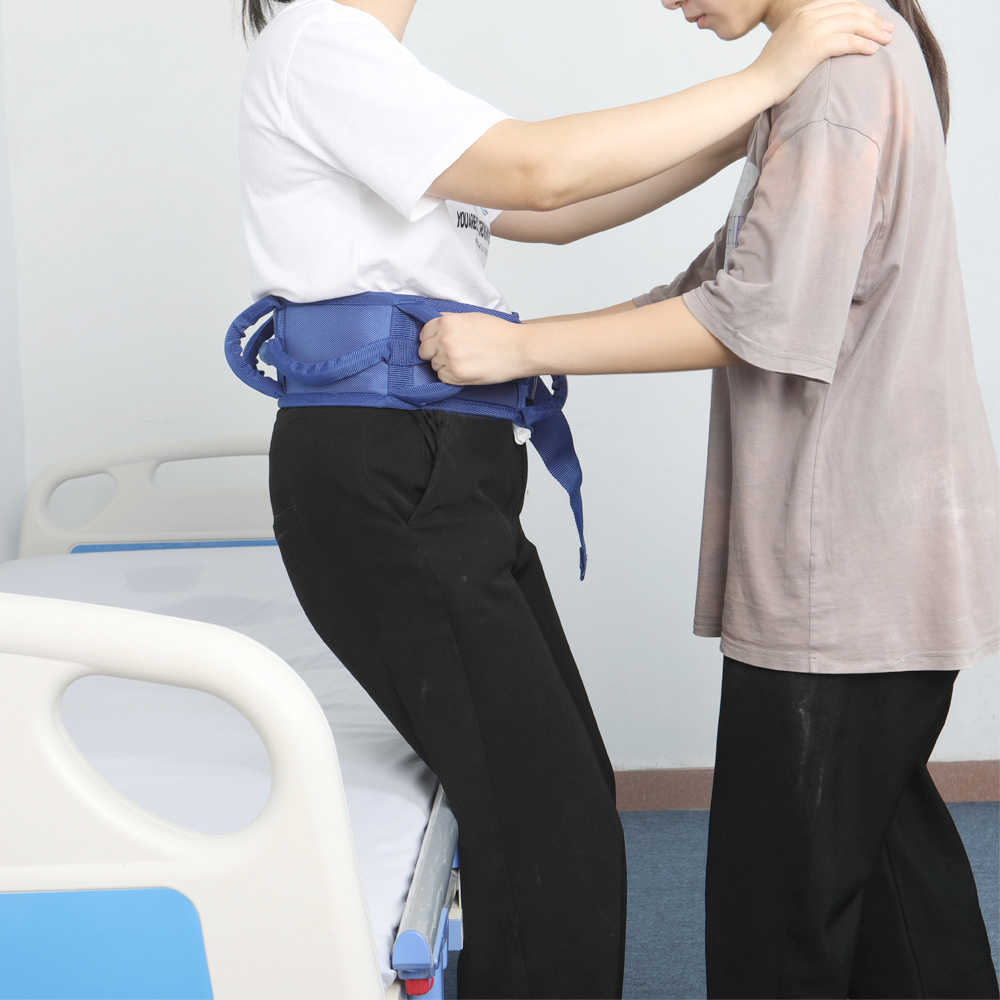
Understanding the Patient Gait Belt: Design and Functionality
What Is a Patient Gait Belt and How Does It Work?
Patient gait belts serve as safety devices wrapped around someone's waist when moving them around. They help caregivers with transfers, walking exercises, and rehab sessions. Most are constructed from strong materials like nylon or vinyl, with adjustable buckles so they fit different body types. The handles are extra thick and reinforced, giving medical staff a good hold without putting too much stress on their backs. Research published last year showed that when these belts are used correctly, they cut down injuries among caregivers by about a third during lifting tasks. What makes these belts really useful is the quick release feature. If something goes wrong suddenly, the belt can be taken off fast, which explains why facilities across the board—from hospital wards to assisted living centers and even home health services—keep stockpiling them for daily operations.
Key Components of an Effective Patient Gait Belt
- Adjustable Buckle: Accommodates waist sizes up to 60 inches for bariatric patients
- Padded Handles: Reduce pressure points and improve grip stability
- Reinforced Stitching: Prevents tearing under heavy loads (tested up to 400 lbs)
- Breathable Material: Antimicrobial vinyl or nylon resists moisture and skin irritation
Types of Patient Gait Belts for Clinical and Home Use
| Type | Best For | Key Feature |
|---|---|---|
| Transfer Belts | Bed-to-chair transfers | Wide handles for dual grip |
| Lift Belts | Standing assistance | Central back support loop |
| Mobilization Belts | Gait training | 360° rotational design |
Leading providers recommend vinyl belts for infection-prone environments due to their wipe-clean surface, while home caregivers often prefer nylon models with cushioned lumbar support. A recent analysis showed that 78% of rehabilitation centers use at least two belt types to accommodate diverse patient needs.
Fall Prevention in Patient Care: The Critical Role of Patient Gait Belts
How Patient Gait Belts Prevent Falls During Transfers and Ambulation
Gait belts give caregivers something solid to hold onto when helping patients move around, all while letting the person maintain some control over their own movements. They really help with balance issues during those tricky transfers from bed to chair and when doing walking exercises. The belt works by spreading out the support across the patient's torso muscles rather than putting all the pressure on one spot. Studies show these belts can cut down sideways wobbling by anywhere between 30 to 50 percent compared to trying to walk without help according to CDC data from last year. What makes them so useful is the sturdy handles that let staff adjust positioning as needed without making the patient feel restricted or embarrassed about needing assistance. Most importantly, they still allow for natural movement patterns instead of forcing someone into awkward positions just because of an accident waiting to happen.
Evidence-Based Outcomes: Fall Reduction with Consistent Gait Belt Use
Studies have shown that nursing homes requiring staff to use gait belts see about 43 percent fewer falls resulting in injury compared to places where these safety measures aren't enforced. Looking at data from eight different long term care centers in 2023, researchers found emergency room visits for broken hips dropped by nearly 30% in facilities where caregivers always used gait belts during transfers. The benefits don't just apply to younger residents either. For seniors aged 85 and older who are particularly prone to falling, regular use of gait belts leads to roughly 19% improvement in balance during physical therapy sessions according to recent research published in the Journal of Geriatric Nursing last year.
Case Study: Reducing Falls in Post-Stroke Rehabilitation Units
At a 120 bed facility specializing in neurological recovery, monthly falls dropped dramatically from 17 down to just 4 once they started requiring all staff to undergo proper gait belt training along with better access protocols throughout the building. The therapy team noticed something interesting too patients seemed much more confident when working on walking again, and within about three weeks, nearly 9 out of 10 people were using safer methods for moving between surfaces. But there was another unexpected plus side as well. Over the next half year, workers suffered significantly fewer back and muscle injuries while helping patients move around. This drop in workplace injuries showed how these simple belts actually protect both patients and caregivers at the same time.
Protecting Caregivers: Reducing Injury Risk with Patient Gait Belts
How Proper Patient Gait Belt Use Minimizes Caregiver Strain
Gait belts for patients provide secure grip points that actually follow good biomechanics principles, which helps cut down on the strain felt in caregivers' backs, shoulders, and hips when moving them around. These tools work by taking pressure off the smaller, more injury-prone muscles and putting it onto the bigger leg muscles instead. According to research published last year, rehab centers that started using proper gait belt techniques saw their staff injury rates drop by almost half within just six months. The study showed that better body positioning during transfers made all the difference in preventing those common back problems we see so often among healthcare workers.
Biomechanical Advantages in Safe Patient Handling Programs
Gait belts optimize force distribution by positioning handles at the patient’s center of gravity. This design enables caregivers to:
- Maintain neutral wrist and posture alignment during lifts
- Engage core muscles through controlled rocking motions
- Avoid dangerous twisting maneuvers
The resulting kinetic chain efficiency reduces required lifting force by 27% while improving balance control for both parties.
Bridging the Gap: Underutilization Despite Proven Safety Benefits
Though clinical studies demonstrate 60% lower caregiver injury rates with consistent gait belt use, adoption remains below 45% in home care settings. Common barriers include inadequate training time (reported by 68% of CNAs) and misconceptions about patient dignity—challenges addressable through video-based microlearning and peer mentoring initiatives.
Best Practices for Applying and Using a Patient Gait Belt Safely
Proper patient gait belt use reduces fall risks by 42% while lowering caregiver injury rates by 31% (Patient Safety Institute, 2023). For optimal results, follow these evidence-based protocols:
Step-by-Step Guide to Correct Patient Gait Belt Application
Position the belt around the patient’s waist above the hips, avoiding bony prominences or recent surgical sites. The 2024 Clinical Care Guidelines recommend allowing two finger-widths of space between the belt and skin to prevent circulatory restrictions.
Safe Transfer and Ambulation Techniques Using a Gait Belt
Grip handles with palms facing inward, keeping elbows bent close to the body. Shift weight using leg muscles rather than back muscles—a technique shown to reduce lumbar spine forces by 54% in ergonomic studies. Always maintain direct visual contact with the patient during lateral transfers.
Common Mistakes and How to Avoid Them
Top errors include:
- Using belts on patients with abdominal hernias or post-laparotomy incisions (complication risk by 63%)
- Placing belts over loose clothing (slippage likelihood by 38%)
- Failing to verbally confirm comfort before movement
Contraindications and When Not to Use a Patient Gait Belt
Avoid gait belts for patients with:
- Recent rib or spinal fractures (displacement risk)
- Severe osteoporosis (vertebral compression risk)
- Open abdominal wounds or gastric feeding tubes
Recent analysis of 12,000 transfers shows proper belt use protocols reduce combined patient-caregiver injury rates by 62% when followed completely (Rehabilitation Nursing Journal, 2023).
Patient Populations That Benefit Most from Patient Gait Belts
High-Risk Groups: Post-Stroke, Spinal Cord Injury, and Elderly Patients
People dealing with brain injuries or getting older and finding it harder to move around actually get safer when they use those special gait belts. Stroke survivors report about a quarter fewer slips and wobbles while moving around with help from these belts, based on what physical therapists have observed. Patients with spinal injuries tend to take part more actively in standing exercises because caregivers can hold onto them securely without causing discomfort. The numbers look good too for seniors living in nursing homes, where staff notice around 18 percent fewer trips to the ER after falls since implementing gait belt protocols. Especially important for folks with weak bones, these belts give that extra support needed when shifting positions, which makes a big difference in preventing painful fractures that come from sudden movements.
Gait Belts in Physical Therapy and Post-Surgical Recovery
More and more rehab teams are starting to see the value in incorporating gait belts into their post-op mobility programs. Research shows that folks who had hip replacements got around on their own about two days sooner when they used these support belts during therapy sessions. For therapists, these belts offer a safe way to push patients' weight bearing limits while still keeping them from falling. Patients recovering from abdominal surgeries find them helpful too, since the belts let them get moving earlier without putting pressure on fresh incisions. Most medical professionals agree these simple devices should be part of standard care for anyone trying to regain independence after surgery or long stays in the hospital.
FAQ
What is a patient gait belt used for?
A patient gait belt is primarily used to safely assist in the transfer and movement of patients, providing enhanced stability and reducing injury risks for both the patient and caregiver.
How does a gait belt prevent falls?
Gait belts help distribute support across the patient's torso, aiding in balance and reducing sideways wobbling, which lowers the risk of falls, especially during transfers and ambulation.
Are there contraindications for using a gait belt?
Yes, gait belts should not be used on patients with recent rib or spinal fractures, severe osteoporosis, open abdominal wounds, or gastric feeding tubes due to increased injury risks.
Table of Contents
- Understanding the Patient Gait Belt: Design and Functionality
- Fall Prevention in Patient Care: The Critical Role of Patient Gait Belts
- Protecting Caregivers: Reducing Injury Risk with Patient Gait Belts
- Best Practices for Applying and Using a Patient Gait Belt Safely
- Patient Populations That Benefit Most from Patient Gait Belts
- FAQ