
 EN
EN


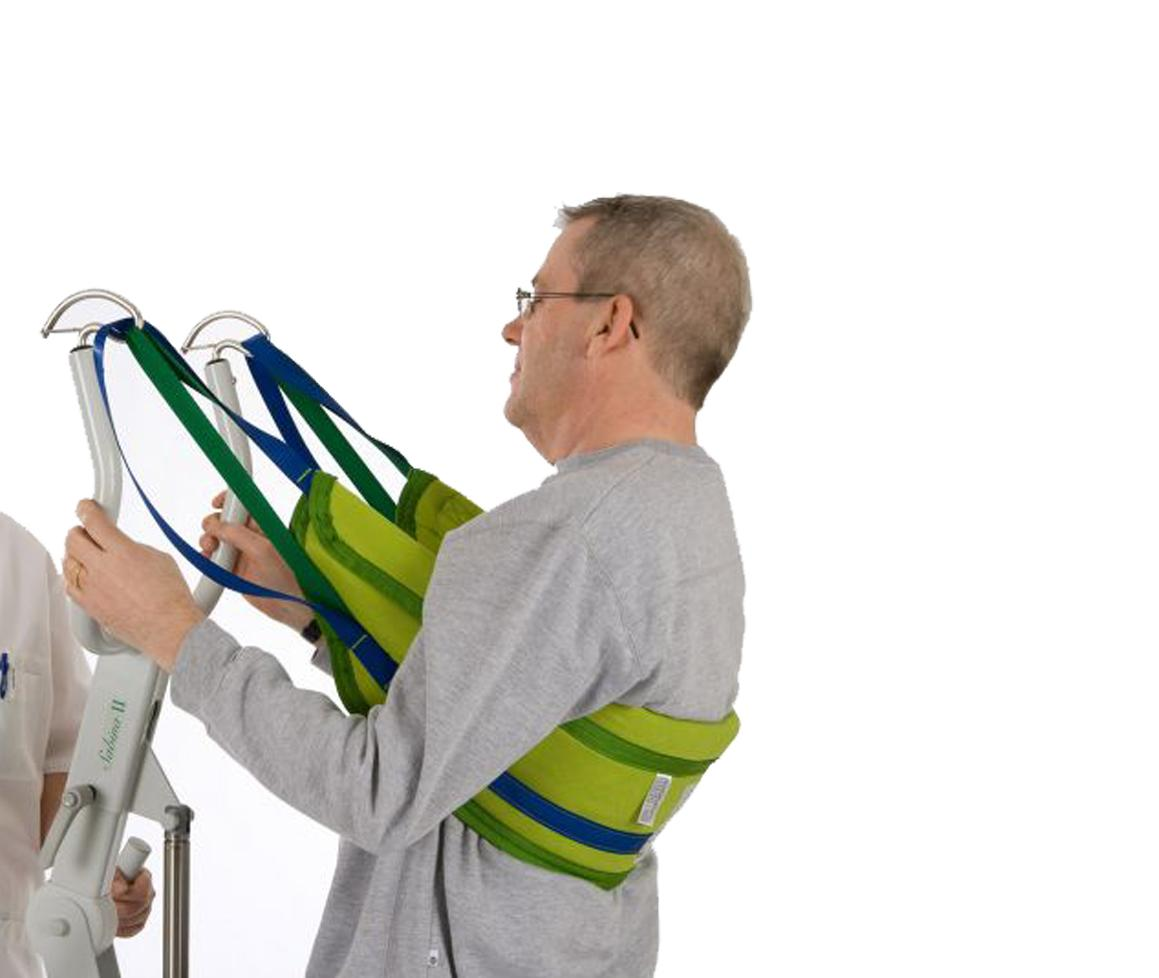
Promoting Patient Mobility and Independence
Restoring Autonomy Through Controlled Sit to Stand Transfers
Sit-to-stand slings help fill the space between needing help all the time and being able to do things on one's own. They let patients actually get involved when moving from sitting to standing positions. The sling works with a lifting system that follows how people normally move, which helps build leg strength slowly over time without putting too much pressure on caregivers. According to some recent findings at St Charles Health System last year, folks who used these slings managed to stand up on their own about 42 percent more often than those relying solely on hands-on help from staff members.
Supporting Gait Training and Early Mobilization in Rehabilitation
Getting patients into a standing position sooner helps their muscles and nerves recover faster, particularly after strokes or spinal injuries. Research published last year in Scientific Reports showed pretty impressive results too. About three quarters of people who used these special sit-to-stand sling systems started walking exercises around two days sooner compared to folks on regular rehab schedules. Makes sense when we think about how rehab works best when patients actually practice the movements they need to regain. The body learns through repetition, so getting them upright early gives their brains more opportunities to rewire those lost motor connections.
Long-Term Functional Gains from Consistent Use of Sit to Stand Sling Systems
Patients who follow structured mobility programs with sit to stand devices achieve measurable improvements over time:
| Metric | 3-Month Gain | 6-Month Gain |
|---|---|---|
| Balance Test Scores | +18% | +34% |
| Chair Rise Repetitions | +22% | +41% |
These functional gains are directly linked to higher home discharge rates, as highlighted in ARJO's 2024 mobility analysis.
Encouraging Active Participation in Movement with Minimal Assistance
When patients move from being passive recipients to taking an active role in their care, rehab results tend to get much better. Things like height adjustments that can be changed on the fly and screens showing how weight is distributed in real time really help push people toward doing transfers on their own. A recent study from Heritage Home Mobility back in 2023 found something interesting too these kinds of systems actually lead to about 58% more attempts at independent transfers. This matters a lot for folks who often struggle with feelings of depression when they've been stuck without movement for too long. Getting them moving again isn't just good for physical recovery but also helps lift spirits during what can be a very tough period.
Enhancing Patient Safety and Fall Prevention
How Sit to Stand Slings Reduce Fall Risk During Transfers
Sit-to-stand slings help prevent instability when moving between positions by giving complete body support and managing how weight is distributed. The way these devices are designed keeps hips and shoulders properly aligned, which helps users maintain safer postures while bearing weight. Manual transfer methods often result in unexpected balance problems, but studies show that sit-to-stand systems cut down lateral movement during standing by about 39% according to research from Buckley in 2009. This makes them particularly valuable for individuals dealing with neurological issues or those who have weak legs, as they provide essential stability during what can otherwise be risky movements.
Clinical Evidence on Safety Improvements with Sit to Stand Transfer Devices
Recent advances in fall prevention tech are showing pretty impressive outcomes according to recent research. A small scale trial published back in 2025 by the Journal of NeuroEngineering and Rehabilitation found that combining modern sit to stand slings with smart motion sensors cut fall incidents by around 62%. The study looked at 214 patients who were particularly at risk due to neurological conditions. Of those participants, about 93% managed to keep their balance while using the sling system, which suggests better control over body positioning during standing activities. These findings point to real potential for improving safety among vulnerable populations through these technological solutions.
Stability and Postural Support Provided by Sit to Stand Sling Designs
Key design elements work together to maximize stability:
- Non-slip shoulder cuffs prevent downward slippage during elevation
- Adjustable pelvic belts stabilize core musculature
- Asymmetric lift distribution accommodates patients with hemiparesis
These features allow smooth, momentum-free transfers, enabling patients to safely perform 25% more repetition cycles per therapy session than with manual methods (Vassallo, 2004).
Supporting Rehabilitation and Functional Recovery
Integrating Sit to Stand Slings into Post-Surgical and Neurological Rehab Programs
Sit-to-stand slings are really important for patients recovering from things like joint replacement surgery, back injuries, or strokes. According to a recent study on regenerative rehab techniques published in 2023, when therapists combine these slings with specific exercise routines, patients actually walk faster - around 32% improvement over traditional methods. What makes these systems so helpful is their flexibility. They can start with just lifting someone partway up at about 45 degrees and gradually move toward full standing positions. This gradual approach works well for folks trying to regain movement control after traumatic brain injuries. The CDC reports that roughly 2.8 million Americans experience such injuries each year, making this kind of equipment increasingly relevant in rehabilitation settings across the country.
Role of Sit to Stand Sling Use in Geriatric Rehabilitation and Muscle Re-education
Older folks who've been stuck in bed for too long can benefit greatly from sit to stand slings that fight off muscle loss caused by aging. These devices work by moving the body vertically in a controlled way while providing important sensory information about position and movement. The real advantage is twofold actually rebuilding lost strength and making seniors feel less scared about falling over. According to some recent studies on geriatric mobility published last year, people using these slings experienced around 60 percent less worry about tripping or losing balance. What makes this approach so effective is the repeated sitting and standing motions which wake up those dormant muscles needed for daily tasks like navigating steps or getting out of chairs.
Assistive Stability for Safe, Repetitive Practice in Recovery Settings
Sit-to-stand slings let people practice moving from sitting to standing positions many times without getting tired, something really important for brain plasticity. Physical therapists often work with their patients doing around 50 to maybe even 100 transfers each day, making sure hips, knees, and ankles stay properly aligned during these movements. The research backs this approach too. A study published last year in the Journal of Neurological Rehabilitation looked at folks with spinal injuries who used these slings regularly over eight weeks. At the end, they saw about a quarter better movement ability in their legs compared to before starting treatment.
Preserving Patient Comfort, Dignity, and Psychological Well-Being
Maintaining Dignity with Upright, Low-Contact Transfers Using Sit to Stand Slings
Sit to stand slings allow caregivers to perform transfers with minimal physical contact, preserving patient dignity through upright positioning. Unlike full-body lifts, these slings distribute weight strategically while keeping clothing in place—a concern for 76% of patients who report embarrassment during assisted transfers (Geriatric Nursing Review, 2023).
Psychological Benefits of Independent-Like Movement in Dependent Patients
Even partial participation in sit-to-stand motion fosters psychological resilience. Studies in neurological rehabilitation show a 29% reduction in depression symptoms when patients use systems that simulate independent movement (Journal of Rehabilitation Medicine, 2022), highlighting the mental health benefits of perceived autonomy.
Ergonomic Design Features That Enhance Comfort During Sit to Stand Transfers
Modern sit to stand slings incorporate breathable spacer fabrics and contoured pelvic supports aligned with pressure injury prevention guidelines. These materials reduce shear forces by 41% compared to flat-weave slings and accommodate limited joint mobility, making them well-suited for patients with arthritis or post-stroke stiffness.
FAQ
What is a sit-to-stand sling, and how does it help patients?
A sit-to-stand sling is a mobility aid designed to assist patients in transitioning from a sitting to a standing position. It enables patients to actively participate in their movements, helping to build leg strength and improve functional independence.
Can sit-to-stand slings prevent falls?
Yes, sit-to-stand slings can help reduce falls by providing complete body support and promoting proper weight distribution, enhancing stability during transfers.
Are sit-to-stand slings beneficial for rehabilitation?
Yes, sit-to-stand slings are widely used in rehabilitation to support early mobility, gait training, and recovery from neurological or surgical conditions, encouraging repetitive practice and functional recovery.
What are the psychological benefits of using sit-to-stand slings?
Sit-to-stand slings not only promote physical recovery but also contribute to psychological well-being by reducing feelings of dependency and boosting patient confidence and autonomy.
Table of Contents
- Promoting Patient Mobility and Independence
- Enhancing Patient Safety and Fall Prevention
- How Sit to Stand Slings Reduce Fall Risk During Transfers
- Clinical Evidence on Safety Improvements with Sit to Stand Transfer Devices
- Stability and Postural Support Provided by Sit to Stand Sling Designs
- Supporting Rehabilitation and Functional Recovery
- Preserving Patient Comfort, Dignity, and Psychological Well-Being
- FAQ