
 EN
EN


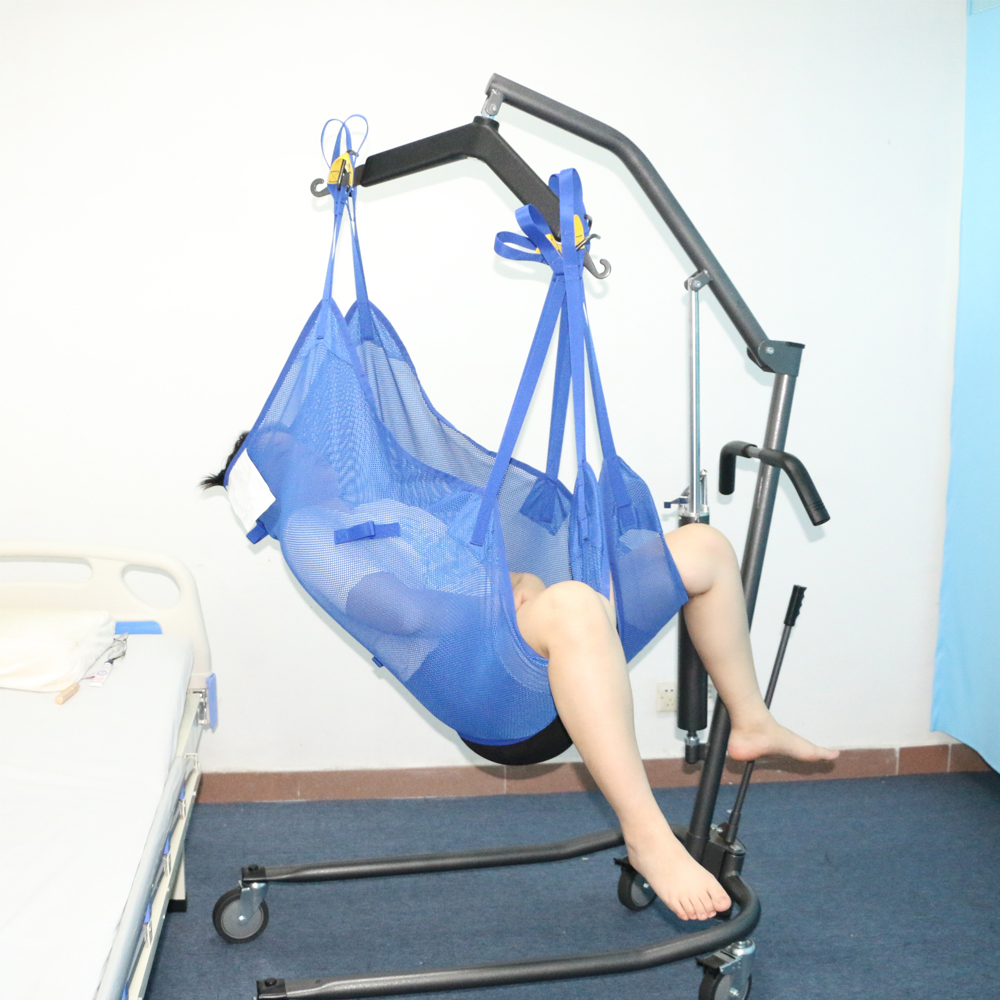
The Role of Transfer Slings in Safe Patient Handling and Mobility (SPHM)
Understanding Safe Patient Handling and Mobility (SPHM) Principles
The Safe Patient Handling and Mobility (SPHM) approach aims to cut down on injuries for both patients and healthcare workers by moving away from old school manual lifting methods toward more ergonomic practices backed by research. Looking at numbers from the Bureau of Labor Statistics released last year, around 42 percent of nurses have experienced some kind of muscle or bone injury because of lifting patients manually. Facilities that implement proper SPHM protocols tend to see a big difference in their injury stats, sometimes cutting them down as much as 60%. When hospitals actually put these protocols into daily operations, they're following what OSHA recommends while saving money too. We're talking about real savings here - facilities spend roughly $740,000 each year dealing with costs related to worker injuries according to a study published by the Ponemon Institute back in 2023.
How Transfer Slings Support Evidence-Based SPHM Outcomes
Transfer slings are really important for safe patient handling (SPHM) because they spread out body weight during moves instead of putting all the stress on one spot. Studies show these slings cut down pressure points by around 30 to 40 percent compared with just lifting manually. Keeping proper spinal alignment matters a lot, especially after surgery or for people with neurological issues who need extra support. Nurses and therapists have noticed things go much quicker too when patients are moved with good quality slings. Some facilities report nearly 30 percent improvement in getting patients up and moving, which makes a big difference in places like neurology wards where small movements can affect how someone recovers from their condition.
Integration With Overhead and Mobile Lift Systems
Today's transfer slings come equipped with universal connectors that work with around 92 percent of both ceiling mounted and mobile lift systems out there, making it much easier to move patients between different care environments. Facilities that combine these slings with CE certified products alongside lifts featuring artificial intelligence see about a two thirds drop in falls during transfers because the system constantly checks how weight is distributed. The whole setup helps get ICU patients moving sooner without compromising sterility, which matters a lot in places where infections spread easily.
Types of Transfer Slings and Matching Them to Patient Needs
Overview of common transfer sling types and their clinical applications
Transfer slings come in all sorts of styles to fit different situations in healthcare settings. The ones with padding really cut down on those annoying pressure spots when someone has to be moved around for long periods. Mesh slings let air circulate better, which is a big plus for keeping things clean during bath time or other wet activities. Most facilities stock up on universal slings because they work for about 8 out of 10 regular transfers from beds to wheelchairs. Patients who need extra support tend to benefit from slings that wrap around the body snugly. These designs keep the spine properly aligned, something that matters a lot according to what physical therapists have been telling us lately about safe movement practices.
Full-body vs. sit-to-stand transfer slings: Key differences and use cases
Full body slings give support to the back area, thighs, and calf muscles, which makes them really good for patients who can't put any weight on their legs during side transfers. The other type, sit to stand slings, have shorter legs parts and extra strong upper body sections that help people bear some weight while moving up vertically. When paired with mobile lifting equipment, these specialized slings cut down on how hard caregivers need to work by around 45 percent compared to old fashioned pivot methods. This not only makes things safer but also gets the job done faster in most clinical settings.
Bariatric transfer slings: Weight capacity and safety considerations
Bariatric slings come in ratings from around 600 to 1000 pounds and feature wider nylon sections plus double stitched layers to make them last longer. For safety reasons, these slings need checking every three months at the attachment spots, and there should be records kept whenever they're tested with loads above 400 pounds. Some newer models now have colored markers that show when getting close to the weight limit, which helps staff spot potential problems before anything goes wrong during patient transfers.
Specialty transfer slings for neurological, pediatric, and post-surgical patients
Pediatric slings offer modular sizing to adapt to growth, while neurological models include non-trigger clasp systems to avoid activating spasticity. Post-operative abdominal slings are designed with pressure-free zones around incision sites, contributing to 30% faster wound closure rates in recent trials compared to standard sling use.
Improving Patient Independence and Rehabilitation Outcomes with Transfer Slings
Supporting Patients With Limited Mobility Through Personalized Transfer Sling Solutions
Transfer sling systems that can be customized let healthcare workers adjust support according to how mobile each patient actually is. For folks who still have some strength in their legs, sit-to-stand slings help them get into an upright position safely. Meanwhile, full body slings are necessary when someone needs complete support during transfers. These special setups handle tricky situations like uneven weight distribution after an accident or following surgery. The numbers tell a story too - facilities reporting these custom solutions saw a drop in falls by around 40 percent among residents over time. That makes sense since proper fitting really matters for safety in places where people might otherwise struggle with balance issues daily.
Use of Transfer Slings in Rehabilitation: Enhancing Mobility and Functional Recovery
Transfer slings play a really important role in rehab settings, helping patients reach those key functional goals they need to get back on their feet. These devices let people stand up safely and practice putting some weight on their legs, which is crucial for building core strength after strokes or spinal injuries. Many occupational therapists have noticed something interesting too - when patients work with these slings alongside regular therapy sessions, their walking improvements tend to happen about 30% faster than usual. Of course, results can vary depending on individual circumstances, but the general trend points to significant benefits from this combined approach.
Data Insight: Improved Patient Independence Scores After Consistent Transfer Sling Use (CDC, 2022)
A CDC study tracking 1,200 patients over six months found a 22% improvement in independence scores with daily transfer sling use. Participants showed a 17% increase in self-transfer ability and a 29% decrease in reliance on two-person assistance, directly correlating with higher quality-of-life ratings at rehabilitation discharge.
Reducing Caregiver Injury Through Proper Use of Transfer Slings
How Transfer Slings Minimize Physical Strain and Prevent Musculoskeletal Injuries
When lifting patients, transfer slings help spread out body weight which cuts down on spine pressure by around 58 percent when compared to doing it all manually according to research from Dixit in 2024. These slings are designed with comfort in mind, having soft padding along the straps and made from materials rated for specific weights. This setup follows what experts recommend for proper body mechanics. They stop those dangerous motions like sudden twists or jerks that we know cause long term back problems for so many working in hospitals and care facilities day after day.
OSHA Data: 35% Reduction in Caregiver Injuries With Standardized Transfer Protocols
Facilities implementing standardized transfer protocols involving transfer slings reported a 35% decline in lifting-related injuries over three years, according to OSHA data. Success factors included pre-transfer safety checks, coordinated team lifts, and verification of sling-lift compatibility—highlighting the importance of systematic implementation in protecting both staff and patients.
Overcoming Resistance: Training Programs That Improve Compliance With Transfer Sling Use
Resistance to sling use often stems from perceived time demands or lack of technical knowledge. Simulation-based training has increased proper usage rates from 62% to 89% in acute care settings. Workshops focusing on correct sizing, attachment sequencing, and patient communication have reduced preventable lift incidents by 41% following implementation.
Safety, Sizing, and Infection Control in Transfer Sling Use
Proper sizing, weight capacity, and material selection for safe transfer sling use
Accurate sizing prevents 45% of patient handling injuries caused by improper sling use (Powell et al., 2023). Caregivers should measure thigh circumference and torso height to match manufacturer specifications, ensuring optimal weight distribution. Breathable nylon slings with 500 lb capacity suit bariatric patients, while moisture-wicking polyester options benefit those undergoing frequent transfers.
Pre-use inspection checklist for transfer slings and lift systems
Before each use, caregivers must inspect stitching, clasps, and fabric elasticity. A 2024 equipment safety study found that daily inspections reduce device failure rates by 72% in rehabilitation facilities. Slings exhibiting stitch gaps greater than 3mm or more than 30% stretch beyond original specifications should be removed from service immediately.
Infection prevention: Advantages of single-patient use and disposable transfer slings
Disposable antimicrobial slings reduce cross-contamination rates by 89% compared to reusable alternatives in ICU settings (CDC, 2023). Constructed from fluid-resistant nonwoven polypropylene, they maintain a 400 lb weight capacity while minimizing infection risk. High-turnover units using single-patient slings report 56% fewer C. difficile transmissions than those relying on shared models.
Cost-benefit analysis: Reusable vs. disposable transfer slings in high-turnover units
| Factor | Reusable Slings | Disposable Slings |
|---|---|---|
| Annual Cost/Patient | $220 | $310 |
| Infection Risk | 18% | 3% |
| Laundering Labor | 7 hrs/week | 0.5 hrs/week |
Research indicates that despite higher upfront costs, disposable slings reduce total operational expenses by 34% in units with over 20 daily transfers due to savings in infection treatment and staff labor.
FAQ
What is Safe Patient Handling and Mobility (SPHM)? SPHM is an approach aimed at reducing injuries among patients and healthcare workers by implementing ergonomic lifting techniques instead of traditional manual lifting.
How do transfer slings support SPHM? Transfer slings distribute body weight evenly during moves, reducing pressure and supporting better spinal alignment, helping to prevent injuries.
What are the types of transfer slings? Transfer slings include full-body, sit-to-stand, bariatric, and specialty slings tailored to different patient needs and clinical applications.
How can transfer slings improve rehabilitation outcomes? Transfer slings aid in safe patient mobility, supporting functional recovery and enhancing independence, leading to faster rehabilitation outcomes.
What are the safety considerations for using transfer slings? It's crucial to ensure proper sling sizing, regular inspections, and understanding weight capacity to prevent injuries and maintain safety standards.
Table of Contents
- The Role of Transfer Slings in Safe Patient Handling and Mobility (SPHM)
- Types of Transfer Slings and Matching Them to Patient Needs
- Improving Patient Independence and Rehabilitation Outcomes with Transfer Slings
- Reducing Caregiver Injury Through Proper Use of Transfer Slings
-
Safety, Sizing, and Infection Control in Transfer Sling Use
- Proper sizing, weight capacity, and material selection for safe transfer sling use
- Pre-use inspection checklist for transfer slings and lift systems
- Infection prevention: Advantages of single-patient use and disposable transfer slings
- Cost-benefit analysis: Reusable vs. disposable transfer slings in high-turnover units
- FAQ