
 EN
EN


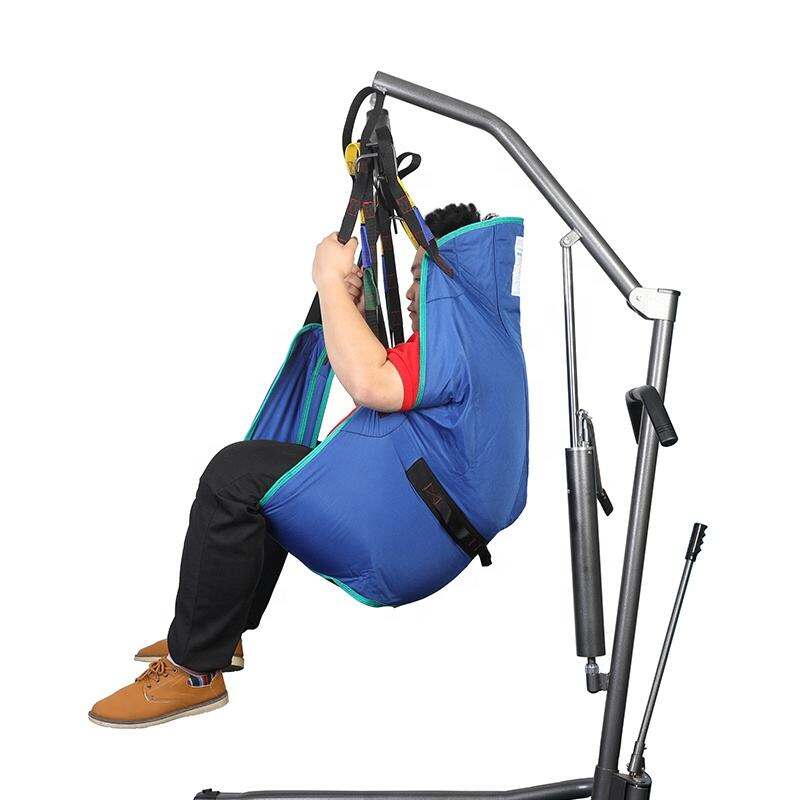
Critical Safety Factors in Patient Lift Sling Selection
Weight Capacity, Equipment Compatibility, and Alignment: Preventing Detachment and Load Failure
There are basically three things that absolutely must be right when deploying slings safely: knowing exactly what weight they can handle, making sure all the equipment works together properly, and getting the body positioned correctly. Going over those weight limits is really dangerous because it can lead to complete sling failure. According to various regulatory databases, around one out of every four lift related injuries happens when people overload their systems. Just because a manufacturer says something fits doesn't mean it actually does. We need to check things like the shape of the hanger bars, how attachments work, and what happens during actual lifts to make sure nothing comes loose unexpectedly. When someone isn't aligned properly in the sling, especially in the pelvis or spine area, this causes the weight to distribute unevenly across the sling material. This creates extra stress points that wear down materials faster, sometimes increasing shear forces by as much as 40%. These three problems combined capacity issues, incompatible parts, and bad body mechanics account for more than half of all reported sling detachments. To fix this, facilities should implement proper safety checks including weighing scales that integrate into daily routines, compatibility charts that cross reference different equipment models, and simple tools to map out body posture so we know the spine is in a neutral position before lifting anyone at all.
Patient-Specific Assessment Driving Optimal Sling Choice
Mobility Status, Body Habitus, and Skin Integrity: Why Individualized Fit Is Non-Negotiable
Choosing the right patient lift sling starts with looking at how mobile someone is, their body shape, and any areas where their skin might be particularly sensitive. People who can't bear much weight because they're paralyzed or recovering from surgery need slings that give complete body support and spread out pressure properly on all the parts that take weight. When measuring for size, things like torso circumference, how wide someone sits, and thigh measurements really matter. A study from last year showed something pretty shocking actually: if the sling doesn't fit right by even 2 inches, there's about a 38% chance of falls related to poor positioning. For larger patients, wider panels with reinforcement help stop edges from digging in, whereas smaller frames need specially shaped leg holes so blood flow isn't restricted. The materials used depend heavily on skin condition too. Fabrics that wick away moisture are great for people dealing with incontinence issues since they keep skin dry, while soft microfiber padding helps protect delicate skin from rubbing. Before putting any sling on a patient, healthcare workers should check for old scars, existing wounds, and bony areas that stick out. Some conditions like epidermolysis bullosa absolutely demand slings with no seams inside. Skip this careful matching process and patients face serious tissue damage problems that typically cost around $43,000 extra to treat according to recent research published in the Journal of Wound Care.
Avoiding Harm: Common Errors, Adverse Events, and Evidence-Based Mitigations
Wrong-Size Application, Material Degradation, and Inadequate Training: Root Causes of Lift-Related Falls
Most lift accidents happen because of three basic mistakes: using slings that don't fit right, working with worn out gear, and not enough proper training for caregivers. When slings are the wrong size, they just aren't stable enough. Even small differences in fit can mess up how weight is distributed during transfers, sometimes increasing dangerous forces by around 40%. That's a real problem nobody wants to deal with. Old materials present hidden dangers too. Slings used repeatedly tend to break down after about two to five years in service. We've seen cases where stitching starts coming apart or fabrics get damaged from sunlight exposure, leading to failures right in the middle of patient transfers. Training issues might actually be the easiest fix though. Hospitals that require hands-on practice sessions report roughly 70% fewer incidents compared to those without such requirements. Getting better at assessing patients' needs and knowing how equipment works makes all the difference when moving someone safely. Addressing these three areas together seems like the smartest path forward.
- Standardized sizing protocols using validated weight/height matrices
- Monthly sling integrity checks for tears, stiffness, or hardware corrosion
- Competency-based training covering body mechanics, emergency release procedures, and real-time decision-making
Neglecting these steps erodes safety margins—misaligned components and untrained staff compound each other’s risks.
Operational Excellence: Sling Application, Inspection, Maintenance, and Lifecycle Management
The 5-Point Pre-Use Inspection Protocol for Reusable Patient Lift Slings
Before every transfer, conduct this mandatory safety check:
- Material integrity: Scan for tears, fraying, or weakened stitching
- Hardware function: Test hooks, rings, and attachment points for smooth operation
- Label legibility: Verify weight capacity tags and laundering instructions
- Contamination check: Inspect for bodily fluids or residual disinfectants
-
Fit validation: Ensure size markings match the patient's profile
A 2023 study showed that facilities implementing this protocol reduced equipment-related incidents by 68% (Journal of Safe Patient Handling). Never use compromised slings—immediately quarantine damaged units.
Reusable vs. Disposable Slings: Balancing Infection Control, Durability, and Total Cost of Ownership
Consider these critical factors when selecting sling types:
| Factor | Reusable Slings | Disposable Slings |
|---|---|---|
| Infection Risk | Requires strict laundering protocols | Eliminates cross-contamination |
| Durability | 2–5 year lifespan with proper care | Single-use design |
| Cost Analysis | Higher initial cost, lower per-use | Low upfront, high long-term |
| Environmental Impact | Reduced waste generation | Increased landfill contribution |
For immunocompromised patients or outbreak scenarios, disposables prevent pathogen transmission. However, reusable patient lift slings typically demonstrate 40% lower lifetime costs when accounting for proper maintenance cycles. Facilities must align choices with clinical needs, infection control policies, and resource availability.
FAQ Section
What are the critical safety factors in patient lift sling selection?
The critical safety factors include knowing the weight capacity, ensuring equipment compatibility, and correct body alignment to prevent detachment and load failure.
Why is an individualized fit for patient lift slings important?
An individualized fit is crucial as it takes into account a person's mobility status, body shape, and skin integrity, thereby ensuring proper support and reducing risks of falls and injury.
What are common errors leading to lift-related falls?
Common errors include using wrong-size slings, worn-out materials, and inadequate caregiver training, all of which can increase the risk of accidents.
What is the pre-use inspection protocol for reusable patient lift slings?
The 5-point protocol involves checking material integrity, hardware function, label legibility, contamination risk, and fit validation to ensure safety during transfers.
How do reusable and disposable slings compare?
Reusable slings typically have a longer lifespan and lower lifetime cost, while disposable slings eliminate cross-contamination risks but contribute to higher long-term costs and environmental impact.
Table of Contents
- Critical Safety Factors in Patient Lift Sling Selection
- Patient-Specific Assessment Driving Optimal Sling Choice
- Avoiding Harm: Common Errors, Adverse Events, and Evidence-Based Mitigations
- Operational Excellence: Sling Application, Inspection, Maintenance, and Lifecycle Management
-
FAQ Section
- What are the critical safety factors in patient lift sling selection?
- Why is an individualized fit for patient lift slings important?
- What are common errors leading to lift-related falls?
- What is the pre-use inspection protocol for reusable patient lift slings?
- How do reusable and disposable slings compare?