
 EN
EN


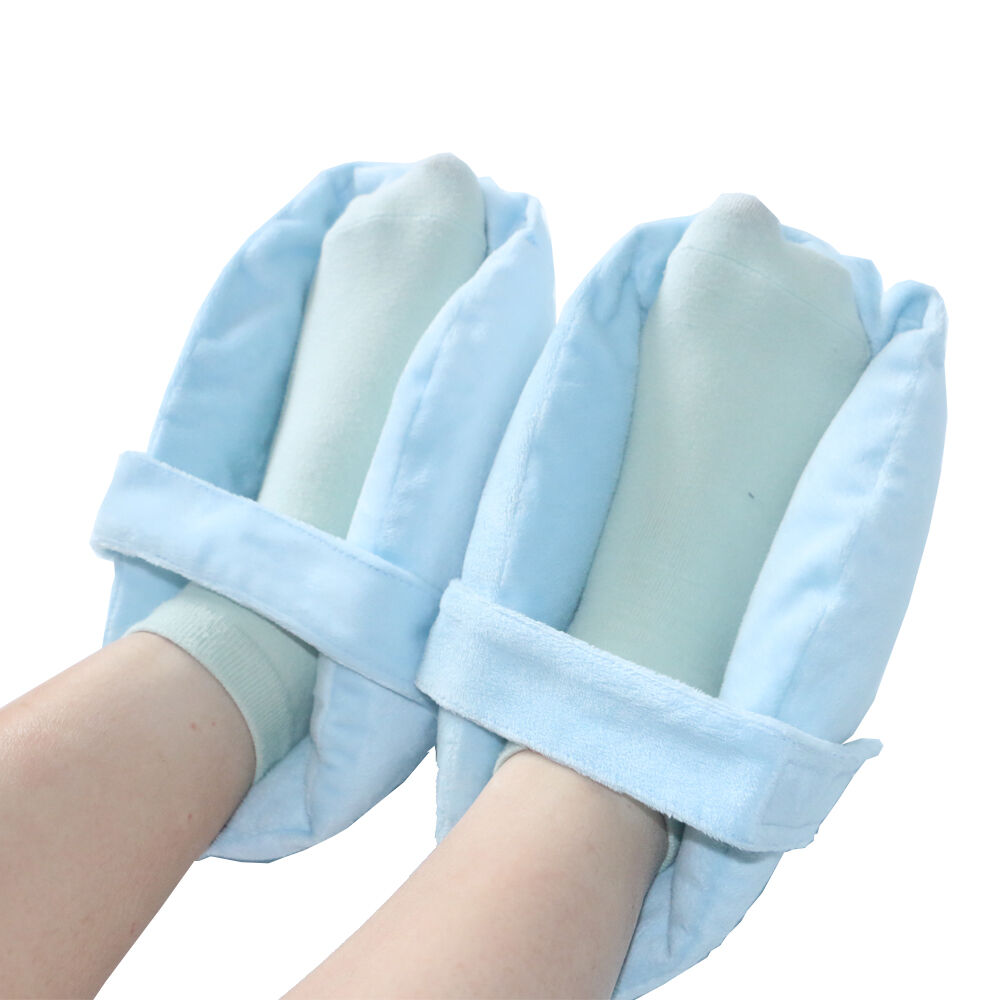
How Heel Cushions Work: Biomechanics of Pressure Redistribution
Load Redistribution at the Calcaneus: Reducing Peak Plantar Pressure
Heel cushions help reduce heel pain by shifting pressure away from the calcaneus, which is basically the big bone at the back of our foot that takes all the pounding when we stand or walk around. Without these supports, most people end up putting way too much pressure on one spot sometimes over 75 Newtons per square centimeter while walking normally. That's not good for anyone's feet! Heel cushions spread out this pressure over a larger area instead. Studies published in Footwear Science last year showed that this approach can cut down on heel pressure between 20% to maybe even 40%. Less pressure means less risk of damaging sensitive tissues and those little nerve endings that send pain signals to the brain. Plus, the shape of good heel cushions actually lifts up the heel slightly, redistributing forces towards areas where there's more padding and better blood flow. This makes walking more comfortable overall and helps keep foot tissues healthy in the long run.
Material Compliance vs. Structural Support: Balancing Comfort and Stability
Good heel cushioning needs to strike a tricky balance between being soft enough to absorb shocks and fit the foot's natural shape, yet firm enough to keep its form when weight is applied and avoid making things unstable. Materials that are too squishy like those cheap foams just flatten out completely and don't help spread pressure around properly. On the flip side, if something is way too hard, it ends up pushing all the pressure into one spot and causes serious discomfort. The best designs combine different layers - usually starting with something soft like gel or memory foam at the bottom, then adding a slightly harder plastic shell on top. This combination works really well for distributing weight evenly. Research shows these types of cushions can keep pressure below about 2 Newtons per square centimeter across the heel area right when someone is standing normally (Journal of Biomechanics had some good data on this back in 2023). They also stop ankles from rolling or shifting inside the shoe. People with diabetes find this particularly helpful because reducing friction and spreading pressure out more evenly helps prevent those painful ulcers that doctors always warn about in their guidelines.
Top Evidence-Based Heel Cushion Types for Clinical Efficacy
Foam Heel Cushions: Density, Durability, and Deformation Limits
Heel cushions made from foam work by spreading pressure across the foot through compression that bounces back to its original shape. Foam that's denser than 25 kg per cubic meter holds up better over time but might need a few days to get comfortable on the feet. Medium density foams give instant relief though they won't last quite as long. Tests have shown that these cushions work best when compressed no more than 15 to 20 percent before losing about a third of their supportive qualities. When it comes to materials, polyurethane stands head and shoulders above budget options, keeping around 90% of its shock absorbing ability even after being worn every day for half a year. Good designs incorporate closed cell structures that keep moisture away from sensitive areas like diabetic patients' feet, shaped heel pockets that help maintain proper foot positioning, and memory foam layers that mold themselves to each person's unique foot shape for personalized comfort.
Gel and Air-Filled Heel Cushions: What Pressure Mapping Studies Reveal
Studies using pressure mapping have shown that gel inserts can cut down on peak plantar pressure anywhere from about 40 to maybe even 60 percent when compared to walking barefoot. Multi chamber designs tend to work much better than just simple single layer versions. Air filled cushions are pretty cool because they adapt as people walk differently, which helps reduce those annoying shear forces by around 35% right at heel strike time. But there are trade offs worth mentioning. Silicone gel stays neutral in terms of temperature but needs to be at least 8mm thick to actually make a difference clinically. Air bladder systems let users customize how firm they want things but come with the downside of slowly losing air over time. Hybrid models combining both gel and air seem to spread out pressure best for folks with rheumatoid arthritis according to some recent research published in The Journal of Foot and Ankle Research. Matching these options properly based on how mobile someone is and their specific risks makes sense if we want to prevent those painful heel pressure injuries.
Specialized Heel Cushions for High-Risk Patients
Sheepskin Heel Cushions: Moisture Control and Shear Reduction in Diabetic and Immobilized Populations
Sheepskin heel cushions offer real benefits for patients who are at higher risk, especially those dealing with conditions like diabetic neuropathy or long periods of not moving around much. The wool in these cushions pulls moisture away from the skin surface, which helps keep things dry under there and stops the skin from getting too wet and soft – something that can lead to pressure sores developing over time. When someone moves even a little bit, the thick layer of sheepskin actually soaks up some of that sliding force, cutting down on skin damage caused by friction. Studies mentioned in the National Pressure Injury Advisory Panel guidelines suggest this can cut friction damage by about 40% when compared to plastic or other man-made options. For people who spend most of their time lying down, these cushions spread out the weight so it doesn't all press down on the heel bone, plus they let air circulate properly. That tackles both problems at once: constant pressure points and dampness, which together create perfect conditions for ulcers to form. Most hospital protocols recommend these types of materials particularly for patients whose skin is already damaged somehow because they allow complete support for the heels without restricting blood flow anywhere else. Getting good results means making sure the cushion touches every part of the foot shape consistently, keeping the Achilles area free from being squeezed too tight, and allowing nurses to check the skin regularly without having to take the cushion off completely each time. From a mechanical standpoint, this approach typically brings down the pressure on the bottom of the feet to levels below what would block small blood vessels (around 32 mmHg), which matches up well with standard pressure relief requirements set by medical professionals.
Selecting the Right Heel Cushion: Key Decision Criteria
When picking out a good heel cushion, there are basically three things practitioners should consider. The first consideration has to do with what the individual actually needs. Heavier patients will need materials that can handle more compression without breaking down over time. For folks with diabetes specifically, we look for options that wick away moisture since dampness can lead to serious skin issues. Material choice matters a lot too. High density foam tends to hold up better when someone stands on it all day long at work, but gel inserts distribute pressure really well until they start to break down after months of daily wear. Lastly, how well the cushion fits inside different types of shoes makes all the difference in practice. Low profile designs work best in most closed toe footwear because they don't mess with normal walking patterns or cause people to walk differently to compensate for bulkiness.
Prioritize cushions that:
- Reduce peak plantar pressure by â¥25%, verified through objective pressure mappingânot subjective comfort reports
- Maintain â¥90% of original thickness after 500+ gait cycles
- Minimize shear forces during heel strike, particularly in patients with sensory deficits
Matching these parameters to how people actually move around and their specific risks is really important for clinicians. Take active folks who are on their feet a lot - they need materials that can handle wear and tear without losing shape, like those tough polymer mixes that resist getting tired over time. But when someone isn't moving much at all, breathability becomes way more critical than anything else. These folks need surfaces that won't rub or irritate skin but still let air circulate properly. Before finalizing any cushion choice, make sure to check against actual pressure measurements rather than just guesswork. This approach lines up with what most foot specialists recommend through their official guidelines from organizations like the American College of Foot and Ankle Surgeons.
FAQ Section
What are heel cushions?
Heel cushions are supportive inserts designed to reduce heel pain by redistributing pressure off the calcaneus, allowing for more comfort during standing and walking.
How do heel cushions help reduce heel pain?
Heel cushions work by spreading out pressure across a larger area, lowering the stress on sensitive heel tissues and nerve endings.
What materials are best for heel cushions?
The optimal heel cushions combine soft materials like gel or memory foam with firmer layers to balance comfort and stability.
Are heel cushions beneficial for diabetic patients?
Yes, diabetic patients especially benefit from heel cushions that reduce friction and pressure, which helps in preventing ulcers.
What types of heel cushions provide the best pressure redistribution?
Foam, gel, and air-filled cushions, particularly hybrid models, offer distinct advantages in distributing pressure evenly and reducing peak plantar pressure.