
 EN
EN


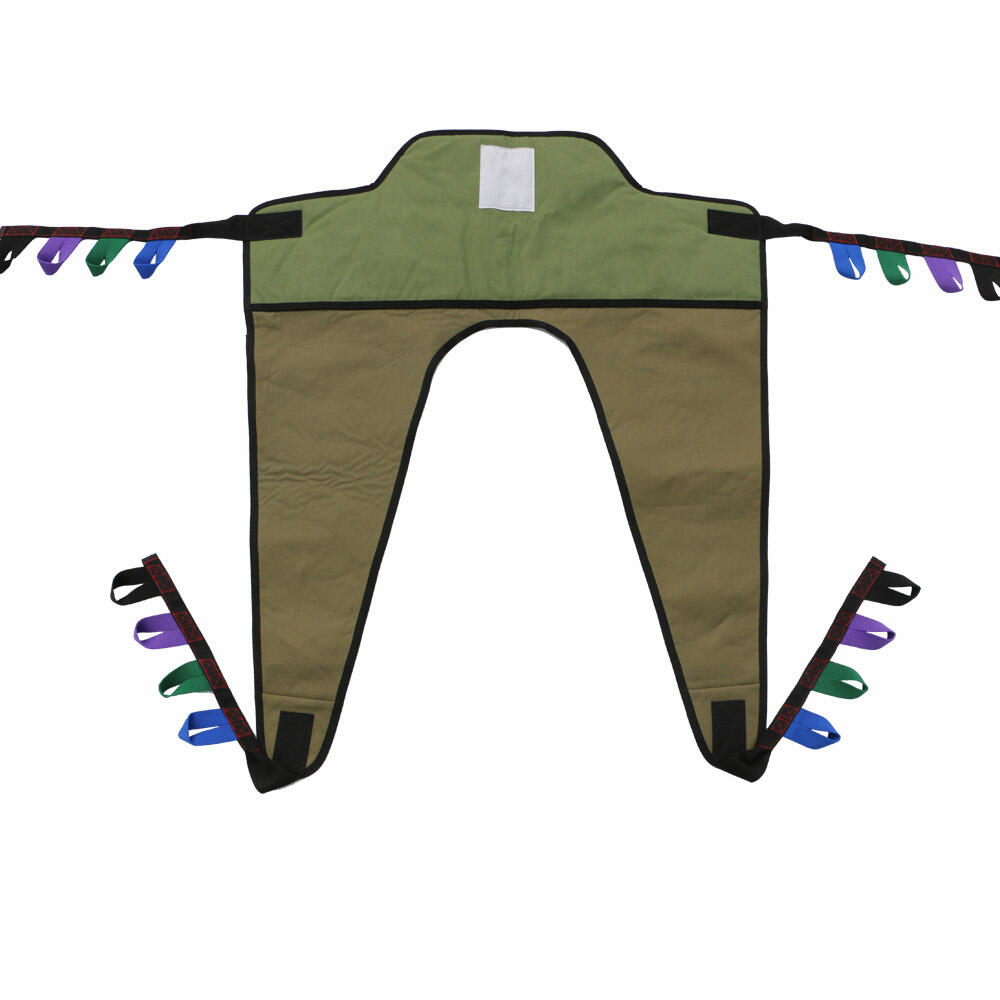
Understanding Sit-to-Stand Slings: Purpose, Benefits, and Clinical Indications
Sit to stand slings serve as mobility helpers that help people move from sitting to standing positions safely. These devices maintain some level of weight bearing during transitions, which makes them particularly beneficial for therapy purposes. Unlike traditional lifting methods, these slings encourage actual movement instead of just hanging someone up. This approach cuts down on the physical toll for caregivers and also minimizes the chance of patients falling. According to studies in ergonomics, workplaces can actually save around 34% on injury related costs when using this type of equipment regularly.
Clinically, these slings are indicated for patients who demonstrate:
- Partial weight-bearing capacity
- Sufficient upper body control
- Cognitive ability to follow simple, sequential instructions
Using sit-to-stand slings offers several therapeutic advantages. They help maintain muscle tone, boost blood circulation, and work well with the overall goals of functional rehab programs. When patients regularly use these devices, they build better upright tolerance and start to retrain their neuromuscular systems. For people recovering from strokes, managing Parkinson's symptoms, or going through post surgery rehab, these slings become really important tools. According to research published by Mobile Patient Lift, simply standing up instead of being fully lifted reduces the chances of developing pressure sores by around 27%. That's a significant difference for anyone spending long periods in bed or seated positions.
Three evidence-backed benefits underscore their value:
- Fall Prevention: Stabilized, cooperative transfers lower fall rates by 41% in long-term care settings
- Functional Independence: 78% of users report increased participation in daily activities
- Caregiver Safety: Reduces back injury risk by 53% during transfers
Pre-Use Safety Assessment and Proper Sit-to-Stand Sling Setup
Patient Eligibility Screening: Weight-Bearing Status and Cognitive Readiness
Clinicians need to check two important things before proceeding: making sure patients have the ability to bear some weight and that they're mentally ready for the task. Just looking at a diagnosis isn't enough when determining if someone qualifies. We actually need to test their leg strength because relying solely on passive lifting methods can lead to instability problems and injuries to soft tissues. The mind matters too. Patients should be able to follow instructions like pushing with their legs or holding onto handles during transfers. A recent study from 2023 showed that about three quarters of all transfer accidents happened because patients didn't meet these mental requirements. Don't forget to write down any absolute reasons why someone shouldn't be moved at all. This includes conditions like bad osteoporosis, someone who had hip or thigh surgery recently, or those dealing with unstable blood pressure changes when standing up. Keeping track of these red flags helps avoid putting anyone in dangerous situations during mobilization attempts.
Equipment Inspection and Secure Attachment Protocol
Perform a visual and tactile inspection before every transfer: check sling fabric for fraying or compromised stitching, confirm buckles engage securely, and verify lift mechanisms operate smoothly without hydraulic leaks or jerking motion. When attaching the sling, follow manufacturer diagrams precisely:
- Position thigh supports at mid-femur (never behind the knees, to avoid popliteal compression)
- Align the back panel vertically with natural spinal curvature, starting from the sacrum
- Fasten chest clips at sternum level not higher (risking airway compromise) or lower (reducing thoracic stability) Complete a controlled weight test at 6 inches of elevation to assess even load distribution, patient comfort, and strap integrity before proceeding to full lift.
Step-by-Step Sit-to-Stand Sling Application and Transfer Technique
Correct Positioning, Strap Routing, and Patient Alignment
Get the patient seated near the front edge of the chair with both feet firmly planted on the ground and balanced properly. Align the back support so it runs straight down the middle of their spine starting just above the tailbone area and continuing up to where the rib cage curves inward. Make sure those shoulder straps go under the armpits instead of resting on any bony parts of the body, and always check that the product labels are visible outside for easy reading later. When securing the legs, cross the straps below the thighs but definitely avoid placing them around the calves or behind the knees as this helps create better stability when standing up. Before fastening everything completely, run any extra strap material through the buckles first. Double check that everything looks symmetrical on both sides - same length straps, no wrinkles in the fabric that could cause skin issues, and make certain the pelvis is in a neutral position with hips facing forward and knees bent at about a right angle. Proper setup like this makes all the difference in how much effort is needed to stand up and keeps the person from leaning sideways unexpectedly.
Executing the Lift: Timing, Communication, and Postural Support
Start the lifting process with a simple count like "Stand on three" so that the caregiver's movements match when the patient begins shifting their weight naturally. Support should be strong but gentle, focusing on the shoulder blades and hips area to keep someone upright and prevent them from leaning forward. Raise the person gradually, matching the pace they'd use when extending their hips normally, about 2 to 3 seconds total while letting their legs do most of the work. Give short commands during this time too: tell them to push through those heels, remind them to keep the chest lifted, and ask them to straighten up slowly. If things start feeling unstable at any point, stop right away. Move their feet into better position, help redistribute their weight properly, then check again whether they're ready to continue. Once standing, stay close for around 3 to 5 seconds until balance feels solid before attempting any turns or walking. Studies published in the Rehab Therapy Journal back in 2023 showed that following these steps carefully can cut down fall risks by nearly two thirds compared to just rushing through or staying quiet during transfers.
Selecting the Right Sit-to-Stand Slings for Mobility Goals and Care Settings
Back/Shoulder vs. Full-Body Hybrid Designs for ADL and Therapeutic Standing
Sit-to-stand slings that focus on the back and shoulders help stabilize the torso for folks who still have good leg strength and mental awareness. These are great for everyday tasks that require moving around frequently, like going to the bathroom or having meals at the table. What makes them stand out is how they keep the arms free to move, which actually encourages patients to stay involved in their own care process rather than just being passive recipients. On the flip side, full body hybrid slings come with padded leg straps and specially shaped chest panels that give much broader support. They're particularly important for individuals dealing with weak trunks, balance issues from inner ear problems, or those recovering from neurological injuries that need sustained upright positioning. Research indicates these hybrid systems cut down on the physical strain caregivers experience by roughly 40% when helping someone stand for longer periods. For most day-to-day living situations at home or in assisted living facilities, the back/shoulder style sling tends to work best since it supports independence. But in rehab centers where getting proper posture right, building endurance, and working on muscle coordination matter most, the full body option becomes the better choice.
FAQs
What are sit-to-stand slings used for?
Sit-to-stand slings are used to assist individuals in moving safely from a sitting to a standing position, promoting mobility while maintaining weight-bearing during transitions.
Who should use sit-to-stand slings?
Sit-to-stand slings are typically recommended for patients who have partial weight-bearing capacity, sufficient upper body control, and the cognitive ability to follow simple instructions.
How do sit-to-stand slings benefit users?
These slings help maintain muscle tone, improve blood circulation, aid in functional rehab, and significantly reduce pressure sores and fall risks in long-term care settings.
How should sit-to-stand slings be set up?
Proper setup involves positioning supports at mid-thigh, aligning the back panel to the spinal curve, and securing chest clips at sternum level, followed by a controlled weight test for safety.