
 EN
EN



Ensuring Safety and Hygiene with a Toileting Sling
The Importance of a Toileting Sling in Patient Care
Enhancing Safety During Transfers
Toileting slings play a crucial role in enhancing safety for both patients and caregivers during transfers. These tools significantly reduce the risk of injury by providing stable support, making transitions smoother and more controlled. Evidence from healthcare statistics indicates that using a toileting sling can decrease fall rates among elderly patients by up to 40%. Such a notable reduction highlights the effectiveness of these devices in minimizing accidents and promoting safe movement. Toileting slings are designed with secure buckles and adjustable straps, ensuring optimal safety during usage. Their robust construction and adaptability offer both comfort and protection, which are essential in a caregiving setting.
Maintaining Hygiene with Specialized Design
Maintaining hygiene is paramount in healthcare settings, and toileting slings excel in this area with their specialized design. These slings often incorporate materials that are easy to clean and resistant to staining, addressing hygiene concerns effectively. Their design includes moisture-wicking fabrics that keep patients dry and comfortable, which is vital for overall patient well-being. Research from health organizations supports that the use of hygienically designed transfer equipment reduces the risk of Healthcare-Associated Infections (HAIs). This means that choosing a medical transfer sling specifically crafted with hygienic materials not only protects the patient but also enhances the safety and professionalism of the care environment.
Key Features of an Effective Toileting Sling
Durable Materials for Medical Use
The use of heavy-duty, high-quality materials is paramount in extending the lifespan of medical transfer slings. In medical environments, slings are subjected to frequent use and must withstand wear and tear while maintaining their functionality and safety. Statistics demonstrate that slings made from reinforced fabrics considerably reduce replacement costs due to their prolonged durability. To ensure both patient safety and product longevity, it's essential to adhere to certification standards for medical materials, meeting rigorous testing requirements synonymous with high durability.
Ergonomic Support for Patient Comfort
Ergonomically designed portable transfer slings greatly enhance patient comfort during transfers. When a sling is shaped to the human body, it allows for improved cooperation from patients, leading to a smoother caregiving experience. Feedback from users consistently highlights that slings with contoured support help alleviate pressure points, reducing discomfort significantly. By minimizing anxiety and promoting relaxation, ergonomic slings facilitate a more seamless and effective transfer process, especially in healthcare settings where comfort is crucial.
Weight Capacity and Size Variations
Toileting slings should be manufactured with a range of sizes and weight capacities to address the diverse needs of patients. According to market data, offering customizable sling options enhances accessibility for a broader range of patients, ensuring that every individual receives the appropriate support during transfers. Moreover, it's crucial to effectively communicate the maximum weight capacity to caregivers, as it constitutes a regulatory requirement pivotal for ensuring patient safety. Understanding these specifications can prevent misuse of transfer slings and promote optimum care for seniors and individuals with varying needs.
Top Toileting Sling Solutions
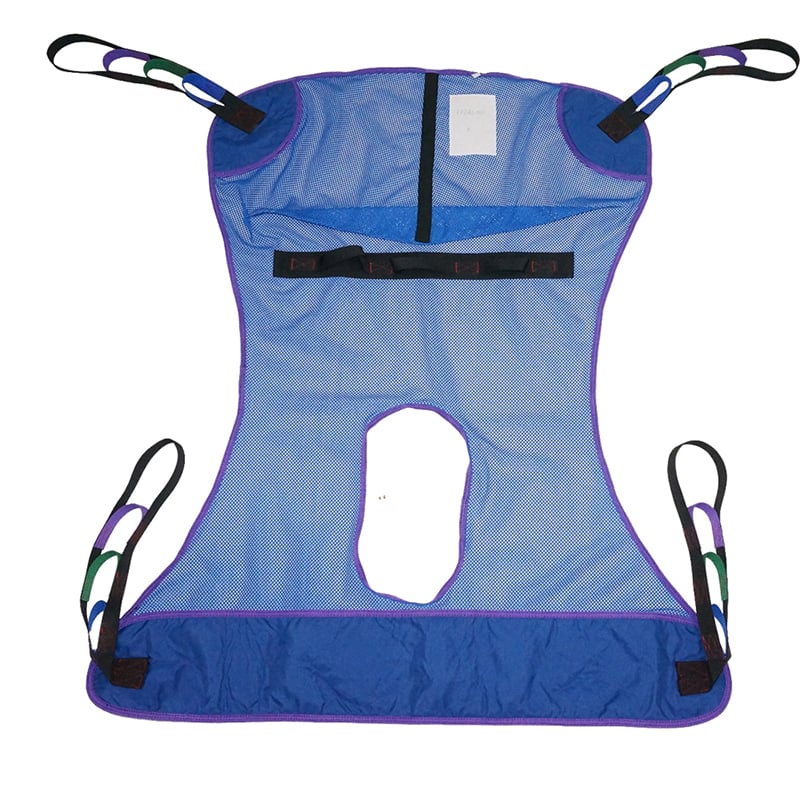
Mesh Full Body Sling with Commode Cut-Out (CGSL208)
The Mesh Full Body Sling with Commode Cut-Out (CGSL208) is an exceptional choice for those seeking comfort and practicality in toileting sling solutions. This model is specifically designed with a breathable mesh fabric which facilitates air circulation, making it comfortable for long-term use. It's also equipped with a commode cut-out, allowing for easy access during toileting, which is crucial in maintaining the patient’s dignity and comfort. Healthcare providers frequently appreciate the effectiveness of this sling in both acute and long-term care settings, highlighting its utility for varied patient needs.
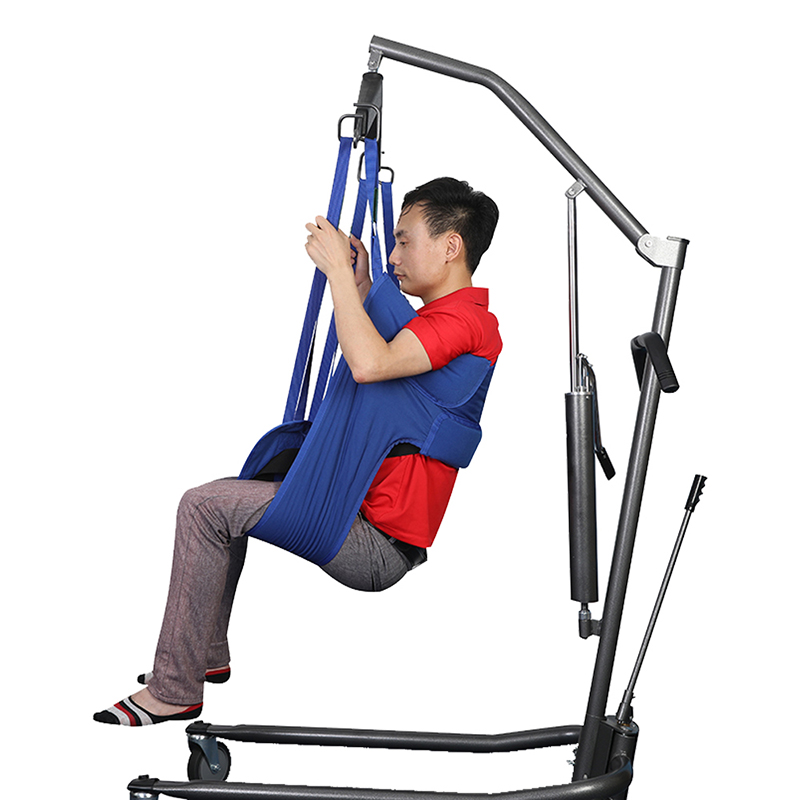
Deluxe Padded Toileting Sling (CGSL220)
The Deluxe Padded Toileting Sling (CGSL220) sets a standard for patient comfort in padded toileting slings. Its deluxe padded design significantly reduces the risk of skin irritation, a concern often flagged by healthcare staff. Caregivers have noted the security and extra support provided by the thick padding, which enhances confidence during patient transfers. Furthermore, the sling caters to different body types with its adjustable straps, ensuring a snug fit and improved safety for all users.
Best Practices for Using Transfer Slings
Proper Sanitization Protocols
Establishing effective sanitization protocols is vital in preventing infections when using medical transfer slings. Healthcare settings necessitate rigorous cleaning procedures based on recommendations from the Centers for Disease Control and Prevention (CDC) to ensure compliance and safety. For instance, the CDC advises using EPA-registered disinfectants and ensuring regular cleaning schedules for all patient care equipment, including transfer slings. Statistics show that adhering to these guidelines can reduce infection risks by up to 30%, underscoring the importance of proper sanitation. By prioritizing transfer sling hygiene, we contribute significantly to maintaining a safer healthcare environment.
Safe Transfer Techniques for Caregivers
Caregivers must employ safe transfer techniques to minimize strain and prevent injuries when using transfer slings for seniors or patients. Proper body mechanics involve making use of leverage and maintaining a stable stance, which are crucial in safeguarding both caregivers and patients during transfers. Studies reveal that implementing standardized techniques can reduce caregiver injury rates by over 50%. This evidence highlights the importance of training caregivers in these techniques, ensuring that they can handle transfer slings with confidence and safety, ultimately providing better care for those in need.
Choosing the Right Transfer Sling
Assessing Patient Mobility Needs
Choosing the right medical transfer sling begins with a comprehensive assessment of the patient's mobility needs. As caregivers, we must thoroughly evaluate each patient's movement capabilities to ensure the transfer sling selected aligns with their specific requirements. Utilizing specialized mobility assessment tools can offer valuable insights into what the patient can achieve independently and where they might require support. These tools play a critical role in understanding a patient's limitations and abilities, which is crucial for safe transfer sling use. Additionally, consulting with occupational therapists can provide expert guidance, ensuring a more personalized approach to choosing the optimal transfer sling for each patient.
Portability vs. Support Considerations
Finding the right balance between portability and support is essential when selecting a transfer sling. We must consider the patient's need for a medical transfer sling that is both easy to manage and provides sufficient support. While slings made of lightweight materials enhance portability and can be convenient for frequent use, there might be a trade-off with the level of support they provide. However, recent user trials show that well-engineered, portable transfer sling options can meet support needs without compromising portability. It's crucial to evaluate these factors in line with patient requirements, ensuring that the transfer sling chosen promotes both comfort and safety.