 EN
EN



Comfort Optimization Techniques for Transfer Slings in Medical Transportation
Understanding Transfer Slings Comfort Factors
The Role of Material Breathability in Skin Health
Material breathability is a critical factor in maintaining skin health, especially when using transfer slings that have prolonged direct contact with the skin. Breathable materials like moisture-wicking fabrics play an essential role in preventing skin irritation and rashes by facilitating airflow and reducing moisture buildup. This is particularly important in clinical settings where patients are susceptible to skin conditions due to immobility or sensitive skin. Health studies consistently demonstrate that breathable materials can significantly mitigate the risk of skin issues, underscoring their importance.
Different types of breathable fabrics are used in transfer slings, each with its advantages and disadvantages. Cotton is known for its natural breathability and softness, making it an excellent choice for comfort. However, it is less durable compared to synthetic blends that offer strength and flexibility. Synthetic fabrics, on the other hand, provide enhanced durability and elasticity but may not be as soft as natural fibers. It's essential to weigh these pros and cons when selecting materials for medical lifting equipment.
Inappropriate material choices can lead to adverse skin health outcomes. Statistics reveal that the incidence of skin breakdowns and pressure sores increases significantly when non-breathable materials are used. Ultimately, choosing the right fabric can have a profound impact on patient comfort and health, making it a vital consideration in sling design.
Ergonomic Considerations for Pressure Distribution
Ergonomic design in transfer slings is paramount for effective pressure distribution, which can significantly reduce the risk of pressure sores and enhance patient comfort. When ergonomic principles are applied, the sling can evenly distribute the patient's weight, minimizing localized pressure that often leads to skin breakdown. This design approach not only enhances comfort but also improves safety during transfers.
Case studies have shown that patients experience improved outcomes when ergonomic designs are integrated into transfer slings. For example, sling designs that incorporate supportive padding and tailored shapes have led to reduced incidences of pressure-related injuries. These studies highlight the importance of applying ergonomic principles to enhance the utility and effectiveness of medical lifting devices.
Expert opinions from ergonomists stress the importance of optimizing sling shapes and supports. According to ergonomists, features such as contoured designs and adjustable supports are crucial for catering to various body types and ensuring even pressure distribution. By considering these expert recommendations, manufacturers can design slings that not only meet safety standards but also prioritize patient comfort.
Sizing Impacts on Patient Security and Comfort
Proper sizing of transfer slings is critical for ensuring both patient security and comfort. An ill-fitting sling can lead to significant discomfort and even accidents during the transfer process. For instance, a sling that's too small may cause constriction, while one that's too large might lead to instability. Hence, ensuring a tailored fit is essential for facilitating safe and comfortable transfers.
Evidence from clinical practices supports the necessity of proper sling sizing for positive rehabilitation outcomes. Correctly sized slings have been associated with reduced injury risks and improved patient satisfaction. This correlation highlights the importance of individualized sizing in promoting effective and safe patient handling.
Here are recommended sizing guidelines based on patient anatomy and condition:
- Measure the patient's height and weight to select the appropriate sling size.
- Ensure the sling supports the entire back and shoulders without bunching.
- Choose adjustable slings that allow for minor adjustments to accommodate bodily changes or specific needs.
- Regularly reassess the fit especially if there are significant changes in the patient's condition or body weight.
Adhering to these guidelines can greatly enhance both the safety and comfort of the patient during transfers.
Material Innovations for Comfort Optimization
Breathable Sandwich Mesh Technology Benefits
Sandwich mesh technology in transfer slings offers significant comfort by enhancing airflow and moisture control. This innovative fabric construction ensures that heat and moisture are effectively wicked away from the body, minimizing the risk of overheating during extended use. The material's structure incorporates layers that allow air to flow freely, contributing to a cooler and more comfortable position for the patient. Moreover, sandwich mesh technology is not only about comfort but also durability. Its robust design can withstand the wear and tear of regular use, ensuring long-term comfort and value for caregivers and patients alike. Experts and user testimonies consistently highlight the comfort improvements this technology provides, making it a preferred choice for maintaining patient welfare during transfers.
Non-Slip Inner Surfaces for Position Retention
Non-slip inner surfaces play a critical role in maintaining patient safety during transfers, addressing a common concern with conventional slings. These surfaces are designed to grip effectively, preventing slips that could lead to accidents. Detailed product testing data shows that these features significantly reduce transfer risks by ensuring that patients remain securely in place throughout the process. Caregivers often express increased confidence when using slings with non-slip features, as they can rely on the added stability these surfaces provide. The feedback highlights how these surfaces enhance the overall safety and effectiveness of transfer techniques, reinforcing their importance in patient and caregiver safety measures.
Padded Handle Designs for Caregiver-Patient Synergy
Padded handle designs in transfer slings contribute to reducing caregiver strain, providing a more secure, comfortable grip during patient handling. By minimizing physical stress on caregivers, these handles facilitate safer and more efficient patient transfers. Ergonomic research supports the use of padded handles as they help lower the risk of injury, further enhancing caregiver comfort and operational effectiveness. Case studies have shown that incorporating padded handles not only results in fewer injuries among caregivers but also leads to improved overall efficiency in patient management. These designs ensure that both patient and caregiver needs are met, promoting a harmonious and productive environment.
Ergonomic Transfer Techniques
Positioning Protocols for Minimal Discomfort
Ensuring minimal discomfort during patient transfers is crucial for both safety and well-being. Effective positioning strategies help achieve this goal by adhering to expert guidelines and best practices. According to healthcare professionals, these methodologies enhance comfort while mitigating risks. Common techniques include assessing the patient’s physical capabilities, planning the transfer meticulously, and using appropriate equipment like slide sheets or transfer belts.
Here's an ordered list of positioning techniques:
- Assess the Patient: Evaluate weight-bearing ability and mobility restrictions.
- Gather Equipment: Prepare necessary aids such as slide sheets.
- Communicate Clearly: Inform patients and coordinate with colleagues.
- Execute Proper Body Mechanics: Bend knees, use core strength.
- Use Aids Wisely: Employ transfer belts for additional support.
By following these protocols, caregivers can create a safer, more comfortable transfer environment that prioritizes the patient’s dignity and reduces discomfort.
Weight Distribution Best Practices
Understanding weight distribution is fundamental to reducing strain during patient transfers. Proper techniques ensure the safety and comfort of both patients and caregivers. Studies highlight successful methods that alleviate physical strain, promoting smoother transitions and minimizing injury risks. Key techniques involve maintaining balance, employing core muscles over back muscles, and coordinating movements efficiently.
Here’s a list of best practices for weight distribution:
- Assess Initial Position: Ensure the patient is aligned properly.
- Maintain Balance: Keep feet shoulder-width apart.
- Use Core Muscles: Emphasize leg and abdominal strength.
- Keep Spine Neutral: Avoid twisting movements.
- Coordinate Actions: Work synchronously with other caregivers.
Implementing these practices not only enhances safety but also contributes to effective and harmonious transfers, fostering a supportive environment for all involved.
Communication Methods During Transfers
Clear communication plays a pivotal role in enhancing safety and comfort during patient transfers. Effective interaction between caregivers and patients reduces incidents and builds trust. Evidence shows that facilities employing structured communication protocols experience lower incident rates. Implementing strategies like pre-transfer briefings encourages patient cooperation and caregiver coordination, resulting in smoother processes.
Strategies for implementing communication protocols include:
- Pre-Transfer Briefing: Explain the process to the patient.
- Use Supportive Language: Offer reassurance and guidance.
- Encourage Feedback: Listen to patient concerns.
- Collaborate with Colleagues: Assign roles and plan steps.
- Debrief Post-Transfer: Discuss successes and areas for improvement.
By integrating these techniques, caregivers foster an environment centered around patient safety, confidence, and comfort during each transfer, affirming the value of thoughtful planning and interaction.
Optimized Transfer Sling Solutions
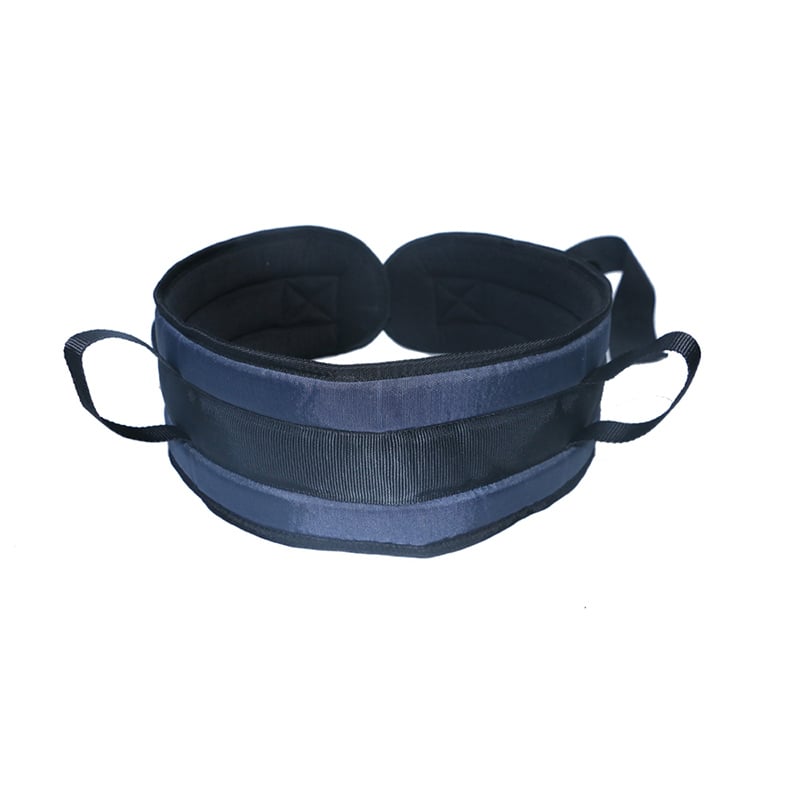
Transfer Sling Gait Belt-CGSL275
The Transfer Sling Gait Belt-CGSL275 is designed to enhance both comfort and security during patient transfers. This belt features a construction of strong nylon fabric with reinforced stitching, ensuring durability, while the padded handles provide a comfortable and secure grip. The non-slip inner surface prevents the sling from shifting during movement, which is particularly beneficial for individuals transitioning from wheelchairs or beds. Users have lauded this product for its innovative design, with many caregivers highlighting its ease of use and reliable performance. Notably, older adults and individuals with mobility challenges benefit significantly from this gait belt, as it facilitates smoother and safer transfers.
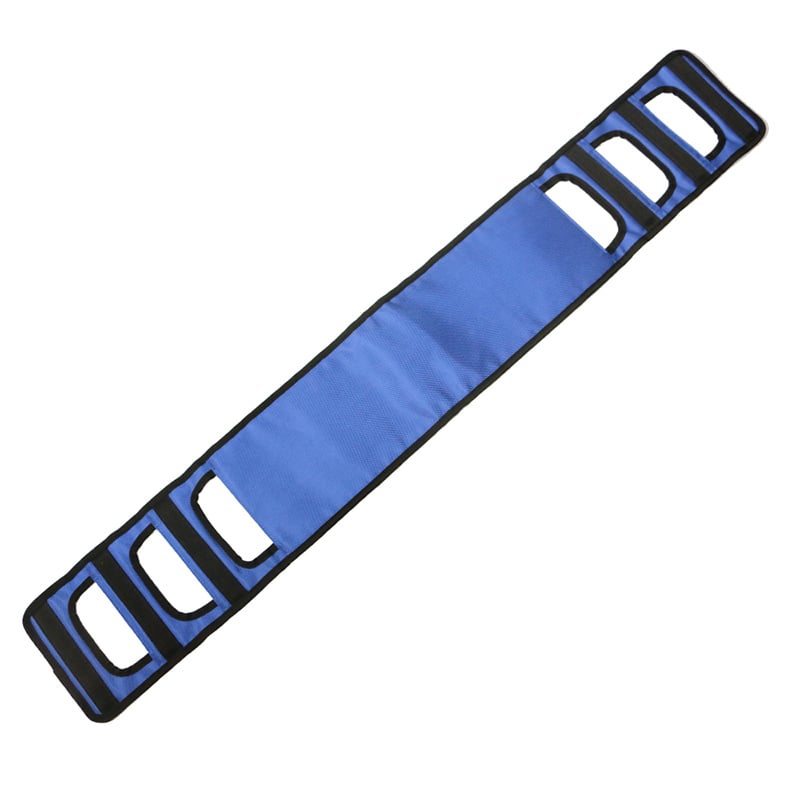
Patient Transfer Gait Belt-CGSL281
The Patient Transfer Gait Belt-CGSL281 stands out for its unique features tailored to offer both comfort and usability. Designed to streamline the transfer process, it facilitates easy movement from bed to chair or toilet, thanks to its quick buckle system which is easily adjustable. Reinforced padded handles ensure a secure grip for caregivers, reducing strain during transfers. Healthcare professionals frequently commend this gait belt for its efficacy in diverse care environments, from hospitals to home care settings. It adheres to industry safety standards, reinforcing its reputation for reliability and quality in patient handling.