
 EN
EN



Safety Enhancement Strategies with Patient Gait Belts in Rehabilitation Settings
The Critical Role of Patient Gait Belts in Rehabilitation Safety
Fall Prevention Mechanisms
Gait belts significantly reduce the incidence of falls in rehabilitation settings by providing caregivers with better stability and control over patient movements. These assistive devices ensure patient safety during ambulation by minimizing the risk of unexpected slips or falls. According to a study published by a reputable healthcare organization, the implementation of gait belts led to a remarkable decline in fall rates by up to 60%. This highlights their importance in maintaining rehabilitation safety. However, the efficacy of gait belts as fall prevention tools is maximized only with proper training and usage. Caregivers must be adequately educated on the correct methods of using gait belts to ensure they can provide optimal support and reduce injuries during patient transfers.
Reducing Caregiver Injury Risks
Gait belts play a pivotal role in reducing the risk of caregiver injuries by offering better control over patients' movements, thus alleviating physical strain during patient handling. These belts enable caregivers to maintain a secure grip, which prevents sudden unpredictable movements that can lead to debilitating injuries. A survey conducted across multiple healthcare facilities reported a significant decrease in caregiver injury rates after the introduction of gait belts, affirming their effectiveness. Furthermore, from an ergonomic perspective, gait belts support safer patient handling practices, reducing physical exertion and enhancing caregiver safety within healthcare environments.
Enabling Therapeutic Mobility
Gait belts not only enhance safety but also enable therapeutic mobility, thereby promoting greater independence in patients undergoing rehabilitation. By using gait belts, therapists and caregivers can encourage patients to engage in more dynamic rehabilitation exercises. This not only aids in physical recovery but also improves patient confidence. Therapists have reported noticeable progress in patient mobility and independence when gait belts are used regularly during therapy sessions. The structured support offered by gait belts fosters improved rehabilitation outcomes, allowing patients to achieve significant milestones in their recovery journey.
Optimal Techniques for Patient Gait Belt Implementation
Proper Fitting and Positioning
Properly fitting and positioning a gait belt is crucial for ensuring patient safety and comfort. First, place the gait belt around the patient's waist just above the hips, ensuring the buckle is in the center. It's important to adjust the belt so that it's snug but not too tight, allowing room for two fingers to slide between the belt and the patient's body. According to experts, improper fitting can lead to ineffective use and potential accidents, highlighting the necessity for correct procedures. Occupational therapists recommend securing the belt with the patient scooted forward, knees bent at less than a 90-degree angle, and feet flat on the floor. This setup helps in maneuvering the patient safely while minimizing discomfort.
Transfer and Ambulation Protocols
Implementing proper protocols for patient transfer and ambulation using gait belts is a key safety measure. These protocols emphasize guiding patients securely from a sitting to a standing position and vice versa. For instance, caregivers should grasp the belt at the patient's sides during transfers to maintain stability. During ambulation, they should walk hip-to-hip with the patient, holding the belt underneath at the back for control. It's imperative that staff receive thorough training in these protocols, ensuring they can handle common scenarios such as helping a patient walk across a room or maneuver through tight spaces confidently. Proper training ensures that caregivers can execute these tasks without compromising patient safety.
Contraindications and Limitations
It's essential to be aware of contraindications and limitations associated with gait belt use. Gait belts should not be used on patients with specific medical conditions like abdominal or chest tubes, open wounds, or ostomies, as their use might aggravate these conditions. Before employing a gait belt, caregivers must assess a patient’s individual needs to determine eligibility. For cases where gait belts are contraindicated, such as patients needing complete support, other transfer aids should be considered. These might include lifts or slide sheets, offering safer alternatives for patient handling. Understanding these limitations and having alternate solutions ensures comprehensive patient care without unnecessary risk.
Complementary Safety Equipment and Strategies
Overhead Harness Systems Comparison
When evaluating safety options in rehabilitation environments, it's essential to compare gait belts to overhead harness systems. Overhead harness systems offer full-body support and stability, accommodating patients with significant mobility challenges by suspending them, reducing the risk of falls. In contrast, gait belts provide a hands-on approach, granting caregivers more tactile control during patient transfers. These systems serve different needs; while overhead harnesses are ideal for patients requiring extensive support, gait belts offer flexibility for those who are partially mobile. Optimal choices depend on the patient's mobility, environmental constraints, and specific rehabilitation goals.
Integrating Slide Sheets and Transfer Aids
Slide sheets are a valuable complement to gait belts, enhancing patient safety during transfers. These low-friction sheets reduce physical strain on both patients and caregivers, facilitating smoother movements. According to studies, integrating slide sheets with gait belts can significantly lower injury rates among caregivers. To maximize safety, it is crucial to incorporate an array of transfer aids tailored to meet individual patient needs. Adopting such best practices—using the right combination of slide sheets and gait belts—ensures a more efficient and safer patient transfer process, highlighting the importance of multidisciplinary safety aids in patient care.
Environmental Risk Mitigation
Mitigating environmental risks in rehabilitation settings is paramount for the safe use of gait belts. Identifying hazards such as uneven flooring or cluttered pathways is essential, and instituting regular safety audits can be beneficial. Formal guidelines advise maintaining clear, obstacle-free spaces to enable smooth patient transport. Additionally, case studies from various institutions demonstrate that policy changes—like enforcing regular staff training on environment management—significantly enhance safety outcomes. By fostering a culture of vigilance and safety, we can create an optimal environment for both patients and caregivers, directly impacting the efficacy of gait belt usage.
Recommended Patient Gait Belts and Transfer Solutions
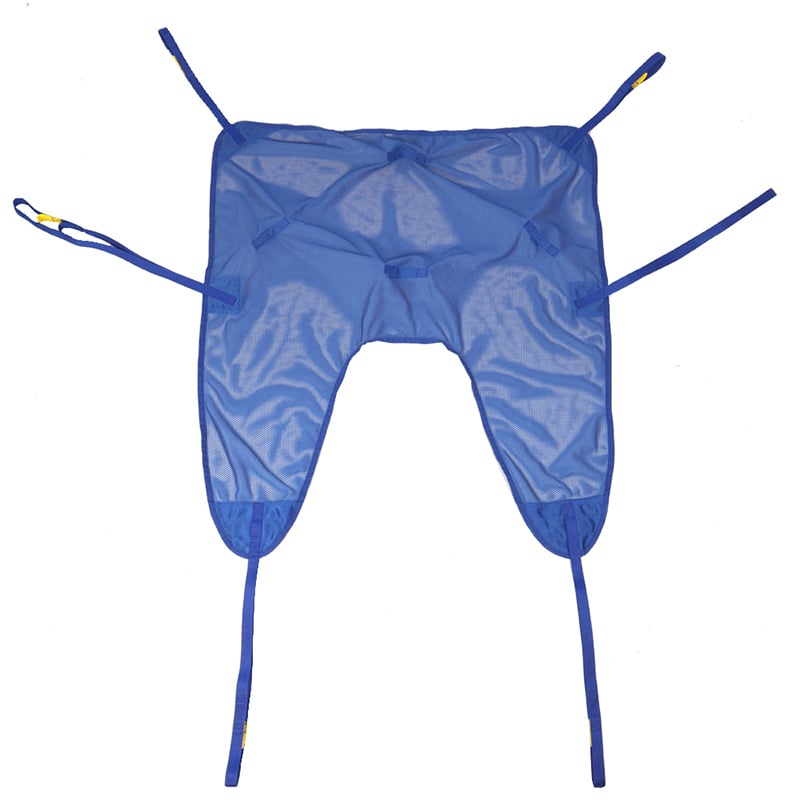
Mesh Divided Leg Sling-CGSL229
The Mesh Divided Leg Sling-CGSL229 is renowned for its thoughtful design and high durability. This sling supports a weight capacity of up to 600 pounds and is crafted from breathable mesh fabric, ideal for both bathing and toileting tasks. Patients and caregivers alike commend its versatility, with adjustable hanging loops that accommodate different heights for a more personalized experience. Compared to similar products on the market, the CGSL229 distinguishes itself with its superior material quality and user-friendly features, catering to the diverse needs of rehabilitation environments.
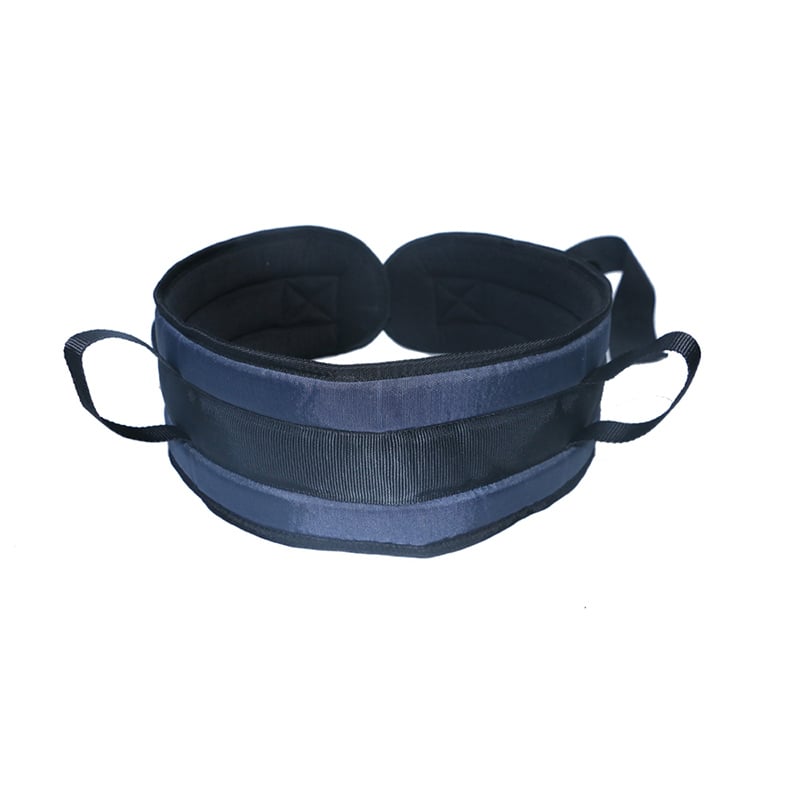
Patient Transfer Gait Belt-CGSL281
The Patient Transfer Gait Belt-CGSL281 is designed to provide an efficient and secure method of transferring patients. Key features include a quick buckle for easy adjustment and removal, along with reinforced padded handles for a comfortable grip. Clinicians frequently highlight its practicality in clinical settings, supported by user ratings emphasizing its robust performance and ease of use. Despite the competitive prices of similar transfer solutions in the market, the CGSL281 offers unmatched value through its reliability and adaptability, proving to be a cost-effective option for both home and institutional care.
Training Protocols for Rehabilitation Teams
Competency Assessment Frameworks
Establishing competency assessments for rehabilitation team members handling gait belts is crucial for ensuring patient safety and effective care. These frameworks evaluate the skills and knowledge necessary to handle patients using gait belts in various scenarios. In rehabilitation facilities, models like structured competency checklists and periodic skills assessments are commonly implemented. These tools help maintain high standards of care by regularly updating staff skills. Data consistently shows improved patient outcomes when staff undergo thorough training assessments, underscoring the vital role of competency frameworks in rehabilitation settings.
Emergency Response Drills
Incorporating emergency response drills into training activities is essential for preparedness in patient handling circumstances. These drills simulate real-life emergency scenarios, emphasizing the quick and efficient use of gait belts during unexpected situations. Best practices include conducting regular, scenario-based drills focusing on patient safety and swift responses. Facilities that regularly engage in these drills report enhanced staff preparedness, with statistics highlighting significant improvements in response times and safety measures. These exercises are vital in ensuring that rehabilitation teams can handle emergencies efficiently and with confidence.
Documentation Best Practices
Effective documentation in the use of gait belts is a cornerstone of rehabilitation practice, enhancing both patient safety and compliance with regulations. Proper record-keeping, such as documenting belt use, patient responses, and any incidents, contributes to comprehensive patient care plans. Recommended practices include structured record sheets and digital logs that ensure thorough and accurate tracking of gait belt use. This meticulous documentation supports compliance with healthcare standards and provides valuable insights into care quality, thus playing an integral role in optimizing rehabilitation outcomes.