 EN
EN



Design and Functionality of Patient Lift Slings for Easy Transfer
Key Design Elements of Patient Lift Slings
Ergonomic Contouring for Patient Comfort
Patient lift slings with ergonomic designs significantly enhance comfort by conforming to the body's natural curves. These designs offer superior support and help minimize pressure points, effectively reducing discomfort during transfers. Studies have shown that when patients are comfortable, their anxiety levels decrease, leading to a more pleasant transfer experience and potentially better health outcomes. Various levels of contouring are available in these slings, catering to different body types and medical requirements. Whether it's a sling with a simple contour for daily use or more advanced designs for patients with specific needs, ergonomic features remain crucial in ensuring patient comfort.
Adjustable Straps & Secure Fastening Systems
Adjustable straps are essential components of patient transfer equipment, allowing for a customized and secure fit for individuals of varying sizes. By tailoring the sling's fit, caregivers can significantly reduce the risk of slippage or accidents during patient transfers. A report from the Healthcare Ergonomics and Patient Safety Institute indicates a marked decrease in incidents when secure fastening systems, such as buckles, loops, and Velcro, are employed. These systems ensure stability and security, accommodating the dynamic needs of patient movements and providing peace of mind for both caregivers and patients during transfers.
Weight Distribution Patterns
Understanding weight distribution patterns is critical in preventing injuries during patient transfers—for both the patient and the caregiver. Proper design ensures that weight is evenly distributed across the sling, significantly minimizing the strain on pressure points and allowing for more efficient and safer transfers. Studies have highlighted the importance of designs that account for weight distribution, contributing to decreased caregiver injuries, especially those related to manual lifting tasks. For instance, the Occupational Safety and Health Administration (OSHA) regularly emphasizes the importance of proper lifting techniques to mitigate musculoskeletal injury risks in caregivers, underscoring the value of strategically designed transfer slings.
Functional Features Enhancing Transfer Efficiency
Multi-Position Transfer Capabilities
Multi-position transfer capabilities are crucial for enhancing patient transfer efficiency by allowing adjustments for varying angles. This versatility is particularly valuable in healthcare settings where swift patient relocation can expedite care processes. For instance, during a post-surgical recovery or physiotherapy session, a multi-position transfer sling can adapt to different positions, aiding both medical procedures and patient comfort. Leading experts in healthcare ergonomics advocate for the use of these slings as a best practice, citing their pivotal role in minimizing patient distress and optimizing transfer operations.
Compatibility with Mechanical Lift Systems
Ensuring lift slings' compatibility with various mechanical lift systems is imperative for their usability across diverse healthcare facilities. Slings must be designed to integrate seamlessly with systems like ceiling lifts, floor lifts, and stand assists. Compatibility influences budget allocations for healthcare facilities; purchasing universally compatible slings can reduce redundancy and training costs associated with different lifting systems. As the demand for advanced patient handling devices increases, investing in compatible transfer slings enhances operational efficiency, ultimately contributing to patient safety and staff productivity.
Quick-Release Mechanisms for Caregivers
Quick-release mechanisms are a safety feature that provide caregivers with rapid response capabilities during emergencies. These mechanisms allow for the rapid detachment of slings, preventing accidents and ensuring timely intervention in critical situations. Research highlights the importance of rapid release in reducing accident rates, underscoring the need for quick-release mechanisms in sling design. Caregivers have attested to the reliability and efficiency these features offer, stressing their relief in handling patient transfers during distressing scenarios.
Material Selection for Safety and Durability
Breathable Mesh vs Reinforced Nylon Fabrics
Choosing the right fabric for patient lift slings can greatly affect comfort and durability. Breathable mesh has clear advantages, such as improved airflow, reducing skin breakdown in patients by allowing heat and moisture to escape. This is particularly beneficial for patients who experience sweating, ensuring they're comfortable during transfers. Conversely, reinforced nylon offers exceptional durability, providing a sturdy and reliable option while maintaining patient comfort. According to experts from fabric manufacturers, the choice between mesh and nylon depends on patient needs—breathable mesh is ideal for enhancing airflow, while reinforced nylon is suited for frequent, long-term use. Selecting the appropriate material thus balances between comfort and resilience, optimizing patient transfer experiences.
Anti-Slip Surface Treatments
Anti-slip surface treatments play a pivotal role in enhancing the safety of transfers. These treatments are designed to increase grip and minimize the risk of patients slipping during movement. Safety studies have demonstrated the effectiveness of these treatments in preventing falls, highlighting their critical contribution to fall prevention strategies. The data indicates that incorporating anti-slip treatments can significantly reduce falls and enhance transfer safety. A variety of anti-slip treatments, including rubber grips and textured designs, are available and should be maintained regularly to ensure their continued efficacy. Such best practices include routine inspections and cleaning to retain their grip-enhancing properties.
Antimicrobial Linings for Hygiene
Antimicrobial linings are crucial for reducing infection risks, particularly in health care environments where hygiene is paramount. These linings integrate compounds that inhibit the growth of bacteria, playing a significant role in infection prevention. Statistics highlight that healthcare-associated infections are a persistent challenge, and antimicrobial linings can assist in mitigating such risks. Furthermore, these linings prolong the sling's lifespan while maintaining hygiene, providing a dual benefit of safety and durability. Properly selected antimicrobial fabrics contribute to creating a healthier environment and are pivotal in infection control protocols within healthcare facilities, offering both sanitary assurance and material longevity.
Top Patient Transfer Sling Solutions
Transfer Sling Gait Belt-CGSL275: Multi-Angle Assistance
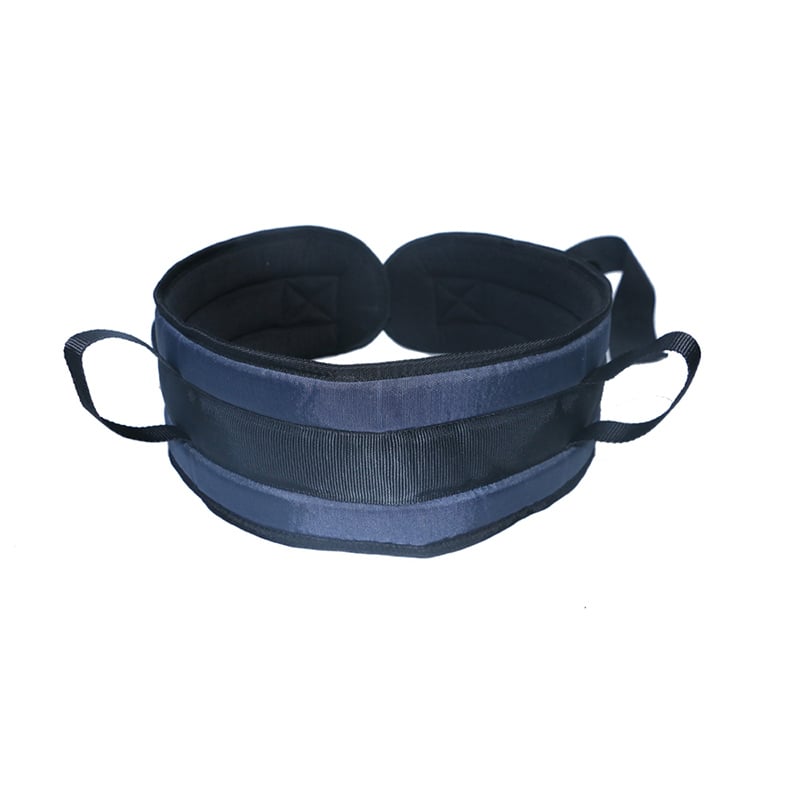
The Transfer Sling Gait Belt-CGSL275 is designed to provide exceptional multi-angle assistance during patient transfers, making it a versatile choice for caregiver support. Its features include padded handles for a comfortable grip and a construction of strong nylon fabric reinforced with breathable sandwich mesh for added comfort. User feedback highlights its efficiency in real-world applications, especially in scenarios requiring diverse angles of assistance. Experts recommend the CGSL275 for situations where flexibility and ease of use are paramount, such as aiding patients from wheelchairs or beds.
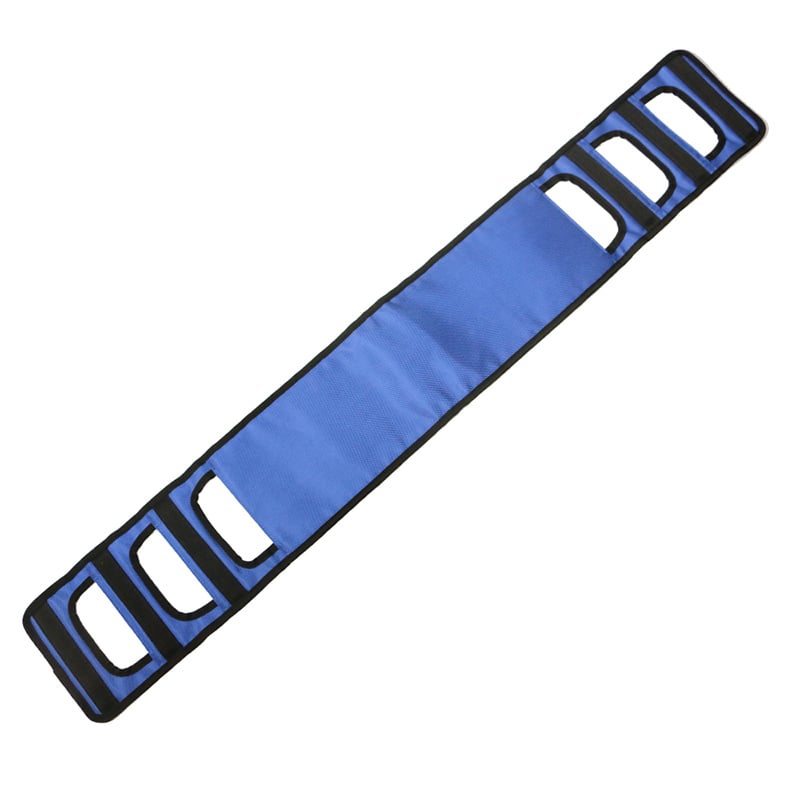
Patient Transfer Gait Belt With Leg Straps-CGSL279: Bariatric Support
The Patient Transfer Gait Belt With Leg Straps-CGSL279 is specifically crafted to meet the needs of bariatric patients by focusing on safety and comfort during transfers. This product includes strong handles and leg straps to offer robust support, significantly reducing the risk of accidents. The need for bariatric support in healthcare has been rising, with a growing number of patients requiring specialized care. Several case studies highlight the successful incorporation of the CGSL279 in healthcare settings, showcasing its effectiveness and reliability.
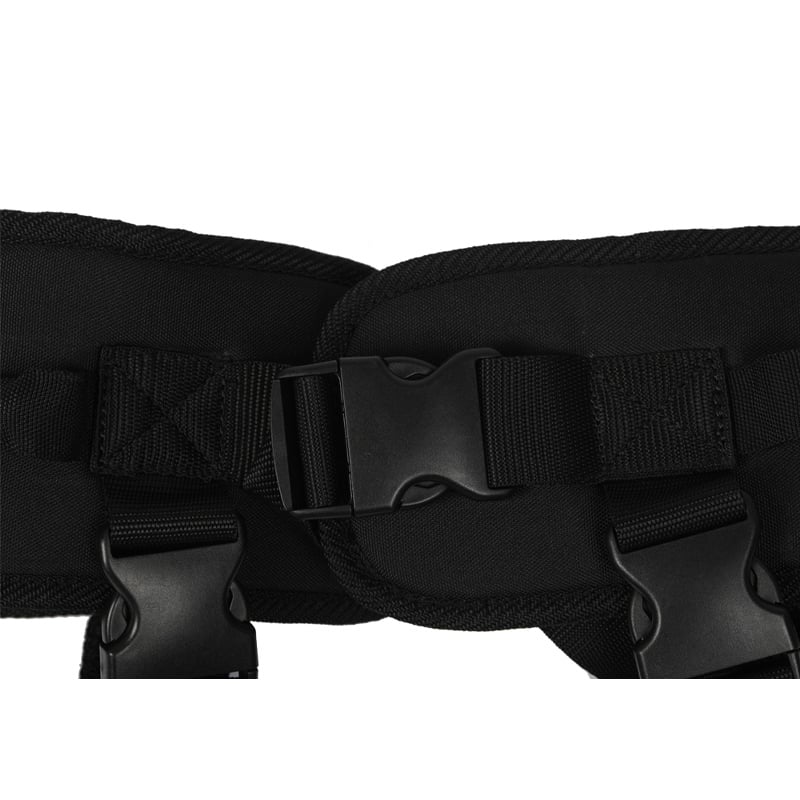
Patient Transfer Gait Belt-CGSL281: Quick-Buckle Mobility
The Patient Transfer Gait Belt-CGSL281 features a quick-buckle mechanism, which enhances ease of use and speed in patient transfers. This model allows caregivers to secure and adjust the belt swiftly, reducing the time required compared to traditional transfer methods. Reports from healthcare professionals endorse the CGSL281 for its efficiency, making it a preferred choice in environments where time-saving and patient safety are priorities. Its quick-buckle system ensures that patient transfers are executed smoothly and safely.