
 EN
EN



Safety and Support Features of Patient Gait Belts
Essential Safety Features of Patient Gait Belts
Weight Capacity and Material Durability
Weight capacity and material durability are fundamental aspects that guarantee patient safety during transfers using gait belts. These belts are designed to support considerable weight, ensuring that patients can be transferred without compromising the belt's integrity or risking potential failure. Typically, gait belts can handle weights ranging from 300 to 500 lbs, which makes them suitable for a wide range of patients, including those who may have higher body weight. Selecting belts with the right weight capacity is essential for preventing accidents during transfers.
The materials used in the construction of gait belts, such as nylon or polyester, significantly impact their durability and reliability. Nylon is known for its high resistance to wear and tear, which contributes to the long-lasting nature of gait belts. Polyester, on the other hand, offers excellent strength and resistance to stretching, making it ideal for handling heavy weights. By choosing belts made from these materials, caregivers can ensure the product will withstand routine use and maintain its safety features over time. Understanding the weight capacity and materials of gait belts is crucial for selecting the appropriate products. For more information, you can view the Secure Safety Solutions patient safety products.
Non-Slip Padding and Ergonomic Design
Non-slip padding is a critical feature of gait belts, providing the necessary grip to ensure safety during patient transfers. This padding prevents the belt from sliding or loosening, reducing the risk of accidental falls or mishaps. When transferring patients, especially those with mobility challenges or significant weight, non-slip padding is vital to maintaining control and safety for both the caregiver and the patient.
An ergonomic design enhances the usability of gait belts for caregivers by focusing on comfort and ease of use. Features such as adjustable straps and comfort-enhancing materials allow caregivers to customize the fit and positioning of the belt for each patient. This reduces physical strain on the caregiver and improves the stability of the patient during transfers. Studies indicate that ergonomic designs in medical transfer sling products can significantly reduce caregiver strain and enhance patient stability, emphasizing the importance of ergonomic considerations in product design. By opting for gait belts with non-slip padding and ergonomic designs, caregivers can effectively ensure safe patient transfers. Readers interested in the latest ergonomic belt designs can check out products like the Yellow Universal Fall Alarm Monitor Sets.
Proper Transfer Techniques with Gait Belts
Positioning for Optimal Weight Distribution
Effective positioning is crucial in ensuring optimal weight distribution during patient transfers. Correct positioning helps balance and stability, significantly contributing to the overall safety of the transfer process. For instance, when caregivers position themselves close to the patient and use their legs for lifting instead of their back, the risk of injury is minimized. Patients should be encouraged to maintain a safe stance with feet shoulder-width apart to further distribute weight evenly across body centers. Guidelines from reputable organizations like OSHA emphasize the importance of ergonomics in patient handling, recommending practices that align with safe body mechanics to avoid unnecessary strain.
Coordinating Movements with Patients
Coordinating movements with patients is essential for safe transfers, and communication plays a vital role in this process. Techniques such as verbal cues can significantly enhance patient cooperation, ensuring their movements are synchronized with those of caregivers. It's important to acknowledge the emotional aspects—effective coordination helps reduce patient anxiety, leading to improved outcomes. Recommendations from experts suggest employing strategies like clear step-by-step instructions and maintaining eye contact to foster trust and understanding. Evidence suggests that enhanced communication can lead to reduced injuries and higher success rates in transfers, emphasizing its importance in patient handling protocols.
Complementary Transfer Sling Solutions
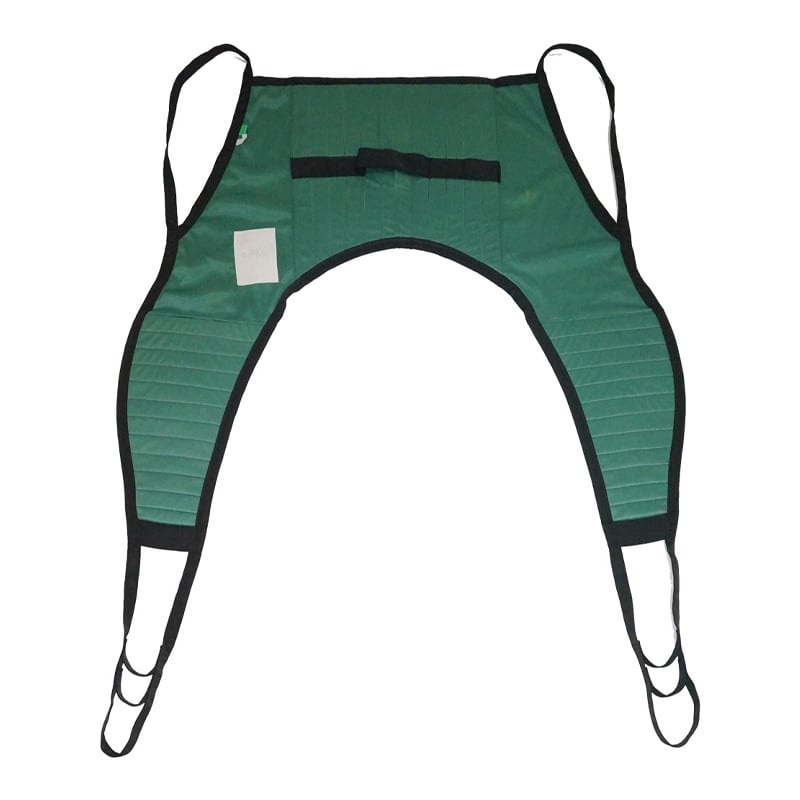
Divided Leg Padded U-Sling Without Head Support-CGSL206
The Divided Leg Padded U-Sling Without Head Support-CGSL206 is designed to facilitate multiple types of patient transfers, especially useful for those with limited mobility. This sling allows for an open bottom design, enabling easy transitions from bed to wheelchair or commode without the discomfort of sitting on the sling. Its durable polyester material and closed-cell foam padding ensure comfort by providing additional support to delicate areas. In comparison to other models, the CGSL206 has proven effective in consumer reviews for its user comfort and ease of use, making it a preferred choice for caregivers handling delicate transfers.
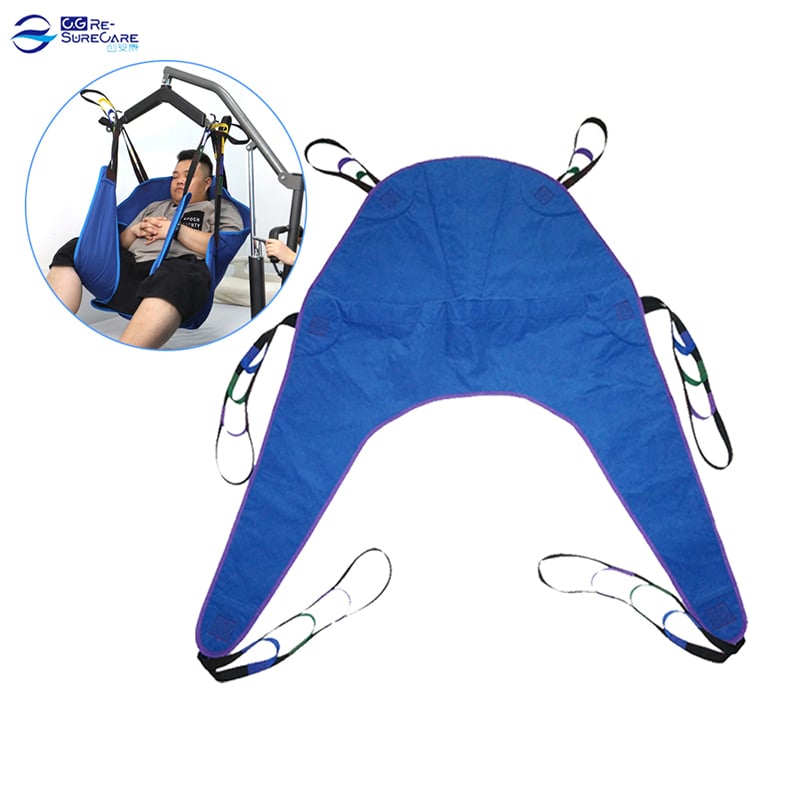
Padded Divided Leg Sling-CGSL219
The Padded Divided Leg Sling-CGSL219 is notable for its ergonomic design and padding that enhance comfort during transfers, crucial in safeguarding patients and reducing anxiety. Its six-point hook-up makes it compatible with a range of patient lifts, ensuring safe and secure transfers every time. It is particularly beneficial in a variety of settings, demonstrating its versatility. Users have praised the CGSL219 for its ease of use and the comfort it provides, reflected in positive customer testimonials and expert evaluations lauding its efficiency and reliability in complex transfer scenarios.
Maintenance and Compliance Standards
Cleaning Protocols for Infection Control
Proper cleaning protocols of transfer aids such as slings and gait belts are crucial to preventing cross-contamination in healthcare settings. Sanitization routines must adhere to industry standards to effectively control infection. According to health authorities, these aids should be washed regularly with disinfectants approved for medical equipment to reduce infection rates. For hospitals following rigorous cleaning protocols, there has been a noted decrease in infection rates. These include methods and frequencies recommended by authorities like the Centers for Disease Control and Prevention (CDC) and the Association for Professionals in Infection Control and Epidemiology (APIC).
Testing Weight Limits and Strap Integrity
Regular testing of weight limits and strap integrity is essential to maintaining the safety of transfer slings. Ensuring these components meet safety standards helps prevent accidents and extends equipment lifespan. Caregivers should routinely perform visual and physical inspections to check for wear and tear, seeking professional evaluations if needed. Health and safety organizations provide guidelines on how often these checks should occur and the criteria for identifying damage. Adhering to these recommendations not only helps in compliance with safety regulations but also optimizes user safety and confidence.