
 EN
EN



Ergonomic Considerations in Patient Lift Sling Design
Core Ergonomic Features in Lift Sling Design
Weight Distribution and Pressure Relief
Effective weight distribution is fundamental in the design of transfer slings for patients. By ensuring that a patient's weight is evenly spread across the sling, pressure points are minimized, which is crucial for patient comfort. Research suggests that well-distributed weight in slings significantly lowers the risk of skin breakdown, a common cause of pressure ulcers. Features such as strategic padding and thoughtful contouring are pivotal, offering enhanced comfort and support. This not only mitigates discomfort but also leads to higher satisfaction among patients, particularly those who may require frequent use, like patients with limited mobility or seniors.
Adjustable Configurations for Patient Safety
Adjustable configurations in transfer slings are vital for customizing the fit to enhance safety and comfort. Slings with these features empower caregivers to tailor the sling fit according to the patient's size, ensuring secure handling. Data underscores the importance of such configurations, with studies showing a notable decrease in care-related accidents when personalized sling solutions are applied. Moreover, the adaptability of these slings accommodates varying mobility levels, thereby optimizing the care experience for patients, from the elderly to those with more specific needs.
Caregiver-Focused Handling Mechanics
Caregiver-focused handling mechanics in sling design are key to safeguarding caregiver health and enhancing ease of use. Incorporating lightweight materials and ergonomic handles reduces strain and potential injuries for caregivers — a point supported by occupational health research. This ergonomic design facilitates better grip and control, allowing caregivers to manage patient transfers safely and effectively. Such enhancements not only protect the caregiver but also ensure a secure and smooth transfer for patients, aligning with best practices in workplace safety and efficiency.
Material Innovations in Transfer Sling Production
Breathable Mesh vs. Reinforced Nylon Fabrics
Choosing between breathable mesh and reinforced nylon fabrics plays a crucial role in the production of patient transfer slings. Breathable mesh materials offer excellent ventilation, essential for long-term wear, especially in warmer climates, ensuring patients remain comfortable during their transfers. On the other hand, reinforced nylon fabrics are celebrated for their durability and resistance to wear and tear, which can be corroborated by extensive material testing results highlighting their longevity even with frequent use. Comparative studies indicate that while mesh provides superior comfort due to its porous nature, nylon excels in providing durability, making the decision dependent on specific patient needs and conditions.
Antimicrobial Treatments and Durability Testing
Incorporating antimicrobial treatments into transfer sling production can significantly lower infection risks for patients, a benefit strongly supported by extensive healthcare research. This innovation improves the hygiene and safety associated with sling use, ensuring a healthier environment for patient transfers. Moreover, rigorous durability testing is essential to ensure that these slings withstand repeated washing and usage without compromising their structural integrity, which extends their lifecycle considerably. Case studies contrasting the benefits of slings with antimicrobial properties against those without highlight the importance of these treatments in reducing healthcare-associated infections, leading to safer patient handling environments.
Meeting Modern Safety and Accessibility Standards
Implementing AORN SPHM Recommendations
To enhance safety and accessibility, incorporating the Association of periOperative Registered Nurses (AORN) guidelines on safe patient handling and mobility (SPHM) into the design of transfer slings is crucial. These guidelines emphasize reducing the risk of injuries for both healthcare workers and patients during transfers, as they provide a framework for effective ergonomic practices. Evidence indicates that adherence to AORN recommendations can result in a significant decrease in workplace injuries while simultaneously bolstering patient safety outcomes. A study conducted on SPHM programs has shown substantial reductions in musculoskeletal disorders among healthcare workers when these guidelines are employed, reinforcing their importance in clinical settings.
Transfer slings that are designed in compliance with AORN standards often gain greater acceptance within clinical environments. This acceptance stems from their proven effectiveness as verified by a variety of studies and user feedback. Healthcare facilities acknowledge the benefits of using slings compliant with these guidelines, noting improvements in safety standards and ergonomics. Providers frequently highlight these features when considering sling procurement to ensure the models employed align with the latest safety protocols for patient transfer sling use.
Fall Prevention Through Ergonomic Attachments
Ensuring patient safety during transfers relies heavily on the integration of ergonomic attachments, such as safety clips and secure straps, in transfer slings. These features are designed to minimize the risk of falls, which are a prevalent concern during patient movement. According to clinical data, employing ergonomic designs can effectively reduce fall-related incidents associated with improper sling use, thereby preserving patient well-being and reducing liability for healthcare institutions. Analyzing patient transfer incidents reveals that a significant number of falls occur due to inadequate sling design or improper use, highlighting the need for thoughtful ergonomic interventions.
Engaging with specialists in ergonomics during sling development can result in innovative attachment features that promote greater stability and security. By collaborating closely with these experts, manufacturers can create transfer slings that meet high safety standards specifically tailored to various patient needs. This collaborative approach often leads to the development of custom solutions that address unique challenges in patient transfer safety, such as the use of portable transfer slings for seniors or those with mobility constraints. Overall, maintaining a focus on ergonomic design principles ensures that patient transfer remains safe and efficient.
Top Ergonomic Sling Designs for Clinical Use
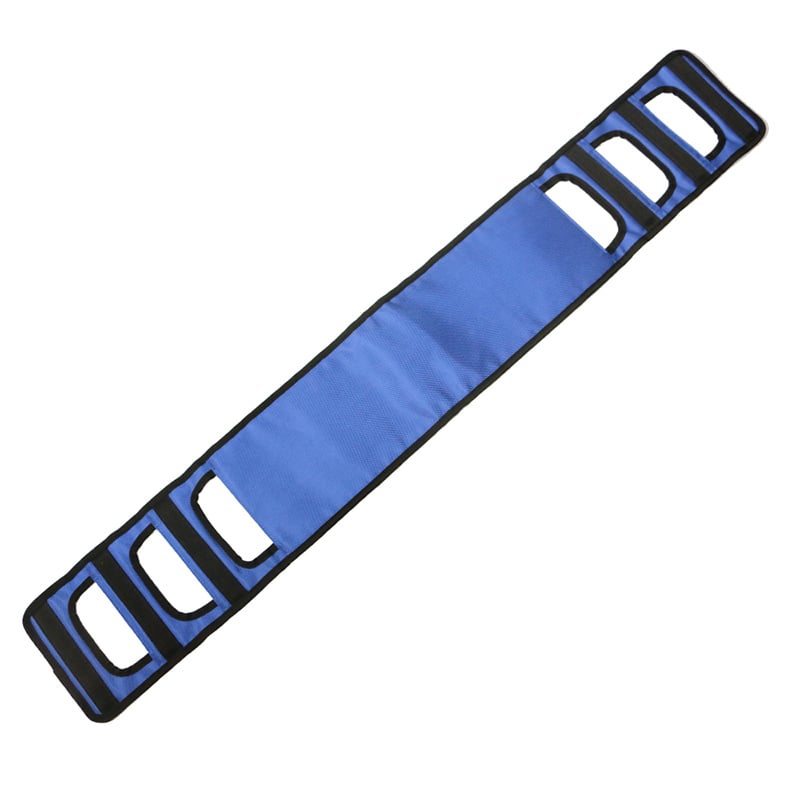
Transfer Sling Gait Belt-CGSL275
The Transfer Sling Gait Belt-CGSL275 enhances caregiver ergonomics by integrating handling mechanisms for improved lift efficiency. In clinical settings, this model is highlighted for its role in facilitating smooth patient transfers, which reduces strain and potential injuries for caregivers. User reviews positively underline the CGSL275's capability to offer support from various angles, making it a practical choice for reducing the physical demands on healthcare providers.
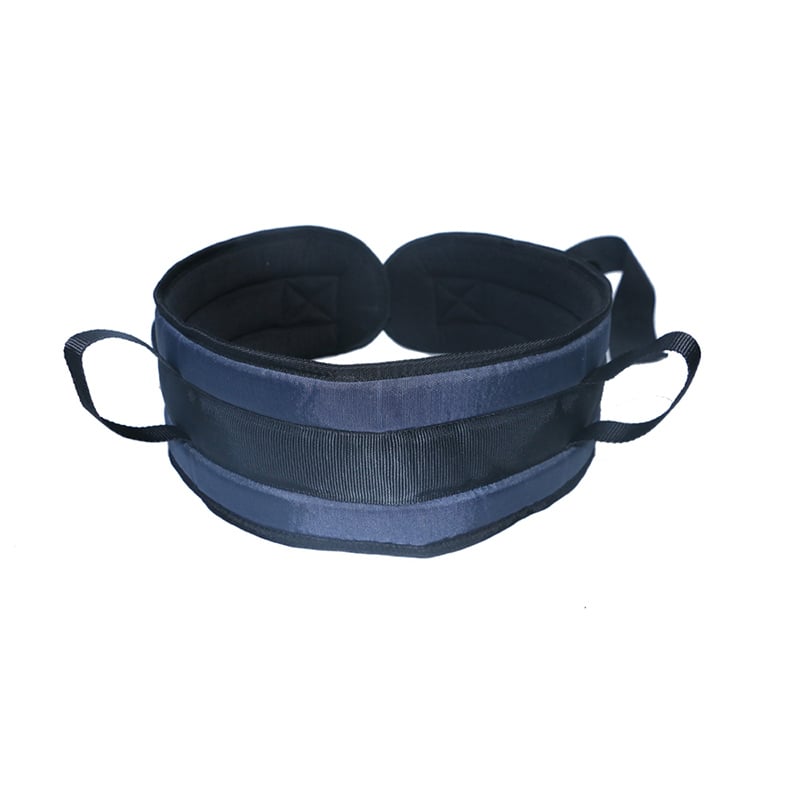
Patient Transfer Gait Belt-CGSL281
Designed for patients with moderate mobility, the Patient Transfer Gait Belt-CGSL281 excels in balancing support and comfort. Clinical evaluations consistently report high patient satisfaction with this model, especially during assisted transfers. Its design facilitates secure transfers with reinforced padded handles that provide a comfortable grip, thereby enhancing both caregiver efficiency and patient confidence during use.
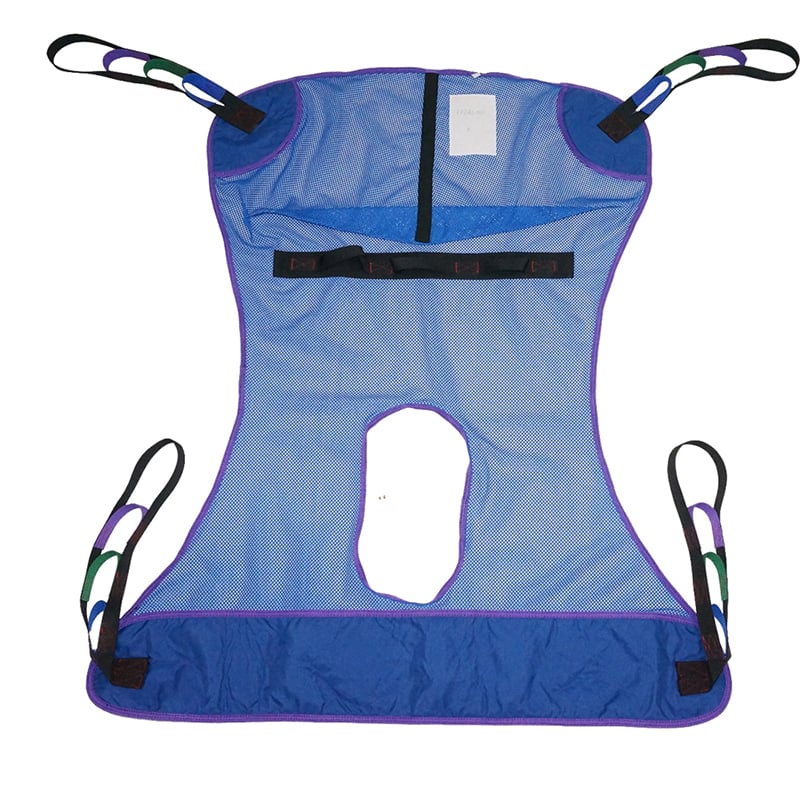
Mesh Full Body Sling with Commode Cut-Out-CGSL208
The Mesh Full Body Sling with Commode Cut-Out-CGSL208 is lauded for accommodating toileting needs while maintaining patient security during transfer. Healthcare professionals find its easy-access features significantly enhance patient comfort and dignity. This sling not only supports full body transfer but also includes a commode cut-out for convenience, ensuring stability and security with each use.
Frequently Asked Questions
What is the importance of weight distribution in sling design?
Weight distribution is crucial in sling design because it minimizes pressure points, offering enhanced comfort and reducing the risk of pressure ulcers.
How do adjustable configurations in slings benefit patient safety?
Adjustable configurations allow caregivers to tailor the fit according to the patient's size, ensuring secure handling and reducing the risk of care-related accidents.
Why is material innovation important in sling production?
Material innovation, like using breathable mesh or reinforced nylon, impacts durability, comfort, and infection control, which are vital for patient safety and comfort.
How do ergonomic attachments help in fall prevention?
Ergonomic attachments minimize the risk of falls during transfers by providing secure straps and safety clips, crucial for maintaining patient stability.