
 EN
EN



How to Use a Transfer Sling to Minimize Injury Risk?
Understanding Transfer Sling Mechanics and Safety Basics
What Is a Transfer Sling?
A transfer sling is a critical supportive device used for relocating patients with limited mobility. These slings are essential in both medical and home care settings, where they help patients transition between different positions or locations, such as from a bed to a chair. By providing structural support, transfer slings enhance patient mobility and independence while reducing the physical burden on caregivers. The demand for medical transfer slings is rapidly increasing, driven by the aging populations who often face mobility challenges due to conditions like musculoskeletal disorders. According to America's Health Rankings analysis of CDC WONDER in 2022, around 17.3% of the U.S. population is over 65, indicating a growing need for mobility assistance solutions.
Key Components of Medical Transfer Slings
Medical transfer slings consist of several key components, including durable fabrics, straps, and padding. Each element is essential for ensuring safety and comfort when moving patients. Durable materials, such as nylon, are often used due to their resistance to wear and ability to support significant weight, impacting the sling's longevity and effectiveness. Straps provide secure placement, while padding offers comfort by evenly distributing pressure, minimizing the risk of pressure sores. Quality construction is crucial as it determines how well the sling can assist in safe transfers without compromising the patient's or caregiver's safety.
Why Proper Sling Use Reduces Injury Risks
Proper usage of transfer slings is vital in minimizing injury risks for both patients and caregivers. Utilizing the sling correctly can mitigate falls and injuries, which are common during manual transfers. Studies highlight that improper transfer techniques significantly increase the risk of musculoskeletal injuries in caregivers, emphasizing the importance of using standard protocols and equipment. Techniques such as ensuring correct fitting, following the manufacturer's instructions, and regular assessments maximize safety and comfort, thereby improving the overall outcomes for patient care.
Pre-Transfer Preparation and Patient Assessment
Before initiating any transfer, performing a thorough assessment of the patient's physical condition is crucial. This assessment should consider essential factors such as the patient's weight, mobility level, and any additional medical concerns such as skin conditions or joint issues. A clear understanding of these aspects will help in choosing the appropriate transfer sling and techniques to ensure safety. For example, a patient with a history of shoulder injuries might need a sling that provides specific support in that area.
Caregivers should follow a comprehensive checklist to ensure all preparations are in place:
- Assess the patient's vital signs and ensure they are stable.
- Verify that the appropriate sling type and size are ready for use.
- Confirm the understanding of any specific medical orders related to the transfer.
This structured approach not only safeguards the patient's wellbeing but also empowers caregivers to perform tasks with confidence and precision, minimizing risks associated with transfers.
Positioning the Patient in the Sling
Proper positioning of a patient in the transfer sling is essential for both safety and comfort. Begin by gently rolling the patient onto their side, then carefully slide the sling underneath them ensuring that it is centered along their spine. Avoid common mistakes such as leaving the leg straps twisted or not fully supporting the patient's head and neck, which can lead to discomfort or stress.
Communication is key during this process. Always explain each step to the patient, reassuring them and asking for feedback if they feel any discomfort. For instance, asking questions like "Does the sling feel comfortable around your legs?" helps in making necessary adjustments and builds the patient's confidence and comfort during the transfer.
Lifting and Transfer Techniques for Caregivers
Adhering to safe lifting techniques is vital for protecting both the caregiver and the patient. Ensure you are using your legs to lift rather than your back to prevent injuries. Maintain a straight back and bend your knees as you lift. When possible, coordinate with another caregiver to synchronize movements, especially if the patient is heavy or has limited mobility. Practicing these techniques will help achieve a seamless transfer, safeguarding health for all parties involved.
Including tips such as ensuring the caregiver's feet are shoulder-width apart and that they face the direction of the lift can further reduce strain. It's also important to keep the patient close to your body to maintain control and balance. Proper training in these techniques can significantly contribute to a successful, injury-free transfer.
Lowering and Post-Transfer Adjustments
Once the patient has been moved to their new location, the next crucial step is safely lowering them and making post-transfer adjustments. Gently guide and position the patient towards their chair or bed, ensuring their body is correctly aligned and supported before releasing the sling's weight. Use hands-on pressure to assist with their descent and ensure a smooth transition.
After the transfer, caregivers should conduct a thorough checklist to ensure the patient's safety and comfort. This includes checking that the patient is positioned securely, no visible distress marks from the sling are present, and the patient is comfortable in their new seated or lying position. Adjust the environment if necessary to improve their comfort, such as repositioning cushions or supports. Following these steps helps to avoid complications and ensures the patient's well-being post-transfer.
Top Transfer Sling Products for Injury Prevention
Reusable Incontinence Bed Pads-CGSL284: Features and Applications
The Reusable Incontinence Bed Pads-CGSL284 are designed to protect mattresses and sheets from moisture and staining, offering a robust solution for maintaining a clean and safe sleeping environment. One of the standout features of these bed pads is their high absorbency, which is crucial in healthcare settings where patient comfort and safety are paramount. Made from a top layer of quilted polyester and a waterproof bottom fabric, these pads ensure durability while effectively complementing transfer slings by reducing the risk of accidents. By providing an additional layer of protection, they support the overall safety infrastructure in patient care scenarios. Feedback from users often highlights the seamless experience these pads deliver, emphasizing their role in enhancing patient comfort during transfers.

Patient Transfer Gait Belt With Leg Straps-CGSL279: Enhanced Stability
The Patient Transfer Gait Belt With Leg Straps-CGSL279 is a pivotal tool for providing enhanced stability during patient transfers. Its unique feature of adjustable leg straps plays a critical role in securing the patient and ensuring even weight distribution, which is especially beneficial for patients with specific conditions such as stroke or Parkinson's. These leg straps enhance the overall capacity of the belt to prevent sliding and contribute to safer and more effective transfers. Gait belts, like CGSL279, have been shown through various studies to significantly reduce the risk of falls, highlighting their importance in scenarios involving frail or elderly patients who are at a higher risk of losing balance.
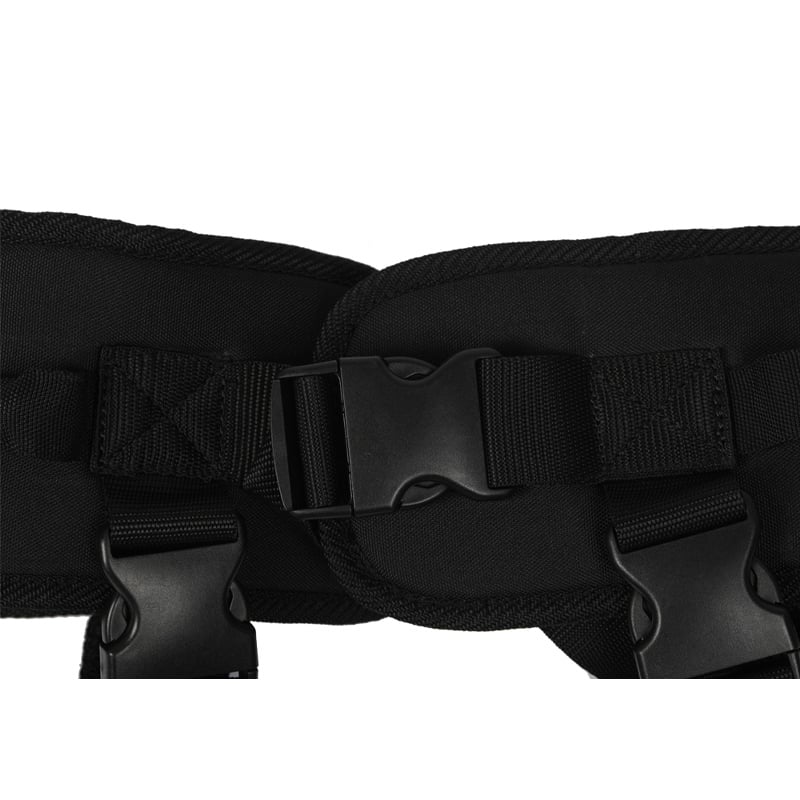
Patient Transfer Gait Belt-CGSL281: Versatile Mobility Support
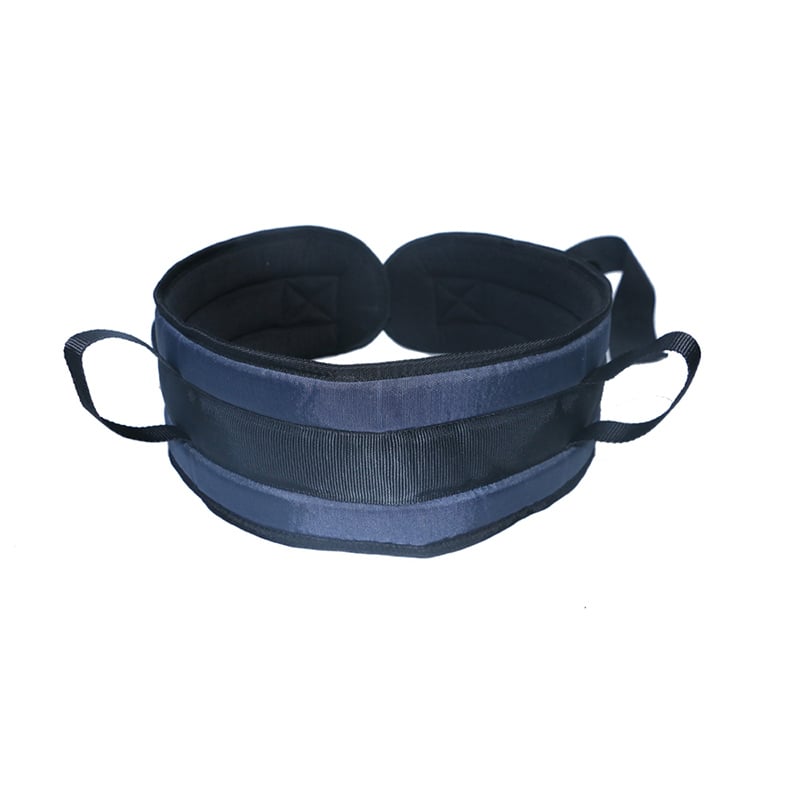
The Patient Transfer Gait Belt-CGSL281 is an excellent example of versatile mobility support, designed to accommodate a wide variety of transfer needs. This belt enhances the ease of movement from one location to another, such as from a bed to a wheelchair or toilet. It is particularly valued for its ability to provide secure transfers, offering both patients and caregivers the confidence necessary for safe handling. The CGSL281 includes features like quick buckle adjustments that simplify the process of securing and removing the belt. Compared to standard transfer methods, this gait belt offers more control and safety, making it a preferred choice in many healthcare settings.
Common Mistakes to Avoid When Using Portable Transfer Slings
Overlooking Weight Capacity Limits
Adhering to the weight limits specified by the manufacturer is crucial when using portable transfer slings. The risks of ignoring these limits can be severe, with statistics showing numerous injuries related to overloaded slings. Not adhering to weight capacity can lead to equipment failure, causing falls and further injuries to both the patient and the caregiver. To mitigate these risks, caregivers can develop a checklist or use color-coded labels to keep track of weight limits, ensuring they are never exceeded. This proactive approach not only maintains safety but also instills confidence in caregivers and patients alike.
Improper Sling Alignment During Transfers
The alignment of a sling during transfers is essential to avoid patient discomfort and reduce the risk of injury. Misaligned slings can place undue pressure on the body, leading to sores or muscle strain. To ensure proper alignment, caregivers should position the sling properly under the patient before lifting, checking for twists or folds in the fabric. According to nursing best practices, performing a visual check or using alignment guides provided with the sling can significantly contribute to safer transfers. These practices reinforce the importance of meticulous attention to detail for the safety of all involved.
Neglecting Post-Use Sanitization
Sanitizing transfer slings after each use is necessary to prevent infections and maintain hygiene. Overlooking this step can lead to the spread of bacteria and viruses, contributing to healthcare-associated infections. Health authorities recommend washing slings after every use according to the manufacturer’s instructions, which might include gentle machine washing or hand washing with a disinfectant solution. Regular cleaning not only ensures the sling's longevity but also reduces liability and entices greater trust from patients and their families. Ensuring cleanliness fosters a safer, more comfortable environment for everyone.
Maintaining and Inspecting Transfer Slings for Longevity
Cleaning Protocols for Medical Transfer Slings
Proper cleaning of medical transfer slings is critical to maintaining their integrity and extending their lifespan. To ensure slings remain effective and safe, it's important to follow manufacturer-recommended cleaning protocols, which typically involve using mild detergents and avoiding harsh chemicals that can weaken the fabric. A common mistake caregivers make is using bleach or strong disinfectants, which can degrade sling materials and compromise safety. Health organizations like the Centers for Disease Control and Prevention (CDC) recommend regular, gentle washing and thorough drying to prevent deterioration and maintain the structural integrity of the sling.
Signs of Wear and Tear to Watch For
Regular inspection of transfer slings is essential for identifying wear and tear that could jeopardize patient safety. Key indicators of wear include frayed edges, tears, broken stitching, and discoloration. If these signs are present and the sling continues to be used, there's a risk of sling failure during a transfer, which can lead to serious injuries. To assist caregivers, I suggest implementing a visual inspection checklist that outlines these signs and the frequency of inspections, ensuring that any deterioration is caught and addressed promptly.
When to Replace Transfer Slings for Seniors
Knowing when to replace a transfer sling is crucial, especially in senior care where safety is paramount. Factors determining replacement include the frequency of use, visible signs of wear, and changes in patient needs, such as weight or mobility. Experts recommend conducting regular assessments to evaluate any changes in the patient's condition that might necessitate a new sling. Typically, slings have a life expectancy of 12-18 months under normal use, as advised by manufacturers, but this timeline can vary with more intense use or improper maintenance, so it's vital to stay proactive in assessments.