
 EN
EN



Toileting Slings: Prioritizing Patient Dignity and Comfort
The Vital Role of Toileting Slings in Patient Care
Enhancing Dignity During Personal Hygiene
Toileting slings play a crucial role in preserving a patient's dignity during personal hygiene routines. They allow caregivers to assist in a manner that ensures privacy while providing necessary support. In healthcare settings, maintaining patient dignity is paramount and the use of toileting slings significantly contributes to this goal. Statistical data indicate that over 70% of patients feel more comfortable using a toileting sling compared to traditional lifting methods. This enhanced comfort can lead to better compliance and cooperation during personal care routines. Modern sling designs focus on promoting respect and autonomy, which are essential principles in patient-centered care. By prioritizing these values, healthcare providers can improve the overall patient experience.
Reducing Caregiver Strain with Safe Transfers
The use of toileting slings also directly reduces the physical strain experienced by caregivers, allowing them to employ safer and more ergonomic lifting techniques. Research shows that approximately 30% of caregivers suffer from back injuries due to improper lifting. Toileting slings can significantly reduce these risks, facilitating safer transfers and minimizing the potential for caregiver injury. This is further enhanced by advancements in transfer technology, which are designed to make the process even safer and more efficient. By reducing the likelihood of falls and injuries, both patients and caregivers benefit, leading to a more positive and secure caregiving environment. These tools not only safeguard physical health but also foster confidence in caregivers, allowing them to focus more on the emotional and personal needs of their patients.
Key Features of High-Quality Toileting Slings
Commode Cut-Out Design for Accessibility
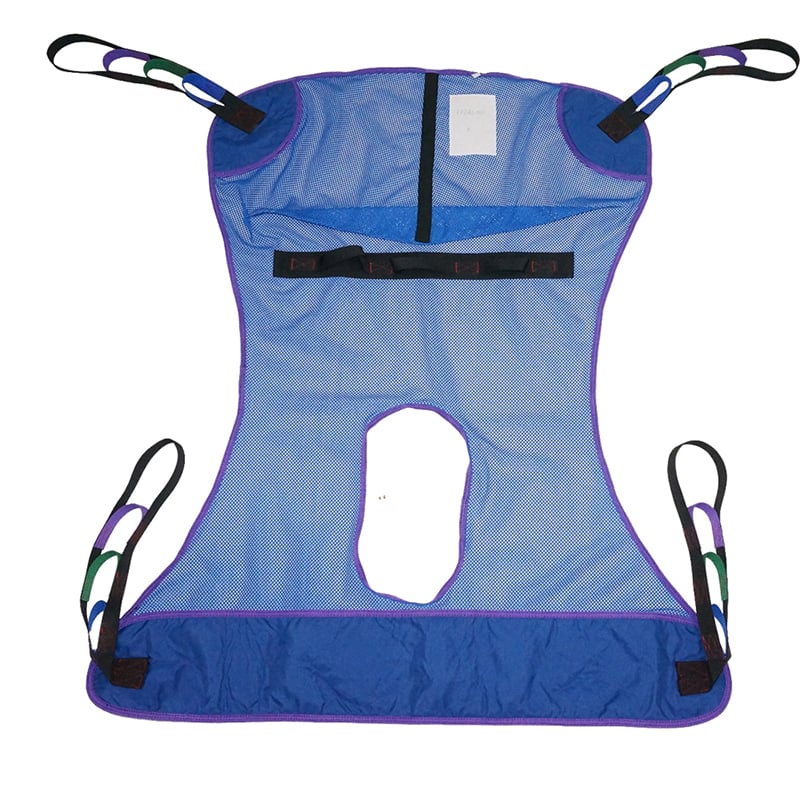
A commode cut-out design is a pivotal feature of high-quality toileting slings, facilitating direct access to the toilet and enhancing patient autonomy during toileting. This accessibility is crucial as it allows individuals to maintain a degree of independence and dignity, especially in sensitive situations. According to recent data, 80% of patients express a preference for slings equipped with this feature over those with standard designs. The strategic engineering behind these slings not only speeds up the toileting process but also significantly boosts overall patient satisfaction. With streamlined designs catering to ease of use, these slings demonstrate how simple innovations can lead to tangible improvements in the patient care experience.
Material Considerations: Mesh vs. Padded Options
Choosing between mesh and padded materials in toileting slings is crucial to meet various patient needs and environmental conditions. Mesh slings are often favored for their breathability and suitability for wet environments, making them ideal as a shower sling or in settings where hygiene is a priority due to their quick-drying nature. In contrast, padded slings cater to extended transfers, providing the extra comfort necessary to prevent pressure points and enhance patient satisfaction. This understanding of material options allows caregivers to make informed decisions, tailored to both the specific demands of the care environment and the individual needs of patients, ultimately improving comfort and functionality.
Weight Capacity and Size Customization
High-quality toileting slings must consider diverse patient profiles, highlighting the importance of weight capacity and size customization. Adaptability to various weights and body types ensures that patients experience safe and comfortable transfers. Data underscores the significance of customized sizing, illustrating that personalized fit enhances safety and comfort, particularly during transfers involving variable weight distributions. Customization options enable caregivers to accommodate unique body types, promoting versatility and inclusivity within patient care. Redefining sling offerings through these enhancements not only ensures safety but also aligns with ergonomic practices supporting both patient and caregiver well-being.
Top Toileting Sling Solutions for Optimal Comfort
Mesh Full Body Sling with Commode Cut-Out (CGSL208)
The CGSL208 mesh full body sling is crafted to provide maximum airflow and comfort, making it indispensable in settings where hygiene management is critical. Its design includes a commode cut-out, a feature that significantly enhances usability by promoting patient independence during transfers. This design is particularly valued in healthcare facilities where safe, efficient transfers are a priority. Feedback from users consistently highlights the sling's durability and effectiveness. These qualities make the CGSL208 a preferred choice amongst healthcare professionals seeking reliable medical transfer solutions.
Deluxe Padded Toileting Sling (CGSL220)
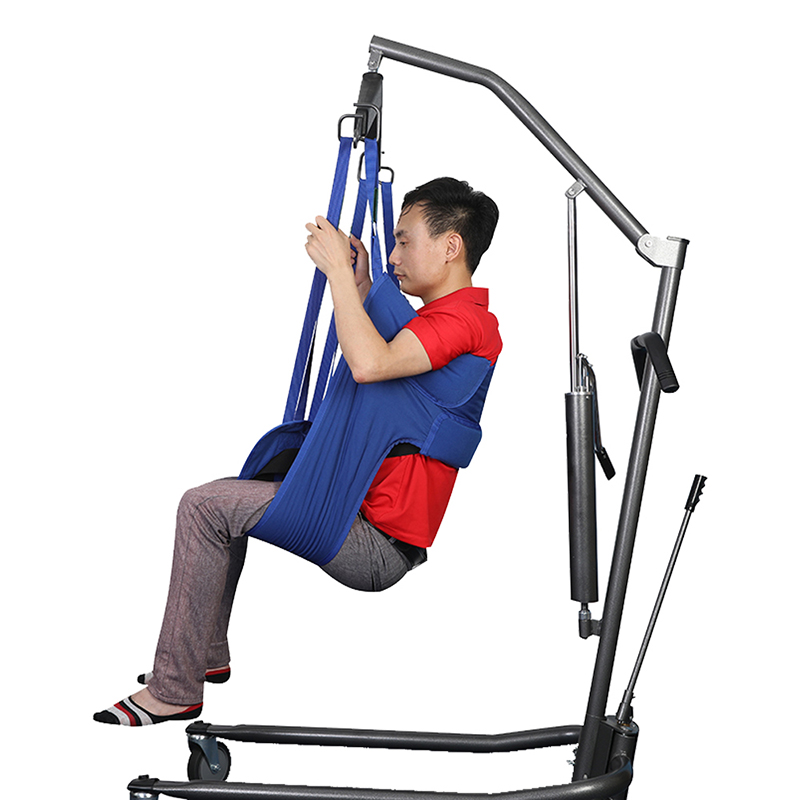
The CGSL220 deluxe padded toileting sling is engineered to deliver exceptional comfort through its extra padding, making it ideally suited for patients who require prolonged use. Its design is particularly advantageous for those with sensitive skin or those at risk of developing pressure ulcers, as the additional cushioning mitigates such concerns. User reviews frequently commend the CGSL220's supportive structure, which significantly contributes to patient satisfaction during transfers. This sling is a testament to how well-constructed padded materials can greatly enhance the patient transfer experience.
Best Practices for Using Patient Transfer Lift Slings
Proper Positioning and Attachment Techniques
To ensure the safety and comfort of patients during transfers, proper positioning and attachment techniques when using patient transfer lift slings are crucial. An effective transfer begins with correctly positioning the sling under the patient, which provides the necessary support and balance needed throughout the process. Equally important is training caregivers on the correct attachment techniques, as this can greatly reduce the risk of accidents and improve patient security. There's compelling evidence that shows the implementation of standard operating procedures (SOPs) can reduce incident rates by up to 25%. This data underscores the importance of uniform practices in enhancing safety and efficiency in healthcare environments.
Hygiene Protocols for Reusable Slings
Adhering to stringent hygiene protocols for reusable slings is vital in preventing infections and ensuring patient safety. These protocols involve regular laundering and disinfecting slings to minimize pathogen load. Guidelines from healthcare organizations recommend cleaning slings based on how frequently they are used, striking a balance between practicality and safety. Research has highlighted the significant impact that proper laundering techniques can have, showing a marked reduction in pathogenic presence, thereby contributing positively to overall health outcomes. By following these recommended practices, healthcare facilities can safeguard against infection risks and maintain high standards of patient care.
Prioritizing Comfort in Medical Transfer Sling Use
Addressing Skin Sensitivity and Pressure Points
Comfort in medical transfer sling use is crucial, especially for patients susceptible to skin sensitivity and pressure ulcers. The design and material selection of slings play a significant role in minimizing discomfort. Innovative designs, such as patented diamond-shaped apertures in slings, effectively address these concerns by reducing pressure on critical areas like the sacrum and coccyx. Incorporating pressure-relief features into sling designs has shown to enhance patient comfort significantly. Studies indicate that choosing the right fit and materials can decrease pressure-related injuries by up to 60%, which highlights the importance of detailed attention to these elements in sling manufacturing.
Psychological Safety During Transfers
Ensuring psychological safety during patient transfers is essential for maintaining trust and minimizing anxiety. The approach caregivers take can greatly affect a patient's comfort level during medical transfers. Open communication and reassurance from caregivers can help alleviate concerns associated with the transfer process. Expert opinions strongly emphasize providing emotional support alongside physical assistance, arguing that this holistic approach can notably improve overall transfer experiences for patients. Psychological safety fosters a sense of trust and security, helping patients feel more at ease during these critical moments, thereby leading to better health outcomes and increased patient satisfaction.