
 EN
EN



What Makes a Toileting Sling Different from Other Slings?
Key Design Features of Toileting Slings
Commode Cut-Outs for Hygiene Access
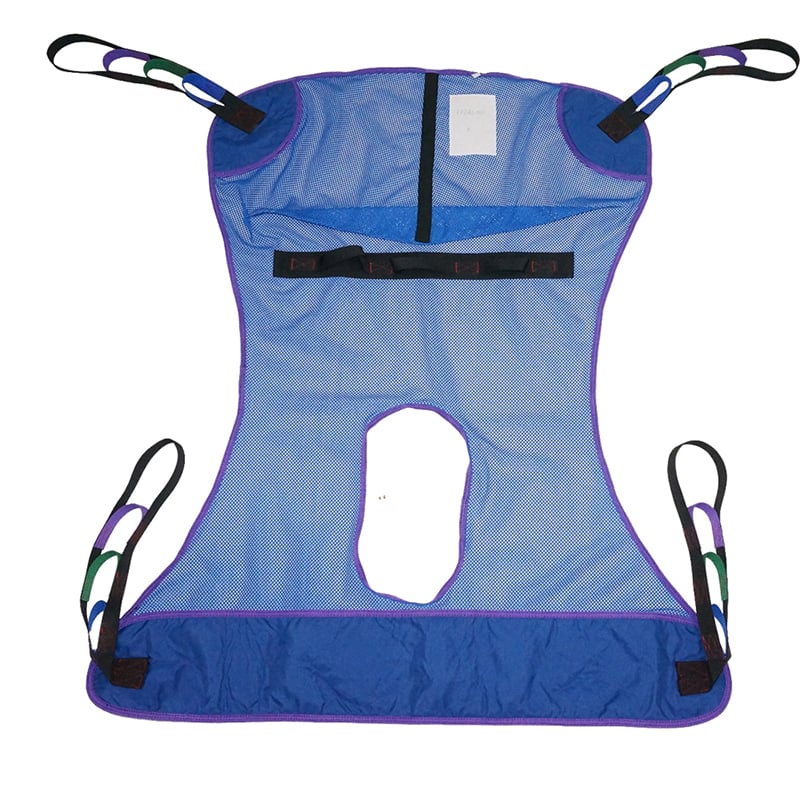
Commode cut-outs are integral to toileting slings, offering convenience and dignity for patients during toileting activities. These features allow caregivers to assist with toileting tasks without requiring the patient to be fully undressed, thereby maintaining their comfort and privacy. By providing easy access during hygienic procedures, commode cut-outs enable efficient care while upholding the patient's dignity. Healthcare studies consistently highlight the importance of these cut-outs, noting improvements in the patient's overall experience and a reduction in anxiety associated with toileting needs. Such innovations in toileting sling design make the critical balance between hygiene and comfort achievable.
Quick-Drying Mesh Fabric & Ergonomic Padding
Toileting slings crafted with quick-drying mesh fabric bring numerous benefits to patient care, including improved breathability and comfort. The mesh enhances airflow, reducing moisture buildup and skin irritation, thus safeguarding the patient's skin integrity. Additionally, ergonomic padding in these slings is crucial, as it helps alleviate pressure points during transfers, ensuring safety and comfort. Such material choices are frequently praised in user reviews for preventing skin irritation and maintaining hygiene standards. The strategic use of padded sections minimizes discomfort during usage, highlighting the importance of material selection in healthcare products.
High Weight Capacity & Customized Sizing
Toileting slings are meticulously designed to accommodate various patient weights, ensuring safety in transfers and comfort while sitting. The inclusion of high weight capacity speaks volumes about the product's reliability and effectiveness in supporting different body types. Customized sizing options further ensure a secure fit, minimizing any risk of slippage and optimizing the sling's performance. When selecting a sling, experts emphasize evaluating weight capacity and sizing options as key criteria to achieve optimal safety and effectiveness. By addressing the needs of diverse patient demographics, these slings offer tailored solutions without compromising on comfort or safety.
Toileting Sling vs. Transfer Sling: Core Differences
Purpose: Toileting vs. General Patient Transfer
Understanding the different purposes of toileting slings and transfer slings is crucial for caregivers seeking to enhance patient safety and comfort. Toileting slings are specifically designed to assist individuals during toileting, often equipped with features catering to hygiene needs. In contrast, transfer slings are intended for broader patient movement, supporting tasks like bed-to-wheelchair transitions. Recognizing these distinctions can help caregivers choose the appropriate equipment, ensuring the sling meets the specific needs of each patient, ultimately fostering a safer and more comfortable care environment.
Open-Bottom Design vs. Full-Body Support
Assessing the design features of slings offers insight into their functional differences. Toileting slings often boast an open-bottom design that facilitates access to the commode, essential for maintaining hygiene during toileting. On the other hand, transfer slings provide full-body support, which is vital for moving patients who cannot fully support themselves. Healthcare providers emphasize the importance of understanding these design aspects to ensure effective patient management and to minimize the risk of accidents during transfers.
Specialized Use Cases for Medical Settings
In medical settings, selecting the right sling based on specific use cases can significantly impact patient outcomes. Toileting slings are tailored for scenarios involving personal care, such as toileting, while transfer slings might be more suitable for general patient movement across various settings. Healthcare professionals stress the importance of distinguishing between these use cases to enhance patient care and reduce caregiver strain, as each type of sling is optimized for different tasks, ensuring efficiency and patient well-being in medical environments.
Safety Considerations for Toileting Sling Use
Patient Stability & FIM Score Requirements
Ensuring patient stability during the use of a toileting sling is crucial, especially for those with varying body mechanics. This is where the Functional Independence Measure (FIM) score becomes instrumental in determining the assistance level needed when choosing and utilizing a sling. According to rehabilitation professionals, there's a direct link between stable sling support and enhanced patient autonomy. Patients with a higher FIM score exhibit more significant levels of independence during transfers, implying that proper assessment can optimize sling selection. This leads to safer transfers and promotes confidence in the patient, aligning with best practices for patient safety and comfort.
Risk Assessment for Shear/Pressure Injuries
Before employing a toileting sling, it is critical to conduct a comprehensive risk assessment to prevent shear and pressure injuries, which are common among individuals with restricted mobility. Inadequate sling use can worsen skin issues, so implementing systematic safety protocols can significantly mitigate these risks. According to various studies, rigorous adherence to safety measures has proven effective in reducing injury incidences, prioritizing patient health and safety. By identifying vulnerable areas and ensuring the sling fits appropriately, caregivers can avoid placing undue stress on pressure points, fostering a safer environment for both the patients and themselves.
Proper Sizing to Prevent Axilla Discomfort
Correct sizing of a toileting sling is paramount to prevent axilla discomfort during its use. Often overlooked by caregivers, improper sizing can lead to increased pain and reduced patient cooperation. Studies have found that slings that are tailored to fit each patient improve satisfaction and care efficiency, as they minimize the risk of irritation under the arms. It is crucial that caregivers assess each patient's dimensions accurately and follow the manufacturer's sizing guidelines to ensure optimal fit and comfort. By prioritizing proper sizing, the incidence of axilla discomfort can be significantly decreased, enhancing the overall patient experience with toileting slings.
Top Toileting Sling Options for Caregivers
Mesh Full Body Sling with Commode Cut-Out (CGSL208)
The CGSL208 Mesh Full Body Sling with Commode Cut-Out is a versatile and essential tool for caregivers. This sling is specifically designed with a commode cut-out, providing easy access during toileting, which is crucial for hygienic and efficient patient care. Its ventilated design is frequently praised in user reviews, as it ensures patient comfort by minimizing moisture buildup, an important factor when considering prolonged use. Recommended by occupational health professionals, this sling is known for its practicality and effectiveness across various care settings, making it a reliable choice for those seeking a comprehensive full-body support sling.
Deluxe Padded Toileting Sling (CGSL220)
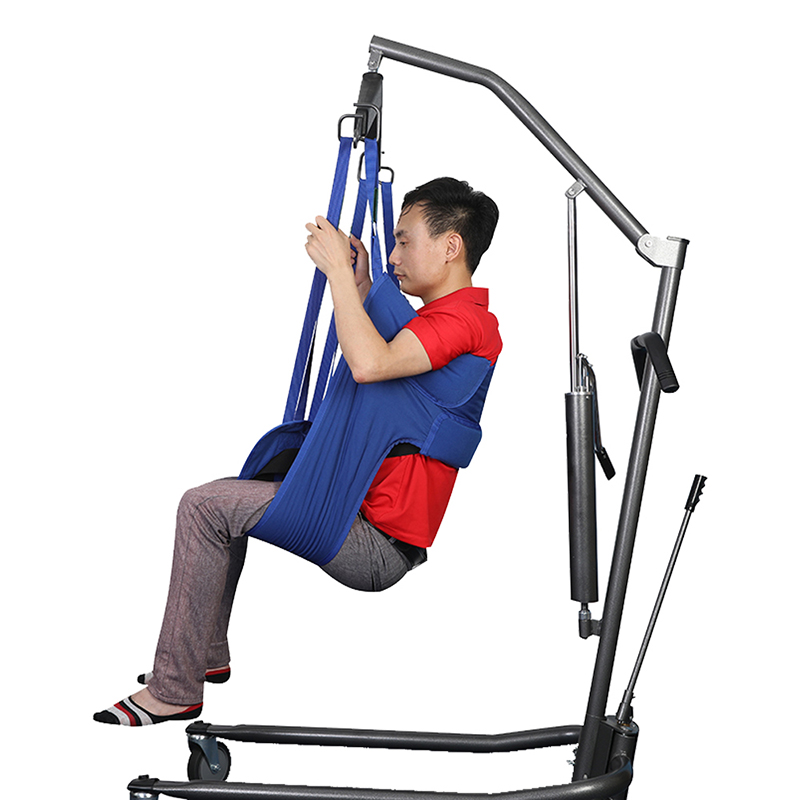
The CGSL220 Deluxe Padded Toileting Sling offers exceptional comfort, a critical factor for patient compliance and caregiver satisfaction. Renowned for its padded design, this sling provides added comfort under the arms and features a cushioned back for improved lumbar support. Such padding helps to address potential discomfort that can arise during transfers. Known for durability, the CGSL220 is designed to withstand the demands of daily use, making it a favorite among healthcare providers who handle frequent patient transfers. Healthcare reviews consistently award this sling a five-star rating for its advanced safety features and comfort, highlighting its reliability and efficiency.
Choosing the Right Sling for Patient Needs
Assessing Mobility Levels & Care Environment
Evaluating a patient's mobility levels and care environment is crucial for selecting the appropriate transfer sling, ensuring patient safety and comfort. By understanding the patient's specific needs, caregivers can decide if a toileting sling or a more versatile transfer sling should be utilized. Studies on patient mobility have shown that tailored sling selections can significantly improve health outcomes and increase caregiver efficiency by reducing physical strain and enhancing patient handling.
When to Use Toileting vs. Bathing/Transfer Slings
Understanding when to use different slings, like toileting versus bathing or transfer slings, is essential for patient care and safety. Toileting slings are engineered specifically for bathroom use, providing necessary support and access. In contrast, bathing and general transfer slings are designed for different conditions and patient needs, maximizing safety and comfort. Experts recommend that caregivers incorporate patient profiles to guide the optimal use of each sling, ensuring the highest standards of care and efficiency in various healthcare scenarios.
LSI Integration: Portable Transfer Sling Considerations
Considering portability is vital when selecting slings, especially in dynamic care environments. Portable transfer slings, known for their adaptability and ease of transport, are especially beneficial in settings that require frequent movement or patient lifting. Market analyses underscore the popularity of portable transfer slings due to their convenience and adaptability, making them a top choice for facilities that need versatile solutions for patient mobility and caregiver support.