 EN
EN



Key Considerations for Selecting Medical Protective Pads in Long-Term Care Facilities
Key Factors in Choosing Medical Protective Pads
Absorbency Capacity and Leak Prevention
High absorbency capacity in medical protective pads is crucial for preventing leaks, which can significantly reduce the incidence of skin breakdown and infections. According to various studies, pads with superior absorbency rates are more effective at keeping the skin dry and reducing the risk of conditions like dermatitis. The materials used in absorbent layers can differ, contributing to their efficiency. For instance, some pads incorporate superabsorbent polymers which are known for their high moisture-wicking properties, outperforming traditional cotton pads in laboratory tests. Research comparing performance metrics across various brands often highlights that not all pads offer the same level of protection, emphasizing the importance of choosing the right product for specific needs.
Material Composition and Skin Safety
The choice of materials in medical protective pads is significant for skin safety, especially for patients with sensitive or compromised skin. Utilizing safe, hypoallergenic materials can prevent skin irritations, with dermatological research backing the effectiveness of such materials in minimizing allergic reactions. Products made from non-synthetic fibers are often better suited for sensitive skin, and certifications such as the OEKO-TEX® Standard 100 can provide additional assurance of material safety. These standards ensure that pads are free of harmful substances, a crucial factor for patient health, particularly in long-term use. Ensuring material safety not only protects the skin but also enhances overall patient comfort and compliance.
Size and Fit for Patient Body Types
The necessity of having various sizes of medical protective pads cannot be overstated, as it ensures a proper fit for diverse patient body types, directly affecting comfort and compliance. Statistics show that patients who use correctly sized pads experience better comfort and fewer incidences of skin issues. Conversely, improper sizing can lead to gaps or excessive tightness, which undermine the product’s effectiveness and potentially harm skin health. Experts recommend that patients undergo careful assessment to determine the most suitable size, ensuring pads conform to their body with minimal leakage risk. This consideration is pivotal in optimizing the therapeutic benefits of medical protective pads.
Fluid-Resistant Backing Standards
Adhering to fluid-resistant backing standards is essential in medical protective pads to uphold infection control measures. Industry standards mandated by bodies such as the CDC highlight the significance of fluid-resistant materials in preventing fluid transmission, thereby minimizing cross-contamination risks in healthcare environments. By providing a barrier to liquids, these materials maintain hygiene, safeguarding both patients and healthcare providers from potential infection vectors. This is a fundamental part of ensuring safe and clean medical settings where cross-contamination could have severe consequences.
Ease of Decontamination Protocols
Effective decontamination protocols are crucial for maintaining medical protective pad hygiene and meeting infection control standards. Various studies evaluate the efficiency of cleaning methods, emphasizing the significance of ease in execution. Simplified procedures ensure higher compliance rates among healthcare workers, as complex cleaning protocols can lead to non-compliance, thereby increasing the risk of infection spread. Efficient cleaning methods, such as using neutral detergents and proper rinsing techniques, can ensure the pads are safe and ready for reuse, contributing to a sterile healthcare environment.
Antimicrobial Treatment Options
Exploring antimicrobial treatment options for medical protective pads reveals a range of effective solutions against pathogens. Research indicates treatments like improved hydrogen peroxide and quaternary ammonium compounds provide significant effectiveness against common pathogens without compromising human health. Despite their benefits, it's vital to balance these treatments with potential health risks, ensuring they are safe for prolonged patient exposure. By choosing the appropriate antimicrobial agents, healthcare settings can enhance their infection control measures while safeguarding patient health.
Wash Cycle Resilience Testing
Wash cycle resilience is critical for the longevity of medical pads used in long-term care. To accurately assess wash cycle resilience, several testing methods aligned with textile testing standards are applied. These methods evaluate fabric strength, absorbency retention, and colorfastness after numerous washes. For example, laboratory tests may simulate multiple washing cycles to mimic real-world conditions. A study in textile durability suggests that high-quality medical pads maintain performance for over 100 wash cycles, ensuring longevity and cost-effectiveness.
Seam Integrity Under Repeated Use
The integrity of seams in medical pads is paramount for their durability and effectiveness. Real-world usage studies highlight the importance of seam strength, showing that pads with reinforced seams withstand daily use without bursting or leaking. Seam techniques, such as double stitching and heat-sealing, significantly enhance durability, reducing the likelihood of product failure. Studies emphasize that pads employing these methods exhibit superior performance, maintaining structural integrity and ensuring user confidence.
Cost-Per-Use Analysis
Conducting a cost-per-use analysis can unveil the economic advantages of investing in high-quality medical protective pads. By comparing different products, one can derive insights into long-term expenditures associated with purchase and replacement. Market data indicates that premium pads, although initially more expensive, often prove more economical over time due to their extended lifespan and reduced failure rates. Investing in quality products can prevent additional costs related to replacements and healthcare issues arising from inferior products.
Reusable Incontinence Bed Pads-CGSL284: Features and Applications
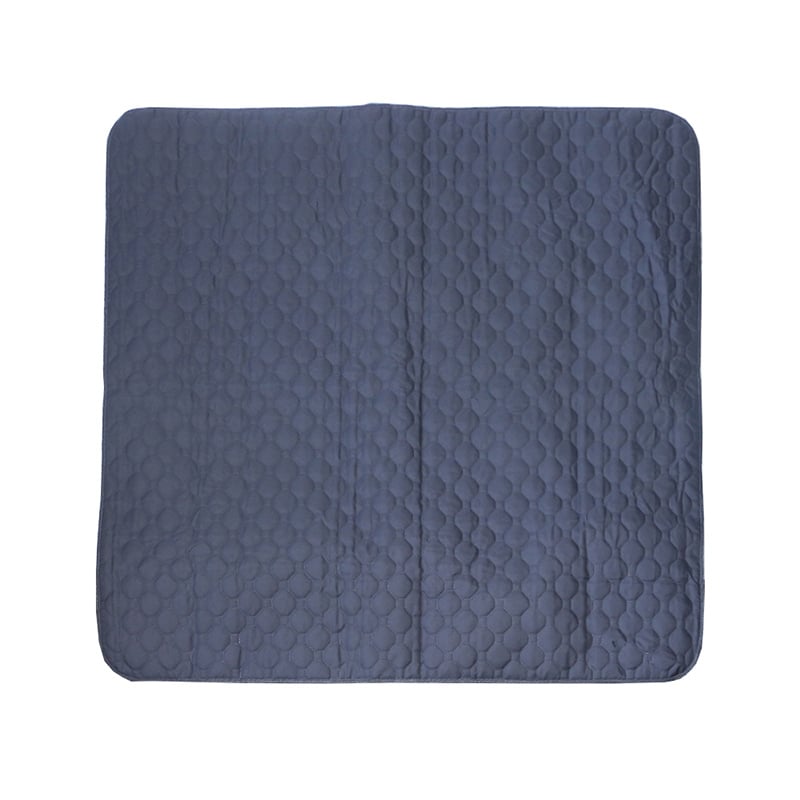
The Reusable Incontinence Bed Pads-CGSL284 stand out due to their advanced design and quality materials, making them a superior choice for diverse patient needs. These pads are crafted from quilted polyester fabric on top and a waterproof fabric at the bottom, ensuring effective moisture absorption and protection for mattresses and sheets. They come in four different sizes—small, medium, large, and extra-large—catering to various requirements without compromising comfort or integrity. In healthcare settings, these reusable pads have demonstrated efficacy by reducing both environmental impact and costs, thanks to their reusability. According to testimonials from caregivers and home users, these features promote better patient care by maintaining a clean and dry environment, which is crucial for preventing skin-related issues.
360 Rotating Seat Cushion-CGSL250: Mobility Support Benefits
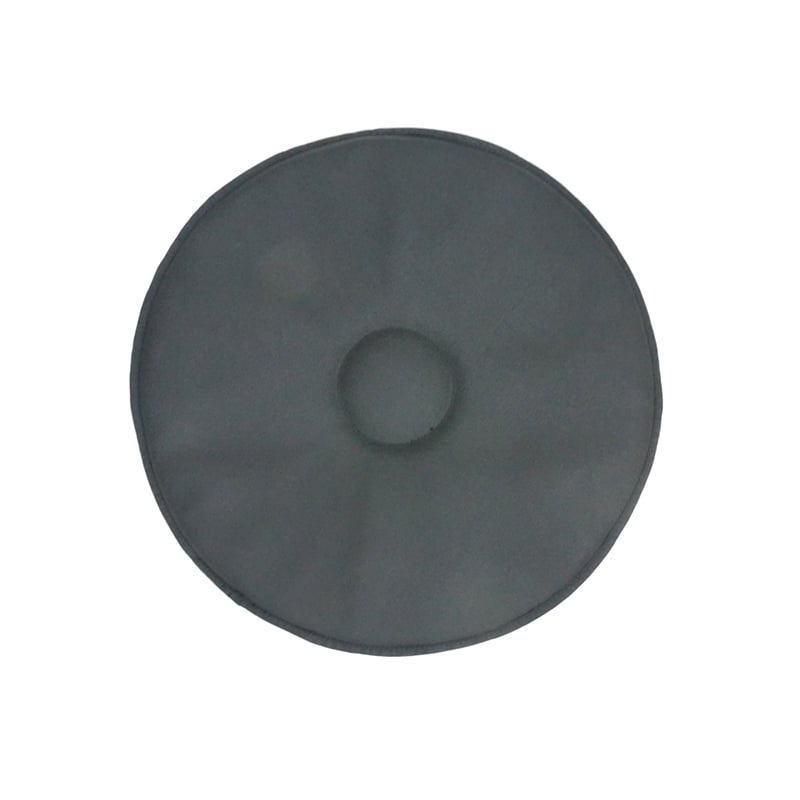
The 360 Rotating Seat Cushion-CGSL250 is designed to enhance patient mobility by allowing seamless, full-circle rotation—ideal for use in car seats, chairs, and beds. It features a comfortable, non-slip, and flexible rotating disc that significantly aids individuals with limited movement, supporting their independence and safety. The ergonomic design not only provides ease of movement but also reduces sitting discomfort, which is paramount for patient wellness. User testimonials highlight the cushion’s role in improving their quality of life by alleviating the strain associated with long-duration sitting. In clinical settings, the cushion has been noted to contribute positively to the prevention of pressure sores and to enhance overall patient comfort.
Staff Training on Proper Usage
Comprehensive training programs for staff on the correct usage of medical protective pads are crucial in enhancing patient outcomes. Proper training ensures that staff members are familiar with the latest techniques and guidelines, which lead to better care quality and increased patient satisfaction. For instance, when healthcare facilities commit to extensive staff training, they often see an improvement in patient mobility and comfort due to the correct application of these products. Best practices in staff training include routine workshops, hands-on demonstrations, and continuous education on new advancements. These methods have successfully been implemented in various healthcare facilities, resulting in notable improvements in the proper usage of medical protective pads.
Inventory Management Strategies
Effective inventory management strategies are essential to maintaining the constant availability of medical protective pads, which directly impacts patient care. By utilizing advanced inventory systems, healthcare facilities can track usage patterns and optimize reorder schedules. Successful organizations often report improved operational efficiency by implementing just-in-time inventory techniques and automating stock control processes. Poor inventory practices can lead to shortages, affecting patient care and increasing operational costs due to emergency restocking fees and potential delays in treatment. Therefore, healthcare providers must prioritize robust inventory management to ensure smooth operations and continuous patient care.
Monitoring Skin Integrity Outcomes
Monitoring skin integrity is a critical aspect when using medical protective pads, as it directly affects patient satisfaction and overall health outcomes. Regular assessments of skin condition can help identify issues early and prevent complications. Studies have shown a significant correlation between the use of medical protective pads and improved skin health, highlighting the importance of continuous monitoring. By conducting frequent skin checks and adjusting care practices accordingly, healthcare providers can enhance patient satisfaction and reduce the risk of skin damage. This proactive approach ensures that patient comfort and health remain a top priority, reinforcing the vital role of protective pads in maintaining skin integrity.