
 EN
EN



Transfer Slings: Facilitating Safe Patient Movement
Types of Transfer Slings for Safe Patient Handling
Medical Transfer Sling Designs for Different Needs
Medical transfer slings come in a variety of designs, each tailored to specific patient needs such as mobility limitations, weight capacities, and specific medical requirements. Full-body slings, for instance, are often used for patients who need comprehensive support during transfers, providing safe lifting for those with minimal mobility. Hip slings, on the other hand, are designed to assist patients who can partially support themselves but require help with balance and stability, enhancing both their comfort and safety. Another common design is the toileting sling, which facilitates easier access for hygiene procedures without removing the sling entirely, thus maintaining patient dignity and ease of handling.
In medical institutions, the selection of transfer slings is typically guided by clinical evaluations to ensure the best fit for patient requirements and effective lifting. Such evaluations take into account patient comfort, safety, and the ease of use for healthcare providers, forming a crucial part of the patient care plan. Therefore, choosing a medical transfer sling is not only about addressing physical limitations but also about enhancing the overall care experience by aligning with these nuanced requirements.
Portable Transfer Slings vs. Fixed Systems
Portable transfer slings are valued for their versatility and ease of use, making them particularly suitable for home care settings or during patient transport. These slings are designed to be lightweight and easily maneuverable, allowing caregivers to assist patients in various environments, whether at home or during outings. Their flexibility enables caregivers to provide personalized support without the constraints of a fixed location, offering a level of convenience that is ideal for non-permanent care situations.
In contrast, fixed systems, while less mobile, are renowned for providing exceptional stability and safety for patients with higher dependency needs during transfers. Such systems are often integrated into healthcare facilities, ensuring that patients with significant mobility challenges receive the steady and secure support they require. The choice between utilizing a portable transfer sling or a fixed system often hinges on the specific health conditions of the patient and the particular needs of the caregiver's work environment. This decision impacts both the efficiency of care delivery and the quality of patient handling expected in various settings.
Key Features of Effective Patient Transfer Lift Slings
Weight Capacity and Material Durability
Effective patient transfer lift slings are vital in healthcare environments, designed to accommodate a wide range of weight capacities. This ensures that the needs of both average and bariatric patients are taken into consideration, providing versatile solutions for various patient sizes and weights. High-strength fabrics used in these slings play an essential role in their construction, allowing them to endure frequent usage and the rigors of regular laundering without compromising safety. Healthcare facilities are advised to continually check and maintain these slings to prevent any wear and tear that might impact patient comfort and safety during transfers. Regular inspections and maintenance protocols are crucial in extending the lifespan of transfer slings and ensuring they remain reliable over time.
Ergonomic Handles and Non-Slip Surfaces
The design of patient transfer lift slings often includes ergonomic handles, which are fundamental to enhancing the caregiver's ability to maintain a secure grip during transfers. This feature significantly reduces the risk of accidental slips, a common concern in patient handling. Additionally, slings with non-slip surfaces provide an extra layer of safety by keeping patients stable within the sling, especially for those who might experience involuntary movements. By investing in these features, healthcare providers not only protect patients but also minimize the physical strain on caregivers. This approach in transferring patients ensures that both parties benefit from a more secure and comfortable handling experience, ultimately enhancing the efficiency of healthcare delivery.
Top Transfer Sling Solutions for Caregivers
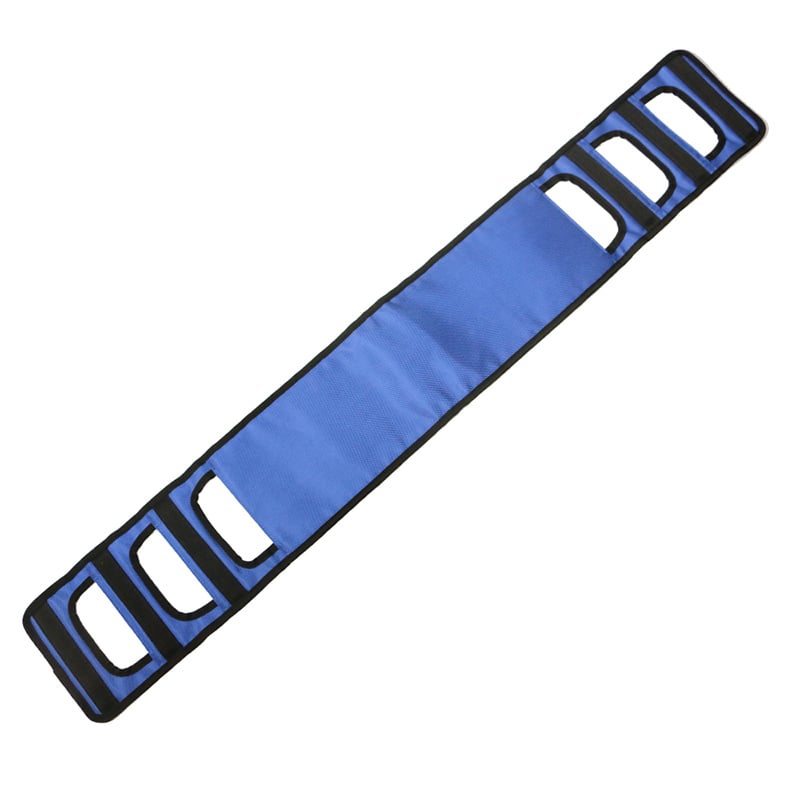
Transfer Sling Gait Belt-CGSL275: Multi-Angle Assistance
The Transfer Sling Gait Belt-CGSL275 excels in providing multi-angle assistance, a feature that is invaluable to caregivers during patient transfers. This design allows caregivers to offer support from various directions, making it easier to manage patients with different levels of mobility. Moreover, the versatile layout is particularly beneficial for patients who need dynamic support during ambulation or redistribution from one position to another. By promoting better lifting ergonomics, this sling aids in enhancing safety and control for caregivers. For a closer look at the product, visit the Transfer Sling Gait Belt-CGSL275.
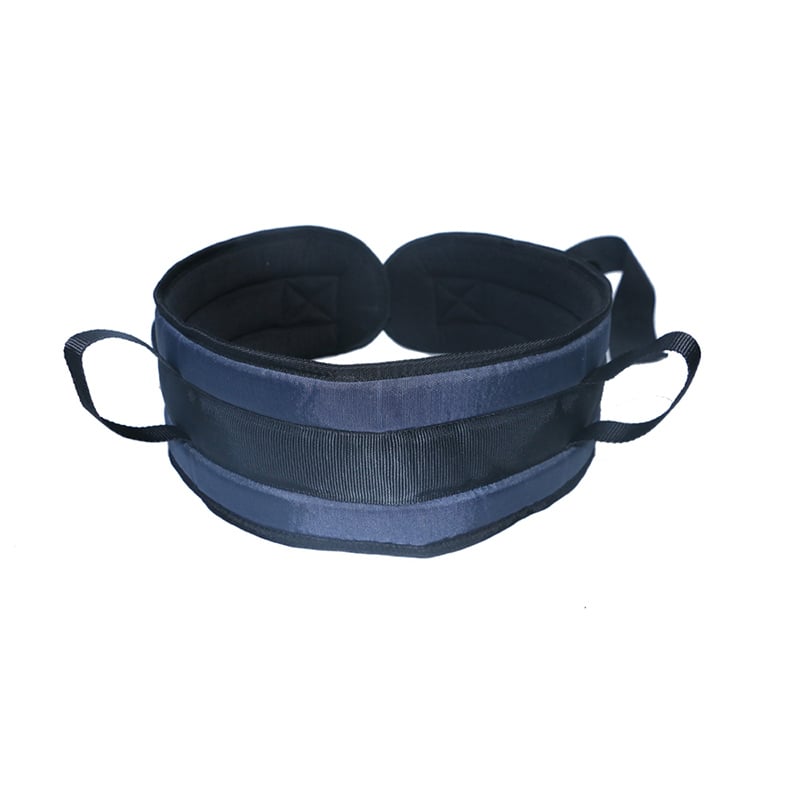
Patient Transfer Gait Belt-CGSL281: Quick-Buckle Convenience
The Patient Transfer Gait Belt-CGSL281 stands out with its quick-buckle feature, allowing caregivers to safely and swiftly secure patients. This is especially beneficial in busy healthcare settings where time efficiency is critical. The design focuses on easy application, enabling faster patient transfers and reducing the stress on both patients and caregivers. This quick-buckle convenience not only streamlines the workflow but also helps maintain a higher level of care by ensuring swift and secure patient transfers. For more details, check out the Patient Transfer Gait Belt-CGSL281.
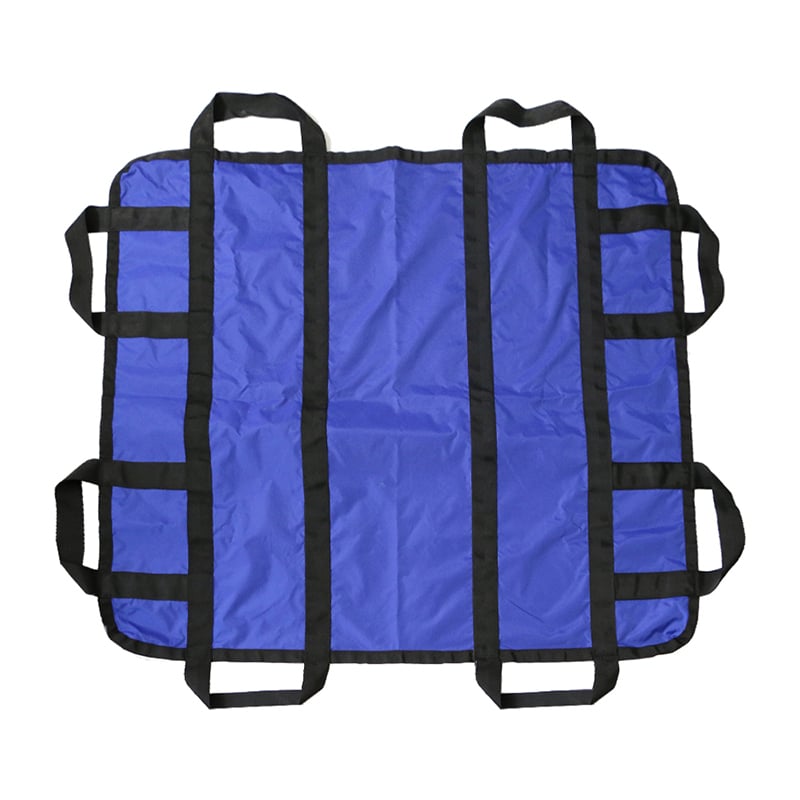
Transfer Sheet With 8 Handles-CGSL280: Bariatric Support
The CGSL280 Transfer Sheet is designed with eight handles, providing multiple lifting options that are essential for bariatric support. This sheet accommodates larger patients safely, addressing the challenges that arise from heavier weights during transfers. Its versatile design not only ensures secure patient handling but also supports better ergonomics for caregivers. This makes it an excellent choice for facilitating safer and more efficient patient care. For further information, see the Transfer Sheet With 8 Handles-CGSL280.
Implementing Transfer Slings in Healthcare Settings
Reducing Caregiver Injury Risks with Proper Equipment
Integrating proper transfer slings into healthcare settings plays a crucial role in reducing caregiver injury risks, particularly those related to lower back injuries from manual lifting. By utilizing appropriate equipment, healthcare facilities can significantly lower instances of workplace injuries and enhance overall staff satisfaction. Studies indicate that implementing correct transfer tools results in fewer reported injuries, underpinning the importance of investing in these solutions. Furthermore, training caregivers on the effective use of transfer slings further minimizes risks and promotes a safer environment for both patients and staff. This comprehensive approach not only safeguards caregivers but also contributes to a more efficient healthcare system.
Best Practices for Patient Transfers
Implementing best practices for patient transfers is vital to ensuring the safety and efficiency of healthcare operations. Before any patient transfer, assessing the patient's physical condition is imperative to tailor handling strategies effectively and prevent complications. Establishing a systematic approach that includes protocols like two-person lifts can significantly lower risks for both patients and caregivers. Continuous education through regular training sessions on contemporary transfer techniques and equipment usage empowers caregivers, leading to enhanced patient outcomes. By adhering to these best practices, healthcare providers can improve the safety and feasibility of patient transfers, ultimately benefitting both patients and medical staff.