
 EN
EN


Cleaning and Maintenance of Medical Protective Pads
Proper cleaning and maintenance of Chuangguo medical protective pads ensures hygiene, durability, and long-lasting effectiveness.
View More
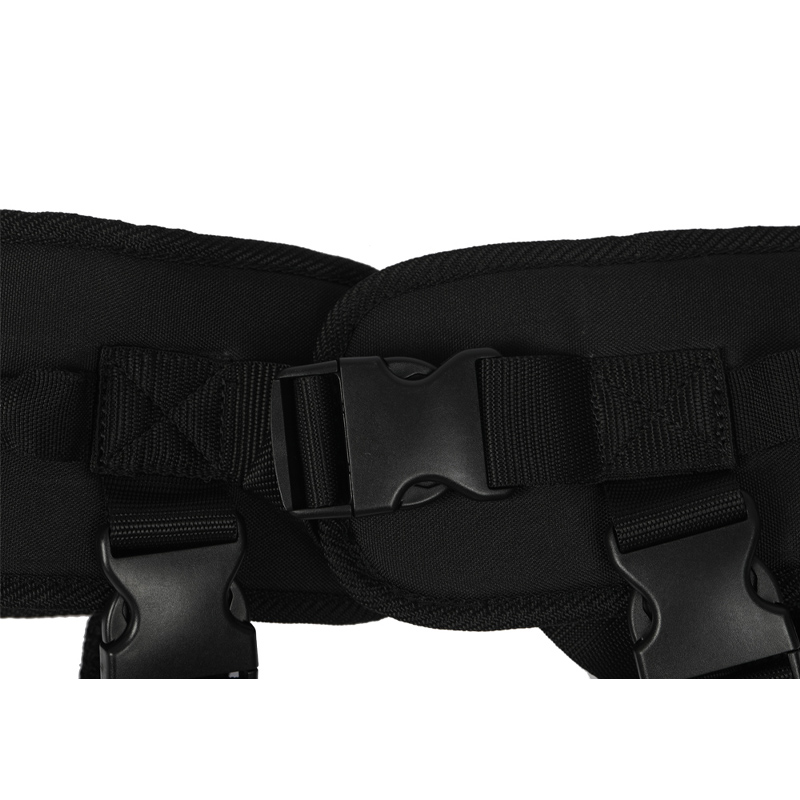
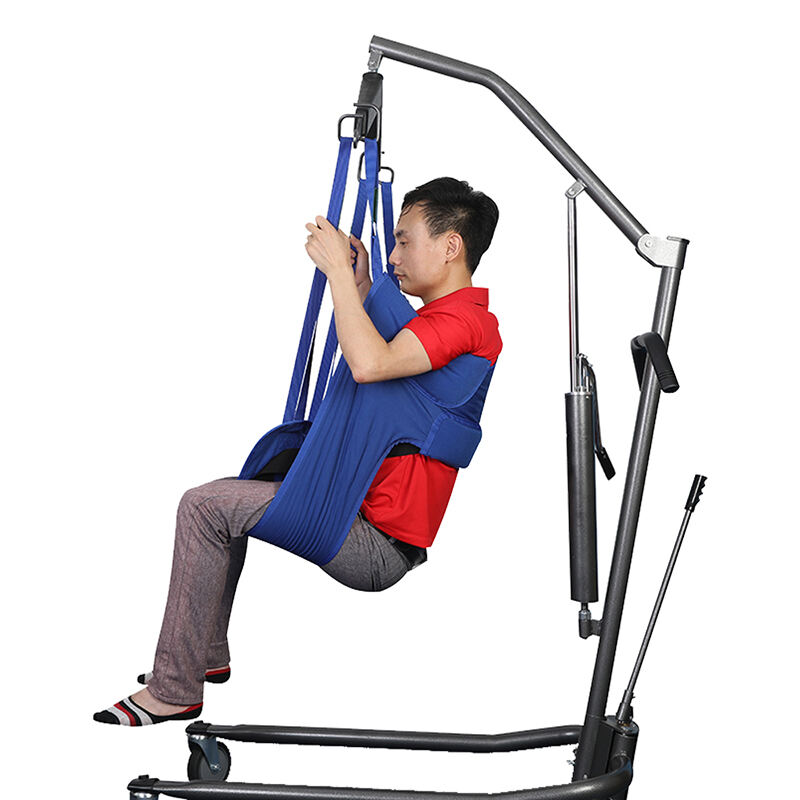
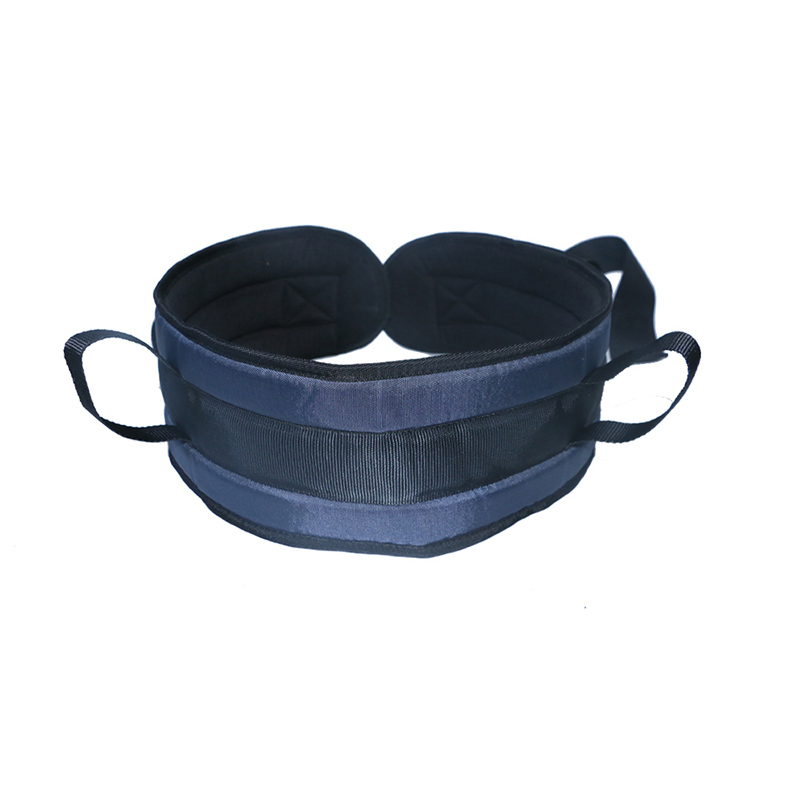
A gait belt for elderly individuals is more than a simple transfer aid; it is a pivotal instrument in fall prevention, functional mobility preservation, and caregiver support within the rapidly expanding field of geriatric care. The physiological changes associated with aging—including sarcopenia (muscle loss), proprioceptive decline, polypharmacy-related dizziness, and postural instability—create a high-risk profile for falls, making the proper use of a gait belt a non-negotiable standard of care in nursing homes, assisted living facilities, and home healthcare settings across cultures. A gait belt designed specifically for the elderly prioritizes safety features that cater to fragile skin and reduced tissue tolerance. This often translates to belts constructed from soft, breathable cotton or padded nylon webbing with rounded edges, minimizing shear forces when the belt shifts against clothing. The width is also critical; a minimum of 2 inches is standard, but for frail elderly patients, a 3-inch or 4-inch padded gait belt is preferred to distribute forces over a greater surface area, thereby reducing the risk of skin tears or contusions—a common concern in geriatric populations where skin integrity is compromised. The buckle system must balance security with ease of use in emergency situations; many modern gait belts for the elderly employ quick-release buckles that can be disengaged with one hand, allowing caregivers to respond instantly if a patient begins to fall. From a cultural standpoint, the implementation of gait belt use in elderly care requires careful attention to patient autonomy and dignity. In Scandinavian countries, for example, there is a strong emphasis on patient empowerment, so gait belts are often introduced as “safety belts” that enable the patient to walk safely with a loved one, rather than as a restrictive device. In contrast, in more family-oriented care systems, the gait belt is often viewed as a tool that enables multiple family members to assist in safe transfers, spreading the physical burden. Clinically, the gait belt for the elderly is indispensable for activities ranging from bed-to-chair transfers to ambulation training post-hip fracture. It allows caregivers to maintain a secure, low-center-of-gravity stance while providing just enough assistance to counterbalance the patient’s forward lean or lateral instability. Furthermore, the use of a gait belt supports the principles of the “no-lift” policy adopted by many healthcare systems to reduce caregiver back injuries, as it provides a secure anchor for mechanical lifts when used in conjunction with slings. For facilities, implementing a standardized gait belt program—including regular inspection for wear and fit—is a key component of fall risk reduction strategies, directly impacting quality metrics and reimbursement models. As the global elderly population continues to grow, the gait belt remains an essential, evidence-based tool that bridges the gap between safety and mobility, enabling older adults to engage in the critical activity of walking with confidence, while equipping caregivers—whether professional or familial—with the means to provide effective, safe, and respectful support.
12
Nov
24
Dec
24
Dec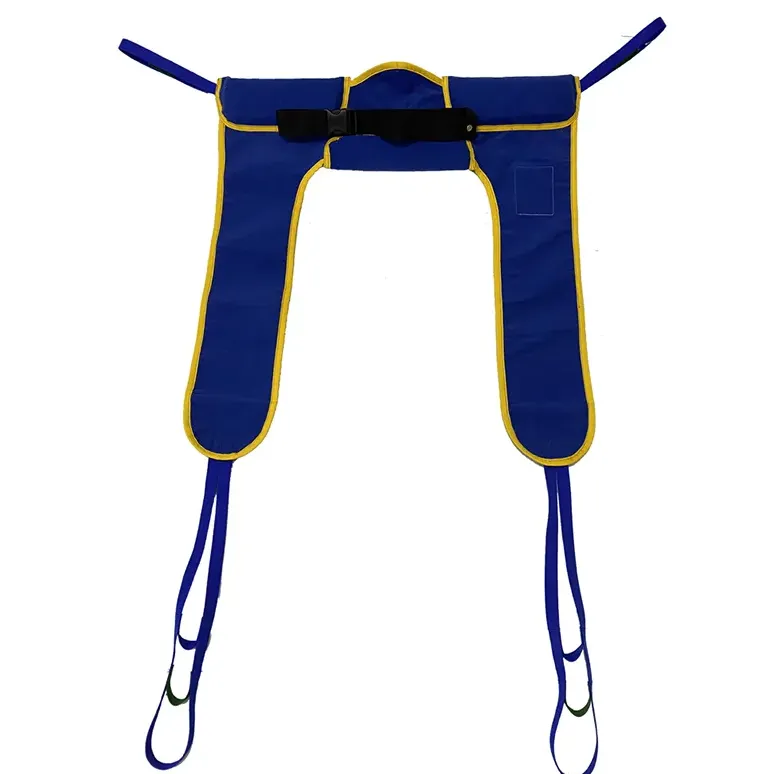
06
Jan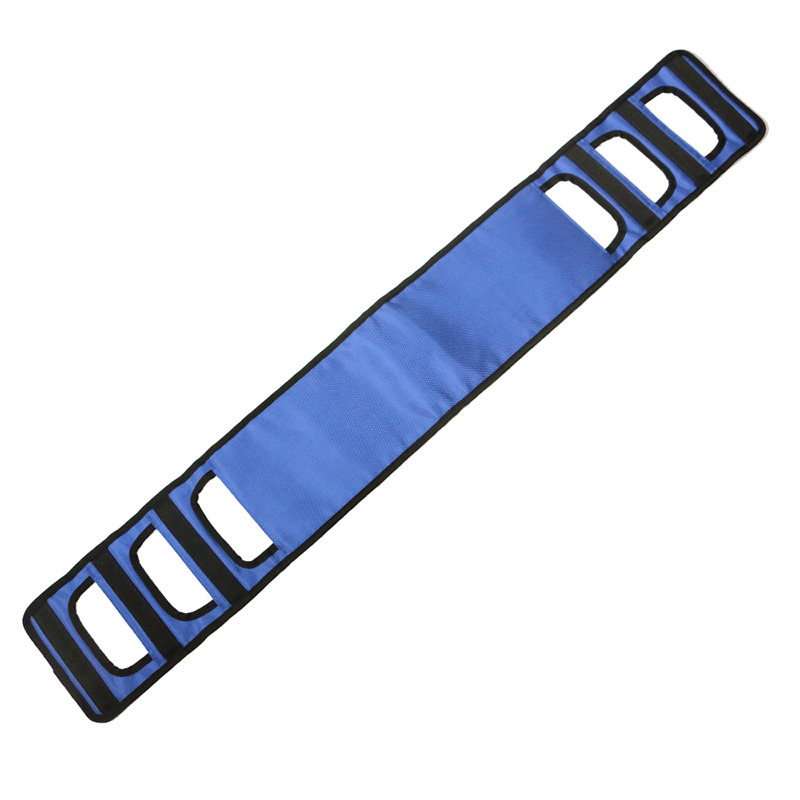

Copyright © 2024 by Dongguan Chuangguo Daily Products Co.,Ltd.