
 EN
EN


Cleaning and Maintenance of Medical Protective Pads
Proper cleaning and maintenance of Chuangguo medical protective pads ensures hygiene, durability, and long-lasting effectiveness.
View More
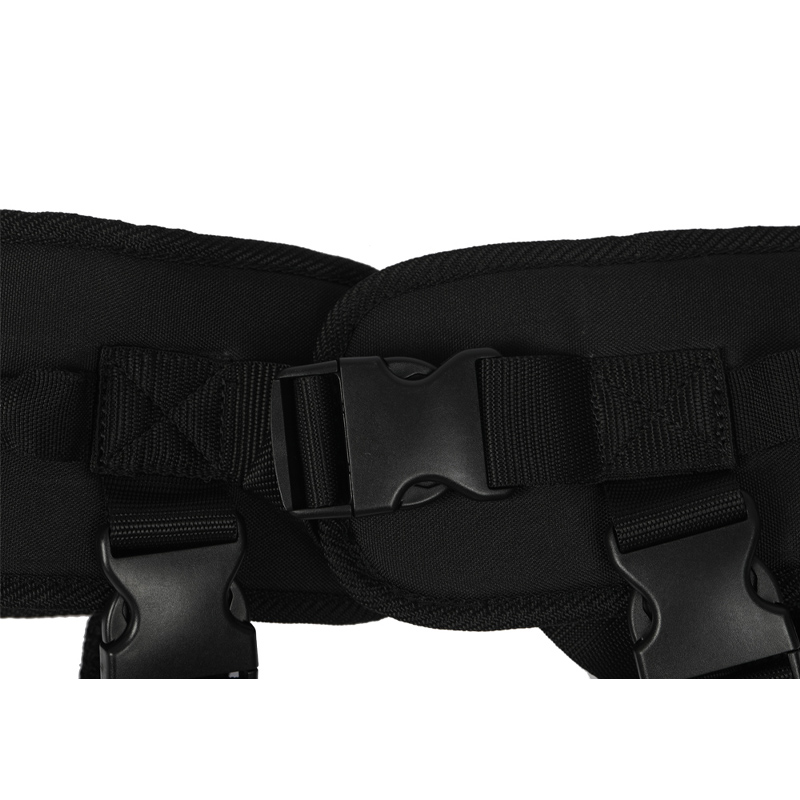
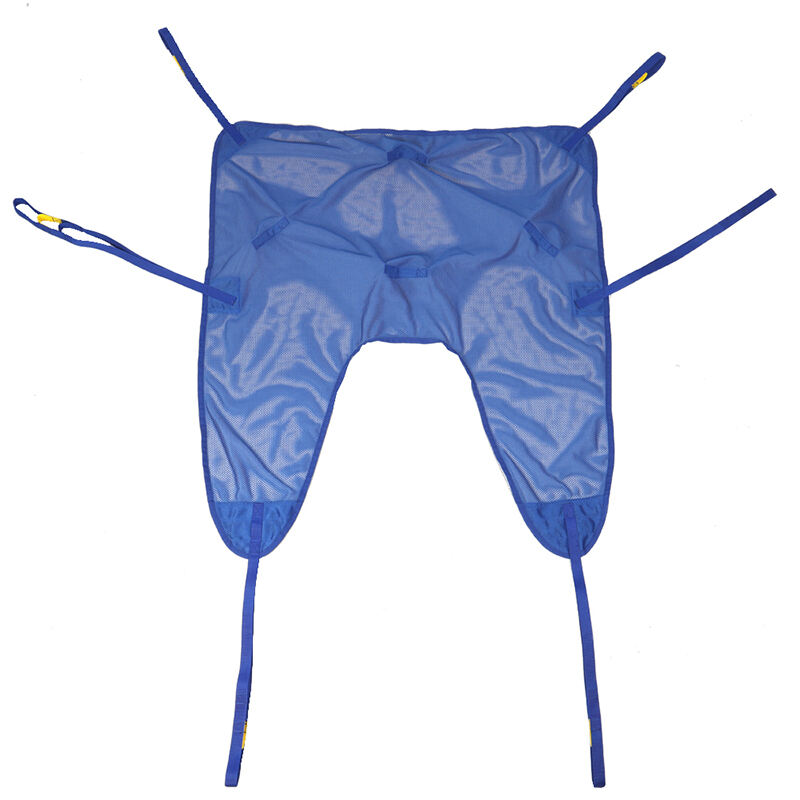
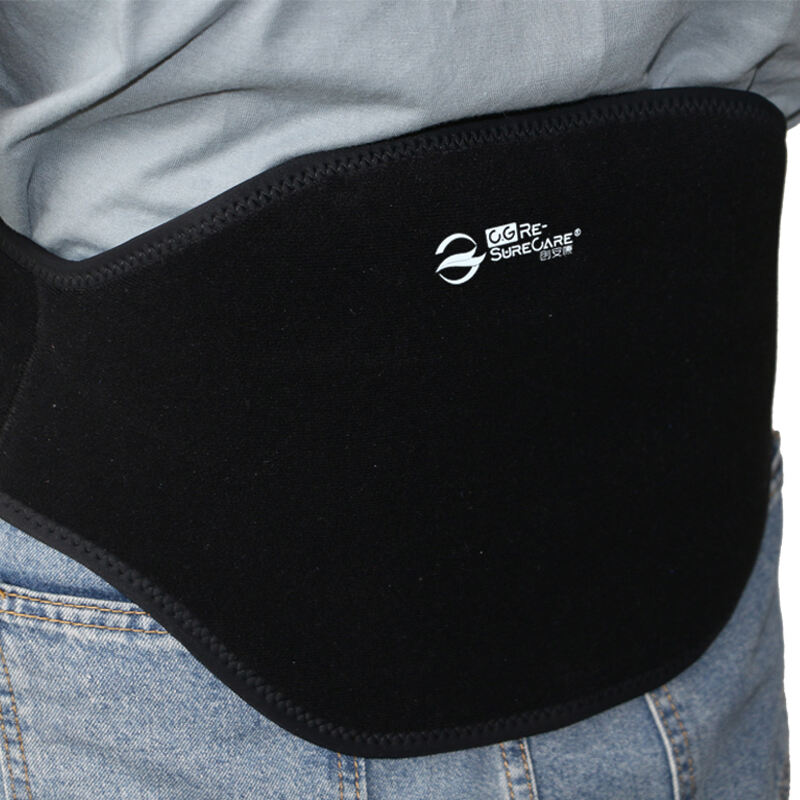
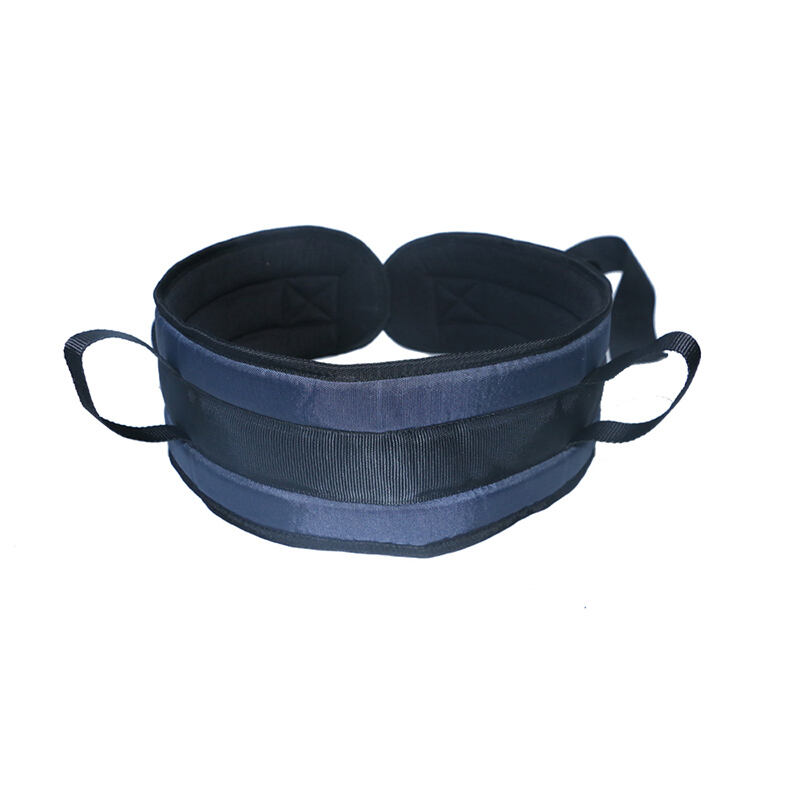
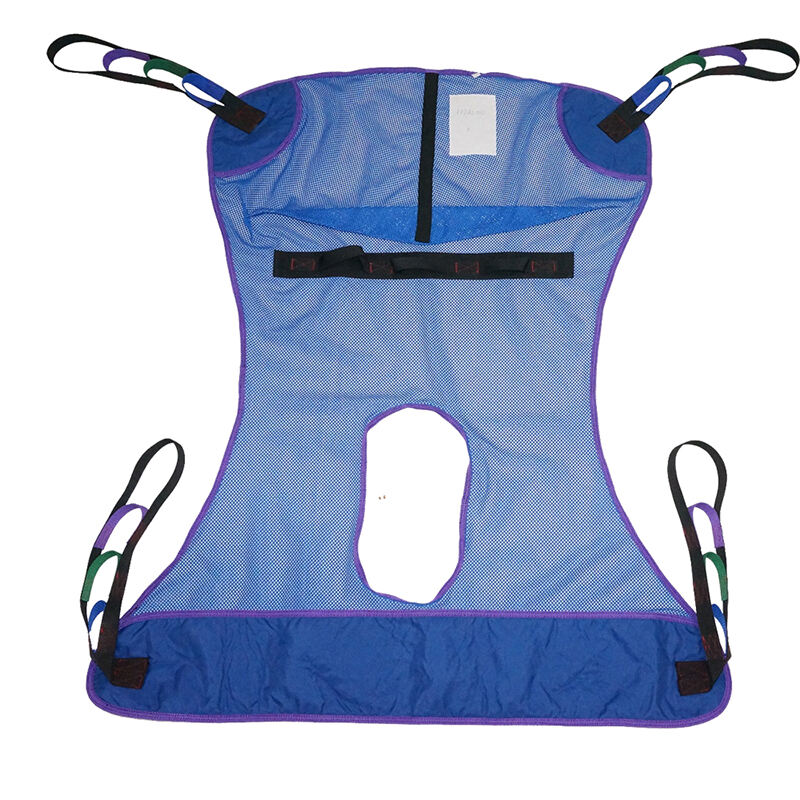
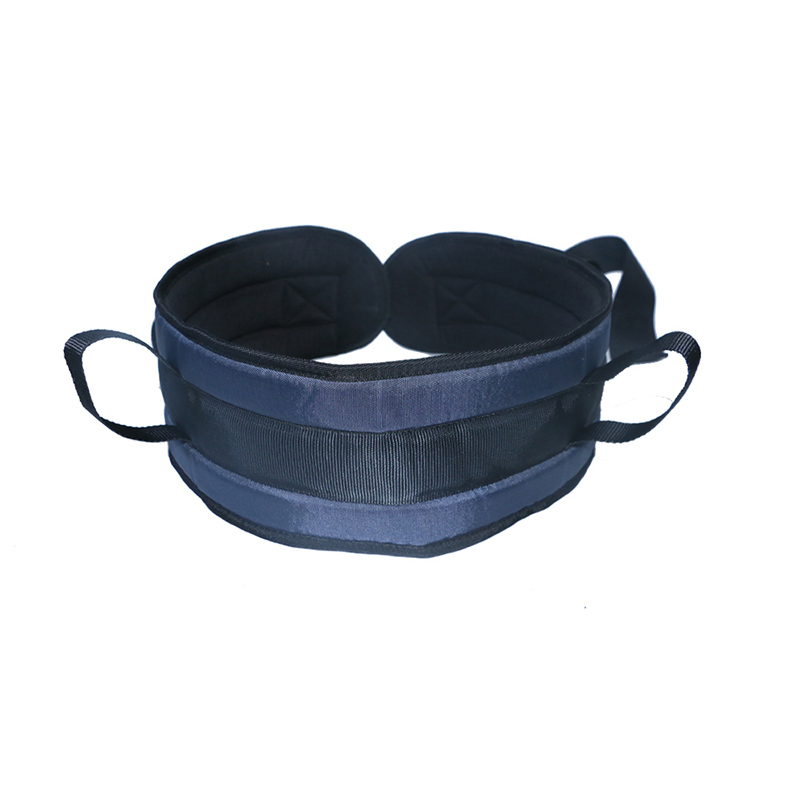
A medical transfer belt—often referred to interchangeably as a gait belt—is a foundational tool in safe patient handling, serving as the critical interface between caregiver and patient during transfers, ambulation, and repositioning. Its design philosophy is rooted in biomechanics and occupational safety, aiming to centralize the patient’s center of gravity and provide a secure, stable gripping point that reduces the risk of falls for the patient and musculoskeletal injuries for the caregiver. In a professional context spanning acute care hospitals in the US to rehabilitation clinics in Japan, the efficacy of a medical transfer belt hinges on several key specifications: webbing width (typically 2 to 5 inches) determines pressure distribution; buckle type (quick-release, locking metal-tooth, or plastic side-release) affects both security and ease of use in emergent situations; and material composition (cotton, nylon, or padded variants) influences durability, comfort, and hygiene maintenance. Modern iterations of the medical transfer belt have evolved to address specialized needs; for instance, padded belts with contoured shapes are preferred for bariatric patients or individuals with abdominal sensitivity, distributing forces over a larger area to prevent soft tissue injury. For geriatric care, which is a growing focus in countries like Germany and Canada, belts with non-slip inner linings provide additional security against riding up or shifting during use. The versatility of the medical transfer belt extends to its application across various patient populations—from post-operative orthopedic patients who require stable support during initial ambulation, to neurological patients with hemiplegia who need asymmetrical support. From a cultural and training perspective, the successful implementation of transfer belts is contingent upon standardized caregiver education that emphasizes proper placement around the patient’s waist or lower ribcage, correct hand-gripping techniques (underhand versus overhand), and coordinated movement mechanics. For OEM/ODM manufacturing, the focus is on exceeding regulatory standards such as ISO 10535 for patient lifting aids, ensuring that every belt undergoes rigorous testing for breaking strength and buckle integrity. As healthcare systems globally shift toward value-based purchasing, the selection of a high-quality medical transfer belt is recognized as a cost-effective investment that directly correlates with reduced staff injury claims, improved patient fall metrics, and enhanced patient dignity during mobility assistance, thereby aligning clinical outcomes with operational excellence across diverse care settings.
12
Nov
22
Nov
06
Dec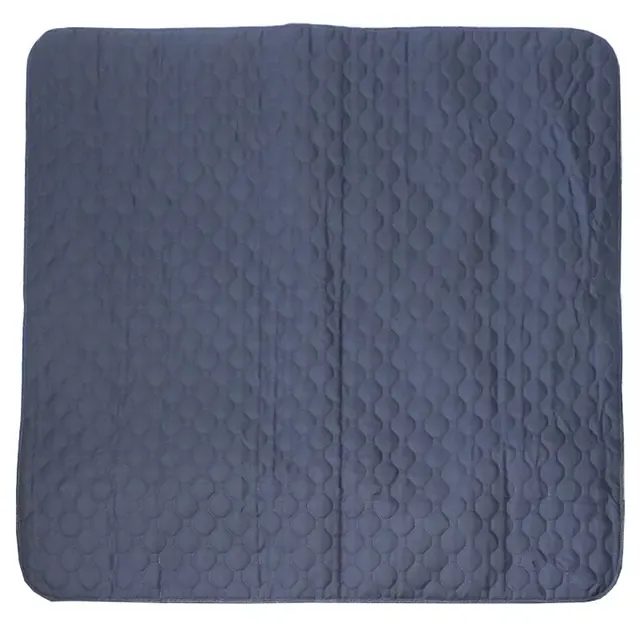
24
Dec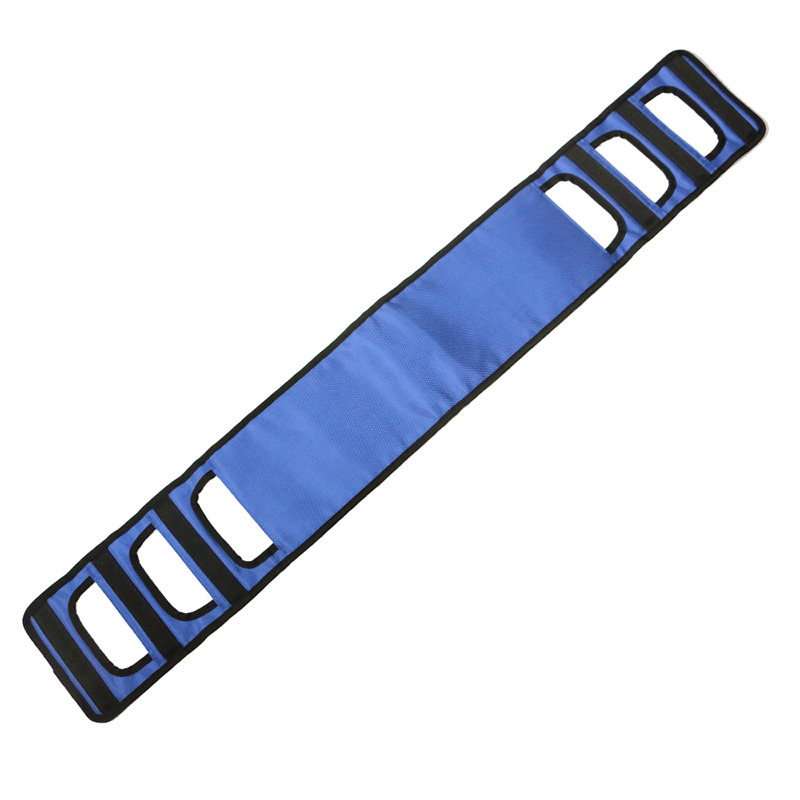

Copyright © 2024 by Dongguan Chuangguo Daily Products Co.,Ltd.