
 EN
EN


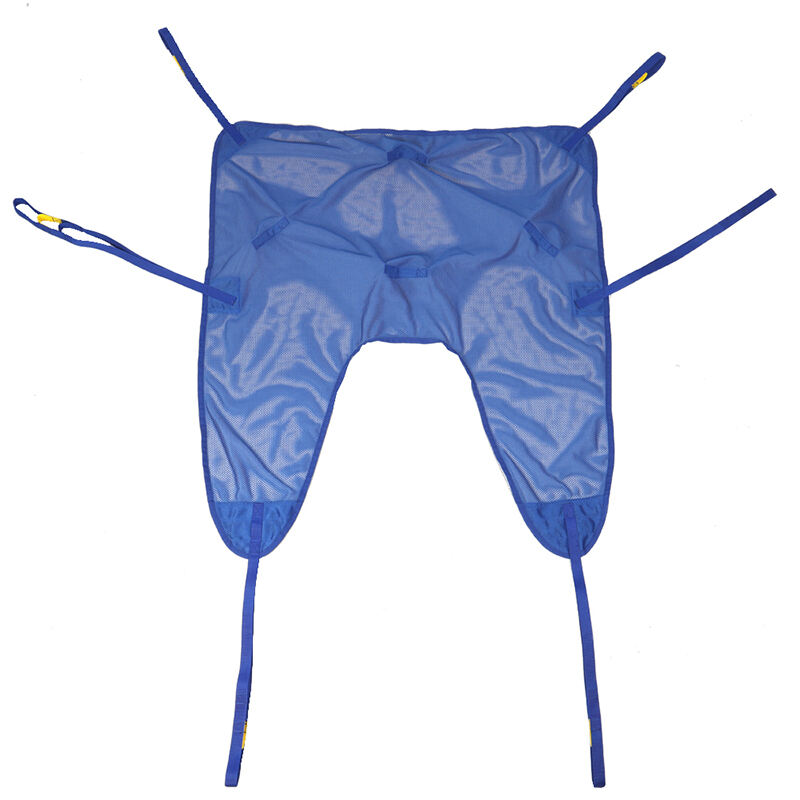
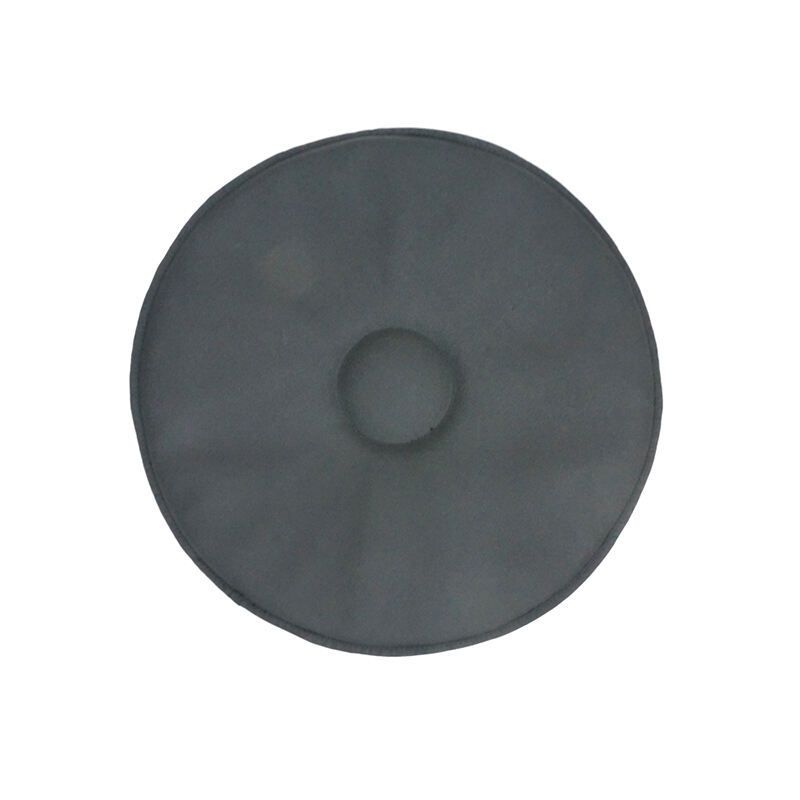
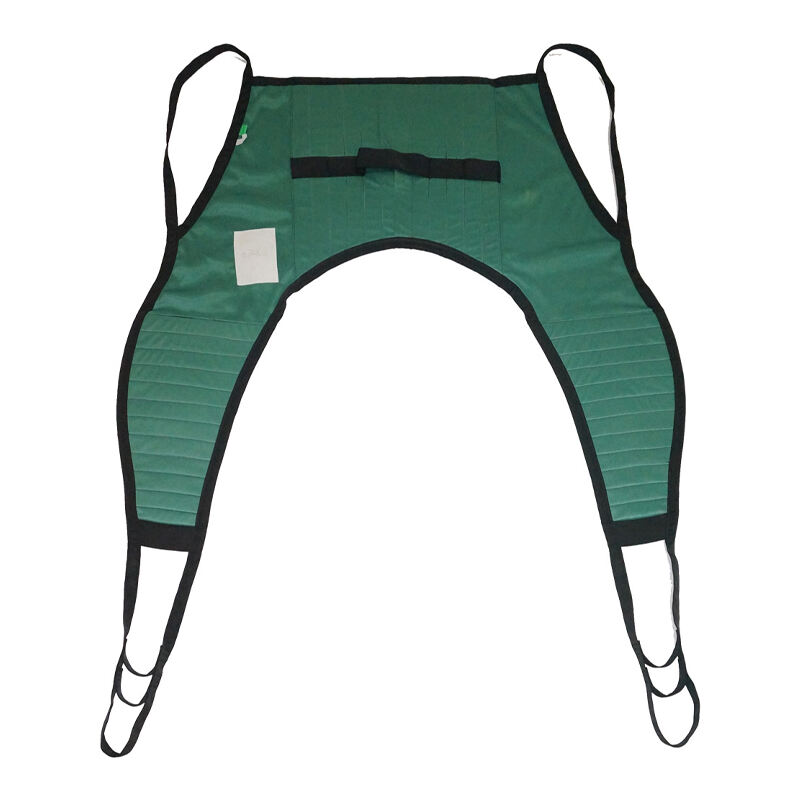
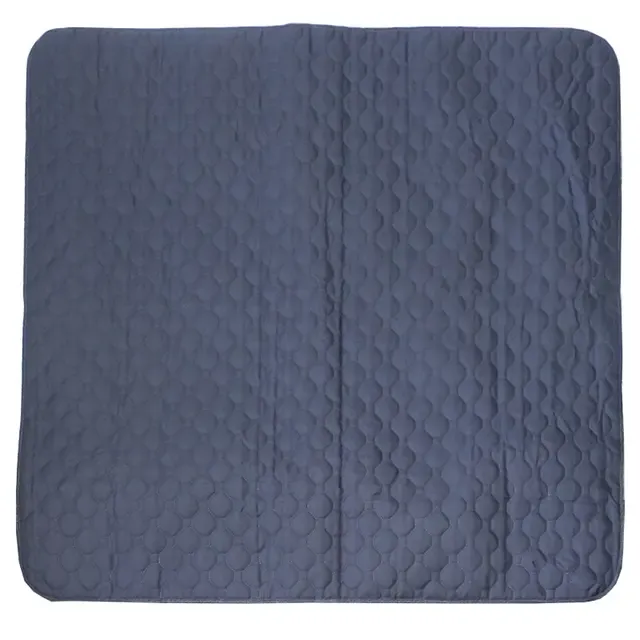
Cleaning and Maintenance of Medical Protective Pads
Proper cleaning and maintenance of Chuangguo medical protective pads ensures hygiene, durability, and long-lasting effectiveness.
View More
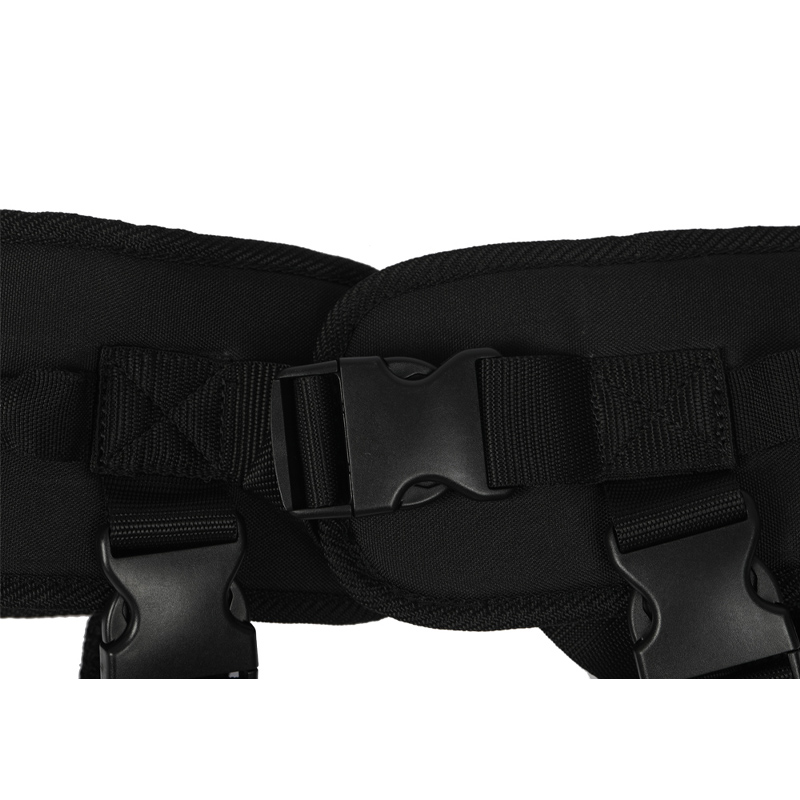
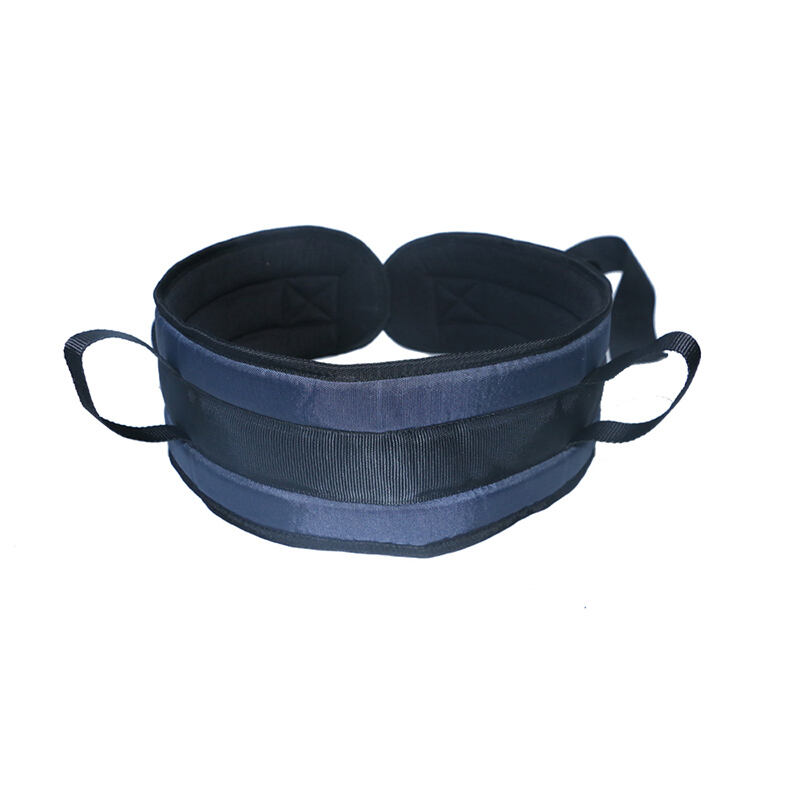
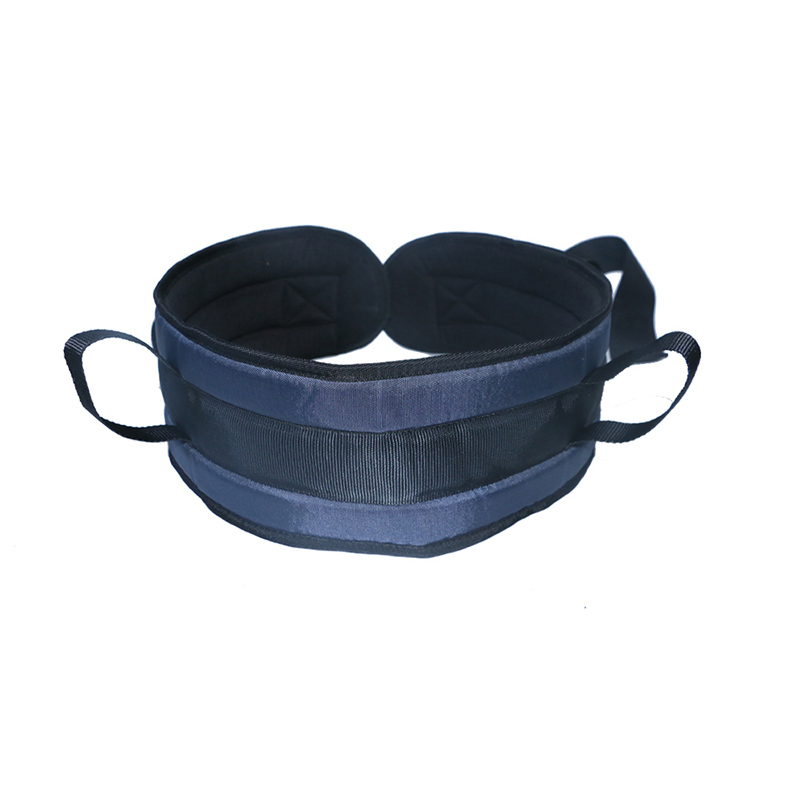
Understanding the proper gait belt use is a cornerstone of safe and effective patient mobility assistance, transcending mere technique to encompass a comprehensive approach to risk management, caregiver ergonomics, and patient empowerment. Correct gait belt use begins with the selection of an appropriately sized belt—typically 54 to 60 inches for standard adults, with longer lengths available for bariatric populations—ensuring that after being snugly secured around the patient’s waist (or over a light layer of clothing to prevent skin shear), there is minimal excess webbing that could pose a trip hazard. The positioning of the belt is critical; it should rest just above the iliac crests, avoiding the lower ribcage to prevent respiratory restriction and ensuring the buckle is not positioned over the spine or abdomen to avoid pressure points. For the caregiver, gait belt use involves adopting a wide base of support, maintaining a neutral spine, and utilizing the belt as a controlled anchor point to guide the patient’s center of gravity during sit-to-stand transfers, pivots, and ambulation. In various cultural and healthcare contexts—from home health environments in the UK where a single caregiver may manage a family member, to bustling hospital wards in the US—the technique must be adaptable. For instance, during ambulation, the caregiver typically walks on the patient’s weaker side, holding the belt with an underhand grip to provide both stability and the ability to react instantly to a loss of balance. Advanced gait belt use also incorporates “two-person” techniques for complex transfers, where one caregiver manages the belt for stabilization while another supports the lower extremities. The psychological dimension of gait belt use is equally important; when patients understand that the belt is a safety tool akin to a seatbelt, rather than a restrictive device, it fosters cooperation and preserves dignity. Proper gait belt use is also a documented best practice in fall prevention programs, serving as a key intervention in regulatory frameworks like those from OSHA and the CDC. Training programs that emphasize simulation-based practice for gait belt use have been shown to significantly reduce staff injury rates and enhance patient confidence during rehabilitation. For manufacturers and healthcare institutions, promoting standardized gait belt use protocols—including regular equipment inspection for fraying or buckle wear—represents a commitment to a culture of safety that is universally valued, whether in a high-acuity clinical setting in Japan or a skilled nursing facility in Canada, making it an indispensable component of quality patient care.
12
Nov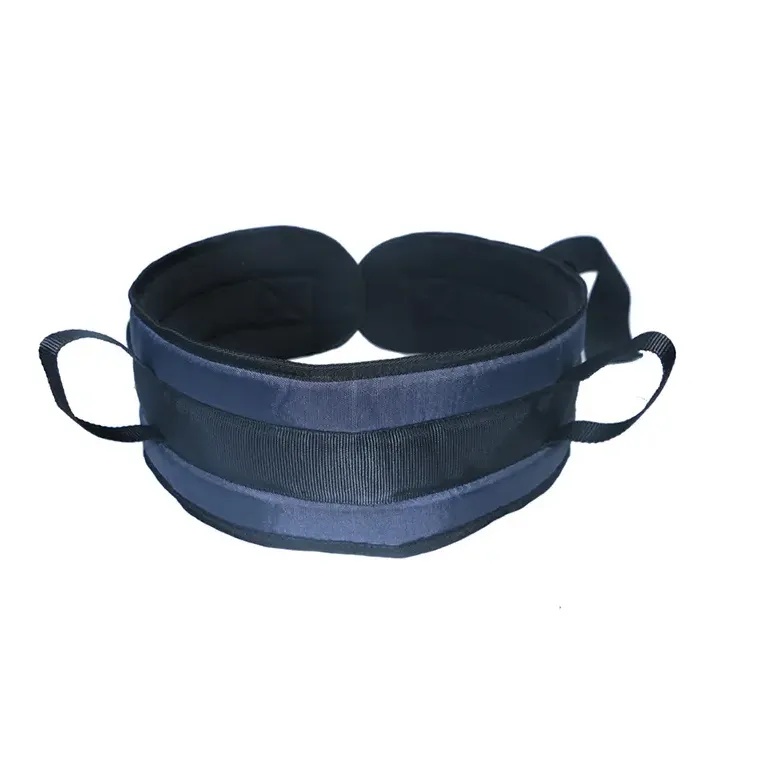
24
Dec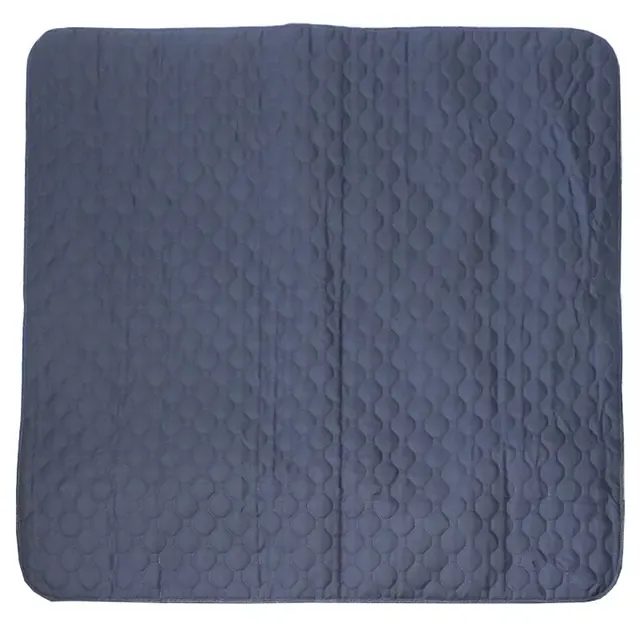
24
Dec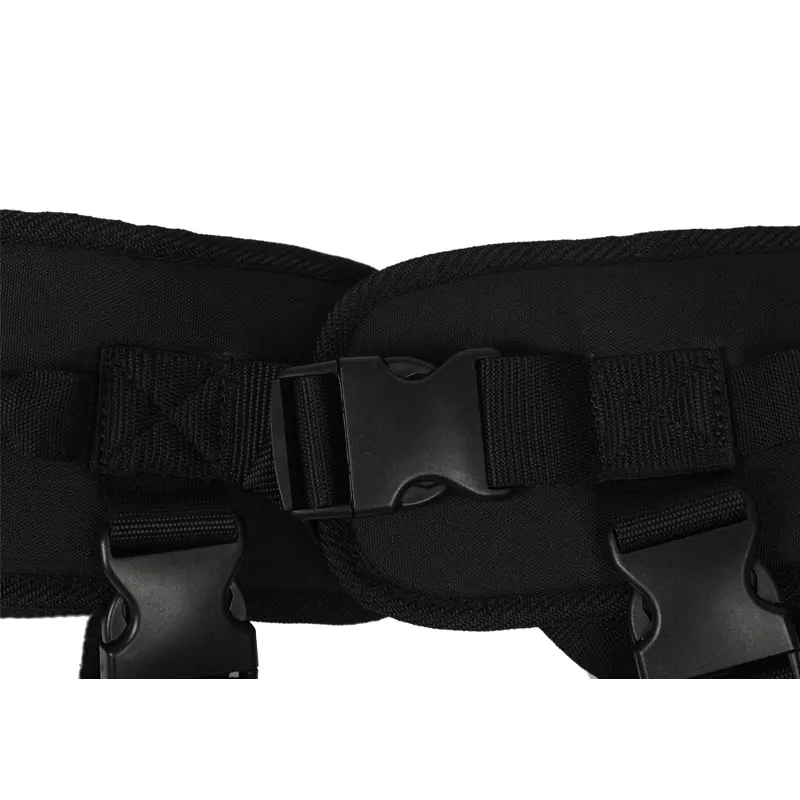
24
Dec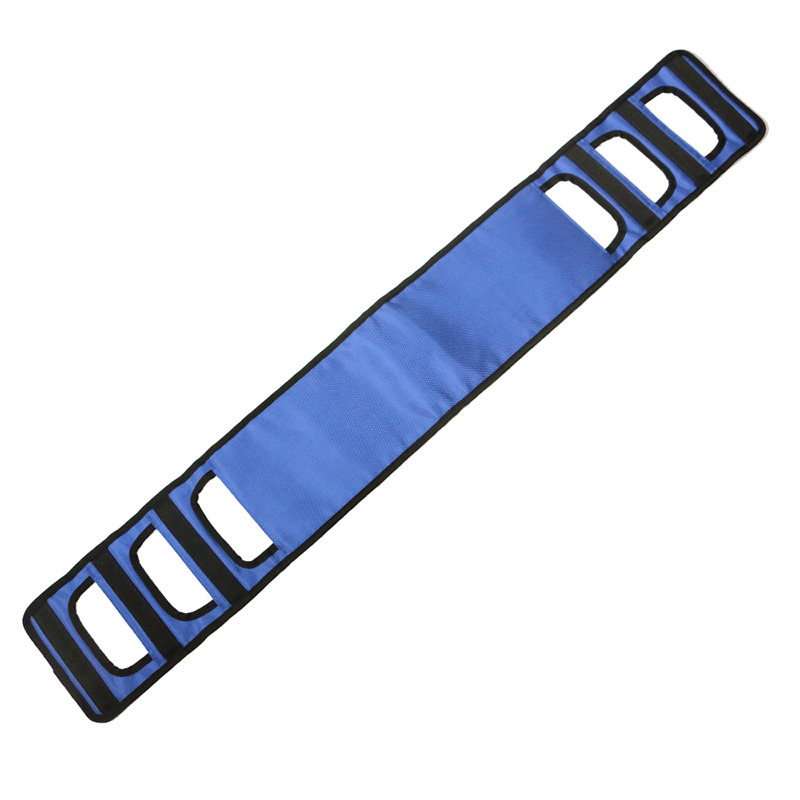

Copyright © 2024 by Dongguan Chuangguo Daily Products Co.,Ltd.