
 EN
EN


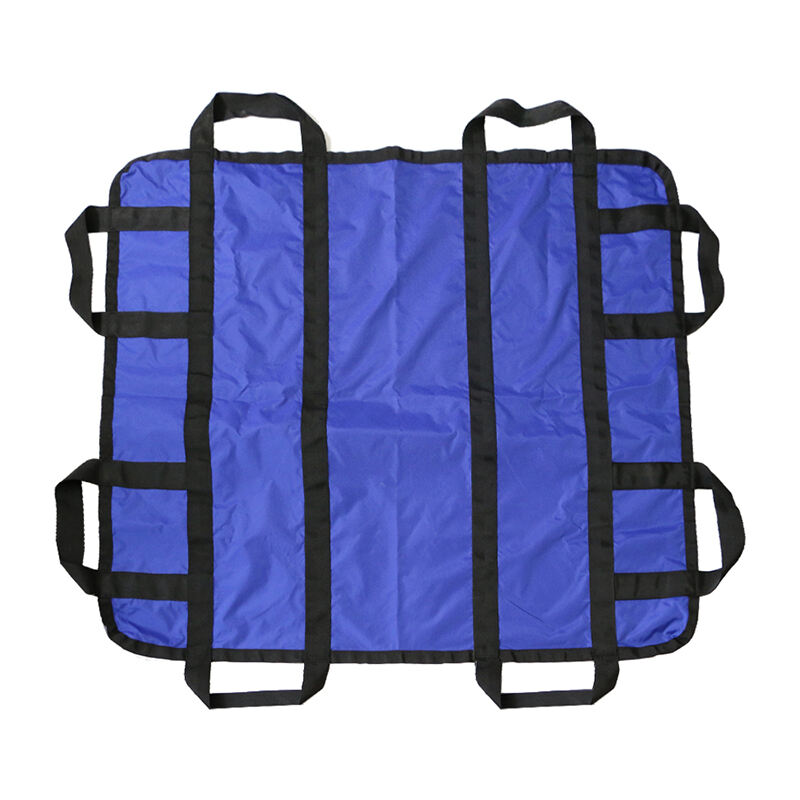
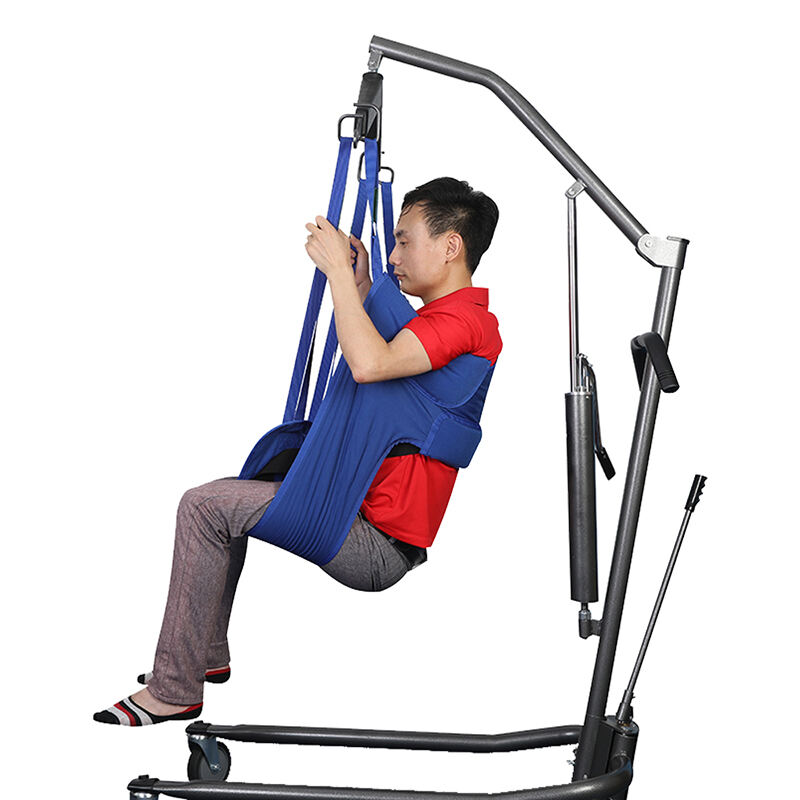
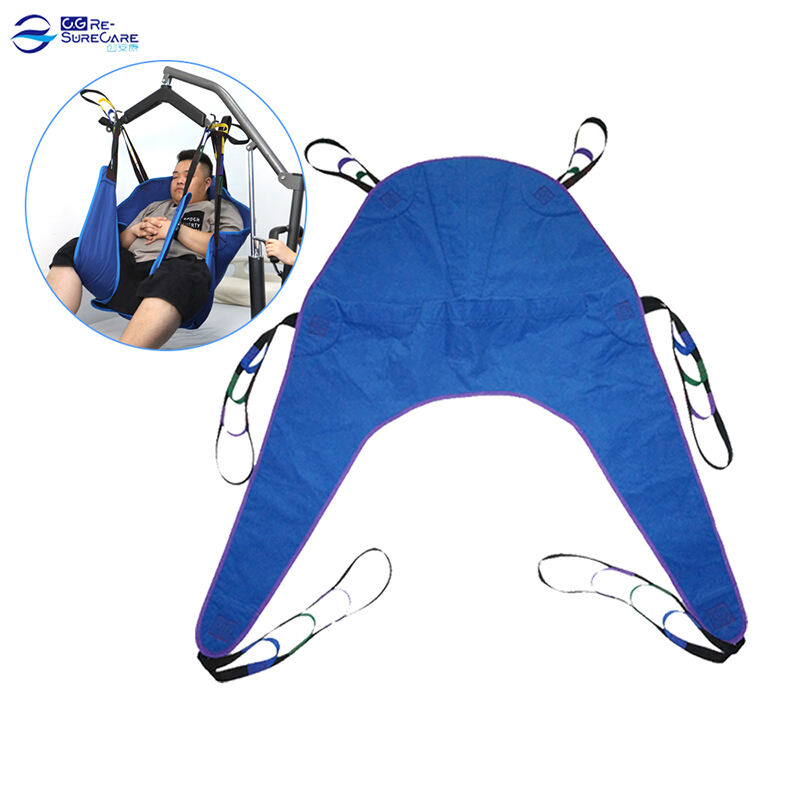
Role of Transfer Slings in Home Care
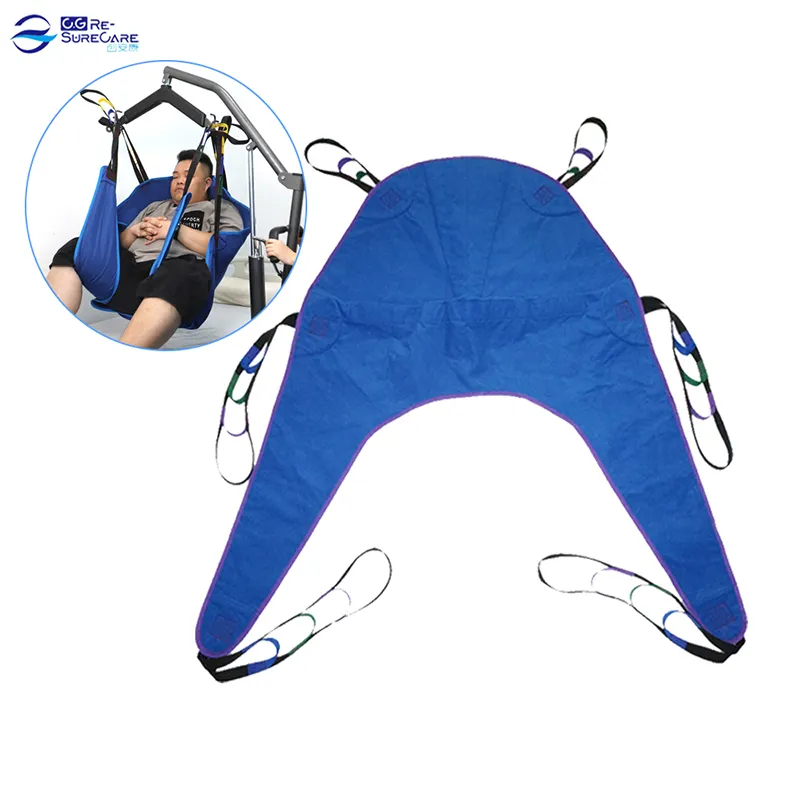
Chuangguo transfer slings enhance safety, comfort, and efficiency in home care, reducing strain on caregivers and ensuring patient dignity.
View More
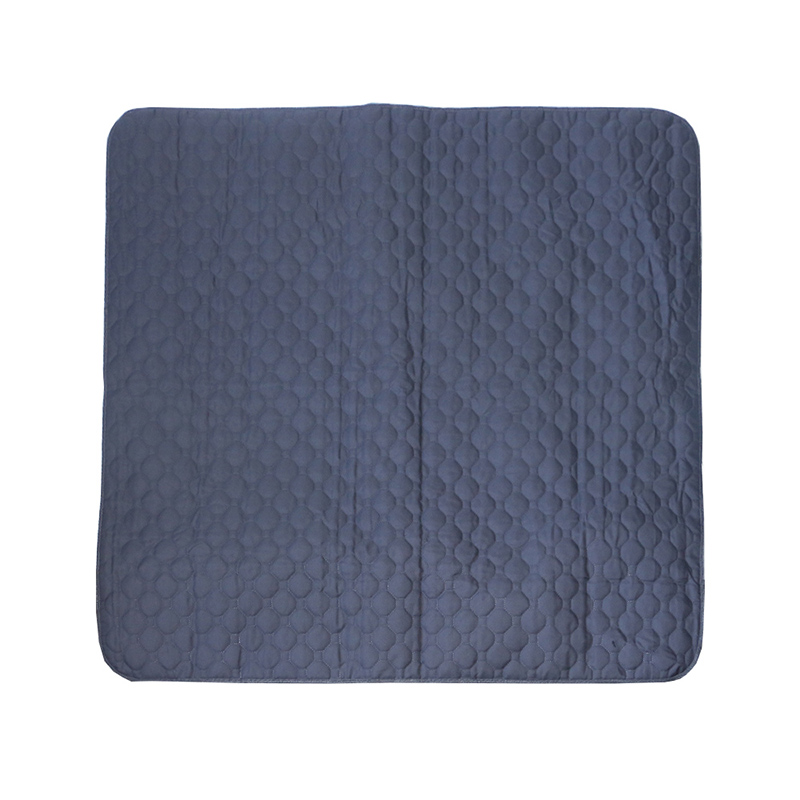
The category of medical pads for longterm patient use demands a sophisticated convergence of material science, pressure redistribution engineering, and human-centered design to address the complex challenge of immobility-related tissue damage. These pads—which include wheelchair seat cushions, heel protectors, elbow pads, and full-body pressure redistribution overlays—are not passive comfort items but active clinical interventions. For patients facing prolonged bed rest or wheelchair dependency, often within varied cultural care settings ranging from home-based family care in the UK to institutional long-term care facilities in the United States and Canada, the primary objective is the prevention of pressure injuries (decubitus ulcers). Effective pads utilize advanced foam composites, often incorporating viscoelastic memory foam with multi-layered support cores, or alternating pressure air cell technologies that dynamically shift contact points. The selection of cover materials is equally critical; high-quality pads feature breathable, moisture-wicking, and shear-reducing fabrics that maintain skin microclimate integrity, which is fundamental to tissue viability. From a cultural perspective, the design must accommodate varying care practices—for example, in Germany where strict quality and durability standards (such as those from TÜV or similar bodies) are expected, or in markets where family caregivers perform turning schedules at home. This necessitates pads that are lightweight for ease of handling, yet robust enough to withstand daily cleaning. Furthermore, the pads must be available in anatomically diverse sizes to respect varying body morphologies across populations, ensuring that pressure is redistributed effectively without causing discomfort at edges or seams. The economic aspect of longterm patient use also dictates that these pads are constructed for longevity, with replaceable components where applicable, offering a lower total cost of ownership. By integrating antimicrobial treatments into the fabric, these pads also serve a crucial role in infection control—a universal concern. For healthcare providers and OEM partners, the development of such medical pads involves rigorous testing for compression set, flame retardancy, and durability, ensuring compliance with international medical device regulations. Ultimately, the right medical pad for longterm patient use is a cornerstone of preventative care, enhancing patient quality of life by enabling safer, more comfortable mobility support and reducing the immense clinical and economic burden of pressure injury treatment across all healthcare systems.
06
Dec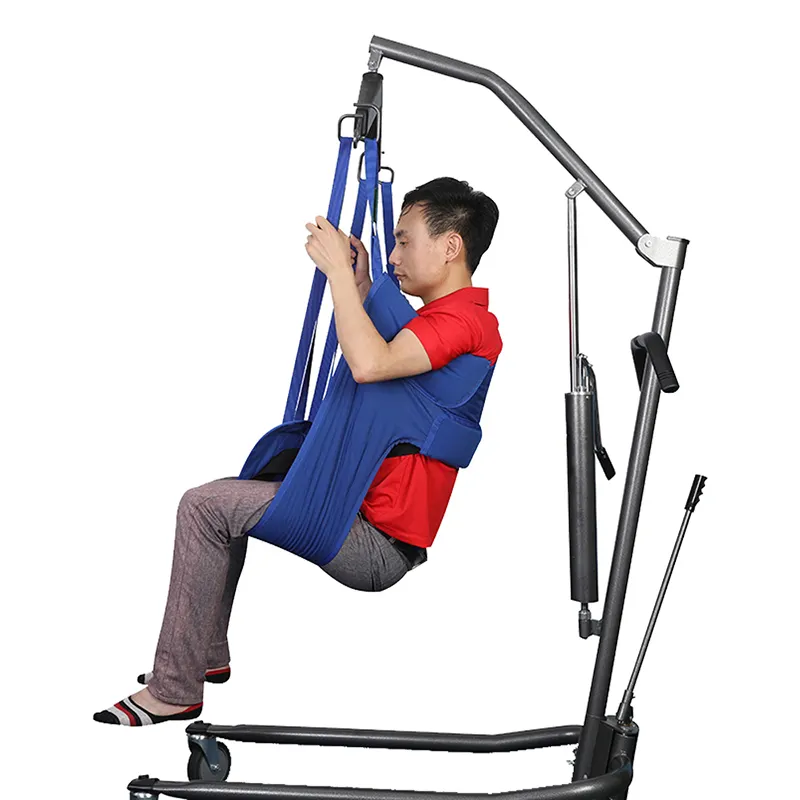
25
Feb
20
Mar
20
Mar

Copyright © 2024 by Dongguan Chuangguo Daily Products Co.,Ltd.