
 EN
EN


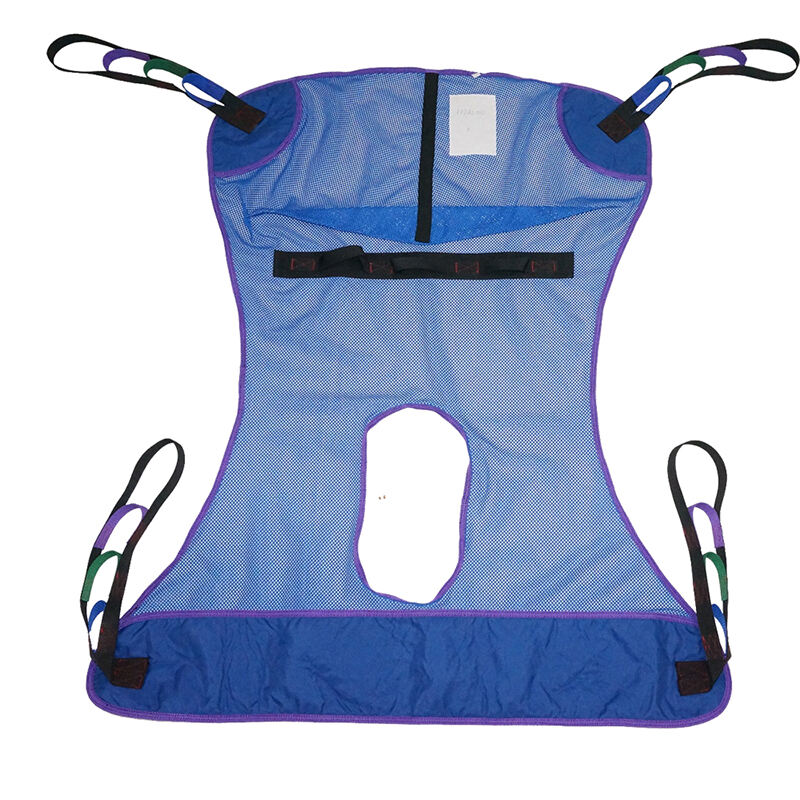
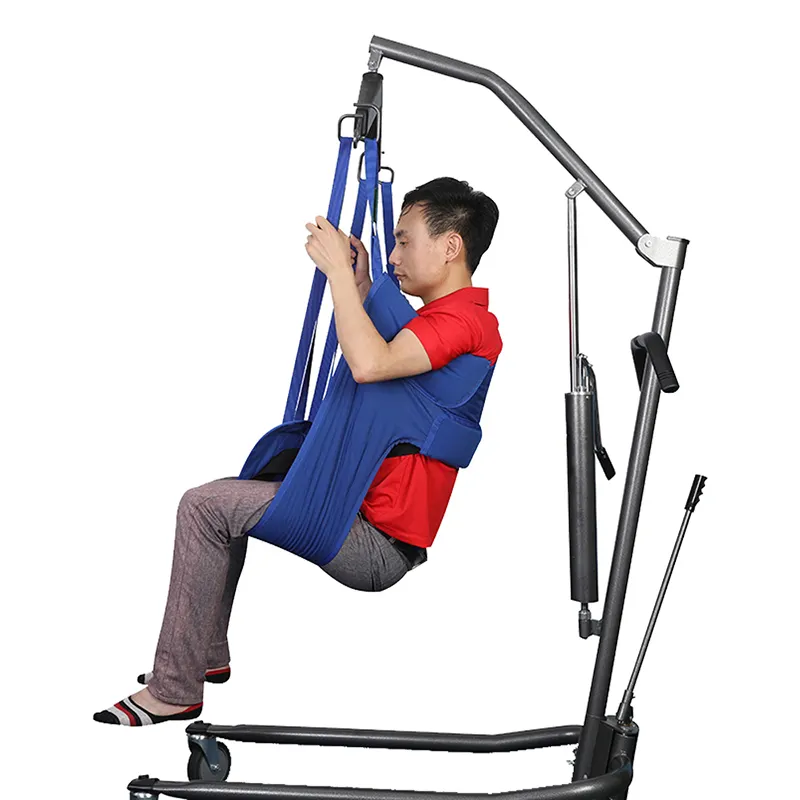
Application and Care of Toileting Slings
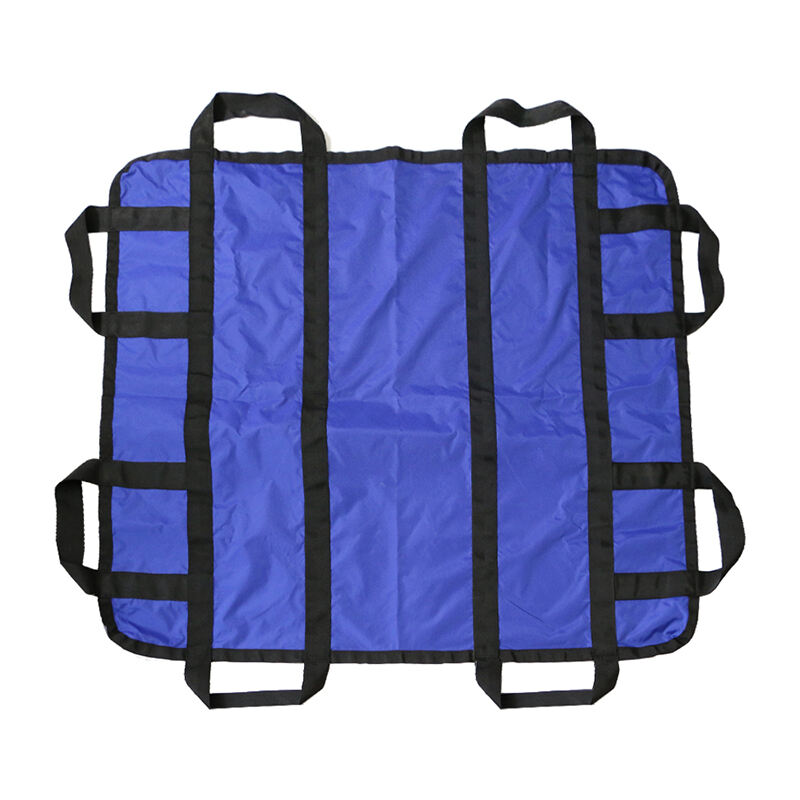
Toileting slings from Chuangguo enhance safety and comfort for individuals with limited mobility during toileting transfers.
View More
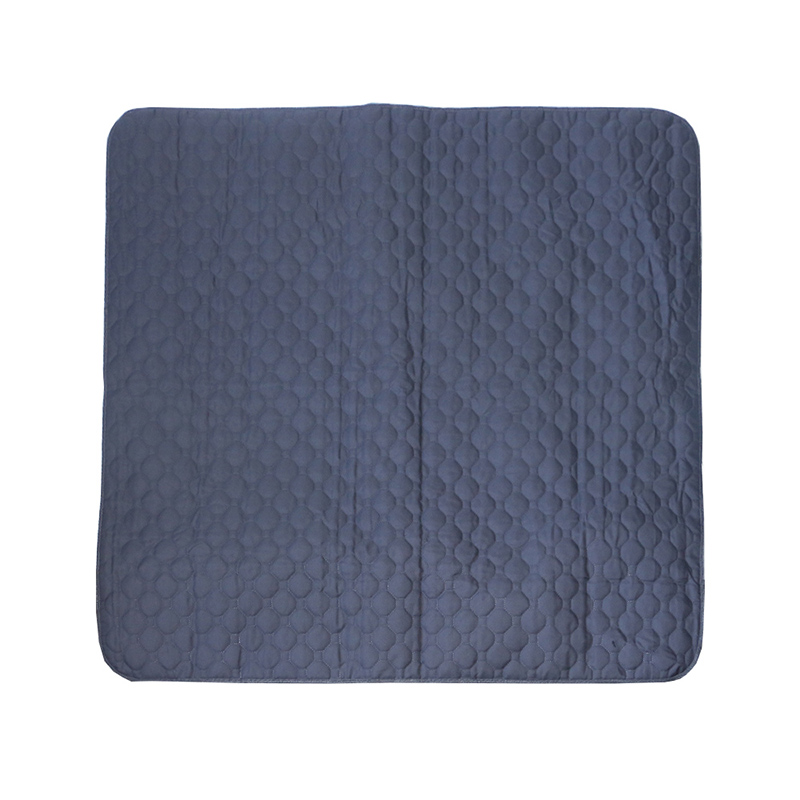
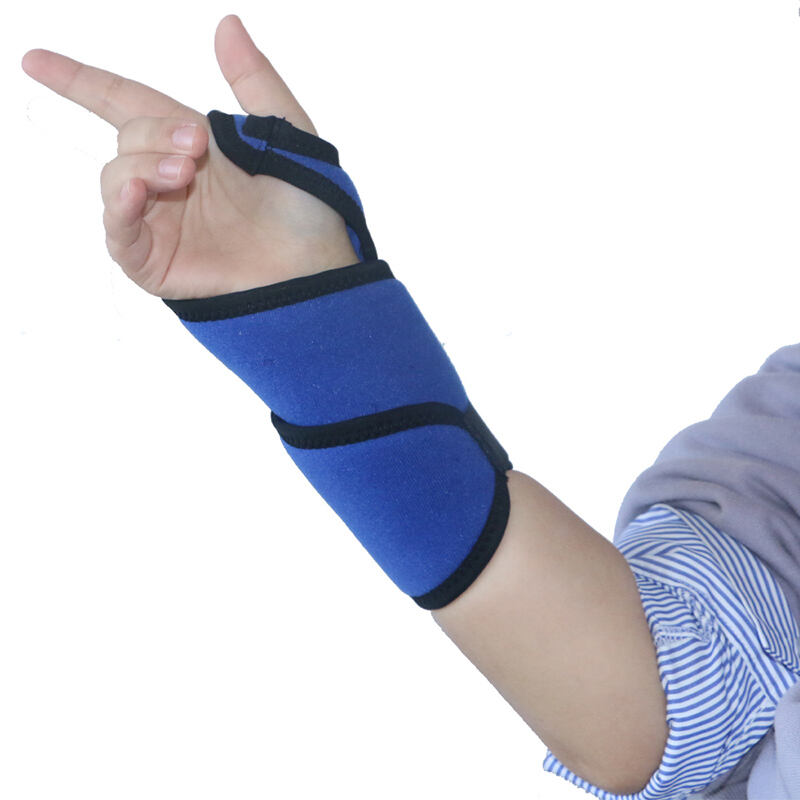
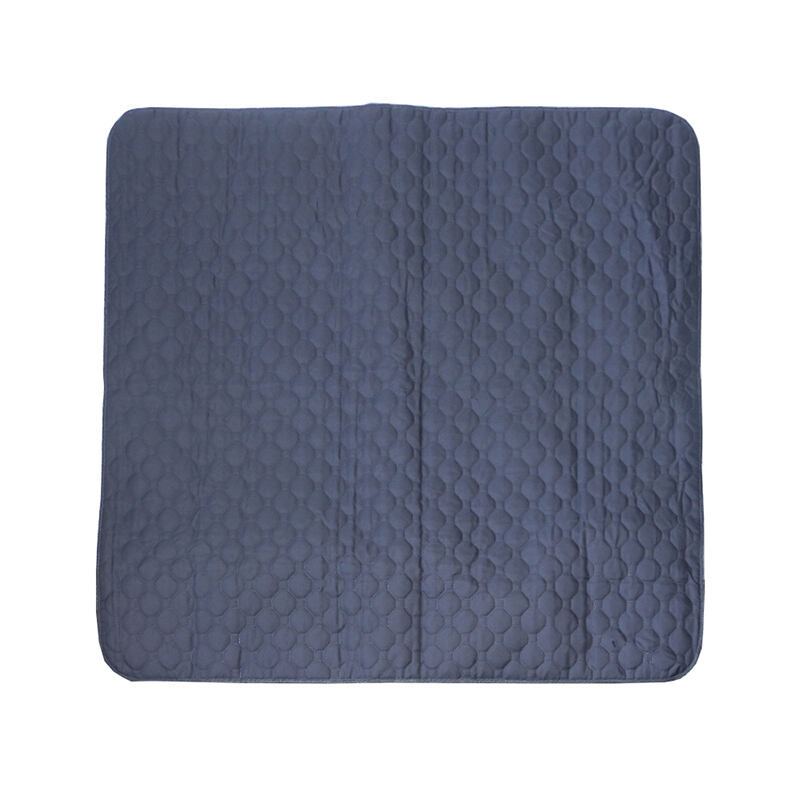
The concept of medical pads for patient comfort extends far beyond simple cushioning, representing a sophisticated intersection of pressure management, microclimate control, and human-centered design that directly influences clinical outcomes, patient satisfaction, and the overall healing environment. These pads—encompassing wheelchair cushions, positioning wedges, elbow and heel protectors, and seating supports—are engineered to address the constant forces exerted on the body during periods of limited mobility, which can lead to discomfort, pain, and the development of pressure injuries. In a modern healthcare context that spans rehabilitation centers in Canada to long-term care facilities in the UK and home health environments in the United States, medical pads for patient comfort must fulfill multiple, often competing, requirements. They must be firm enough to provide stable postural support, yet soft enough to conform to bony prominences; they must be durable enough to withstand repeated use and cleaning, yet gentle on fragile or compromised skin. Advanced solutions utilize multi-layer foam composites where a high-resilience base provides structural support while a viscoelastic top layer reduces peak pressures by up to 30% compared to standard foam. The integration of 3D spacer fabrics or air-flow technologies addresses the critical issue of moisture accumulation—a leading cause of skin maceration and discomfort—by wicking perspiration away from the skin and allowing for air circulation. Culturally, the perception of comfort varies; in some societies, comfort is equated with softness, while in others, it is associated with stability and firmness. Therefore, a nuanced approach to product design includes offering pads in varying densities and materials, as well as providing customizable solutions such as adjustable air cells or modular components. For bariatric patients, specialized medical pads with wider footprints and higher compression resistance ensure that comfort is not compromised by increased weight load. The selection of cover materials is equally crucial: high-quality pads feature multi-stretch, waterproof yet breathable covers that are zippered for easy removal and laundering, often treated with antimicrobial agents to prevent the spread of healthcare-associated infections. From an economic perspective, investing in superior medical pads for patient comfort reduces the need for costly interventions related to pressure injury treatment, such as specialized wound care, negative pressure therapy, and extended hospital stays. Furthermore, patient comfort is increasingly recognized as a key indicator of quality in value-based care models, directly impacting patient satisfaction scores and reimbursement rates. For OEM/ODM manufacturers, the development of these pads involves rigorous biomechanical testing, including pressure mapping to visualize and optimize pressure distribution, and adherence to stringent flammability and durability standards. Ultimately, medical pads for patient comfort are a fundamental expression of the principle of non-maleficence—first, do no harm—by proactively preventing the iatrogenic effects of immobility, while simultaneously affirming the patient’s dignity through thoughtful design that prioritizes their physical and psychological well-being across all care settings.
29
Sep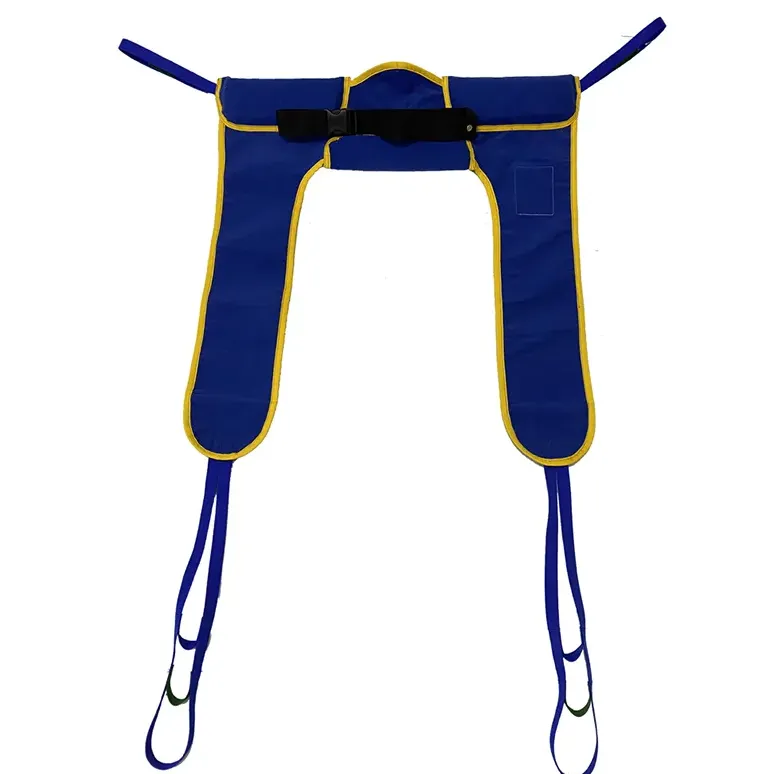
06
Jan
20
Mar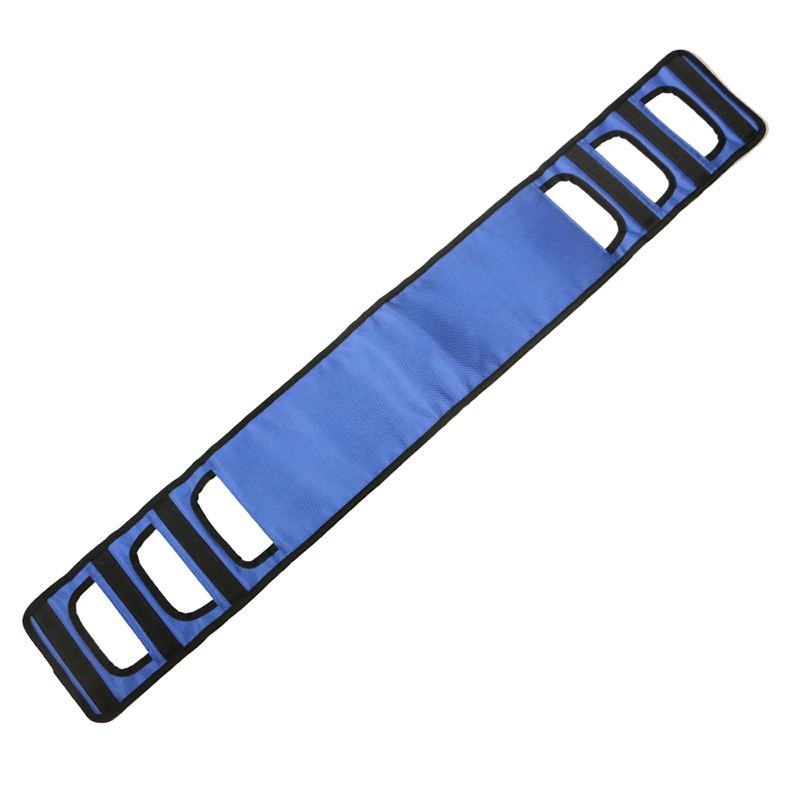
16
May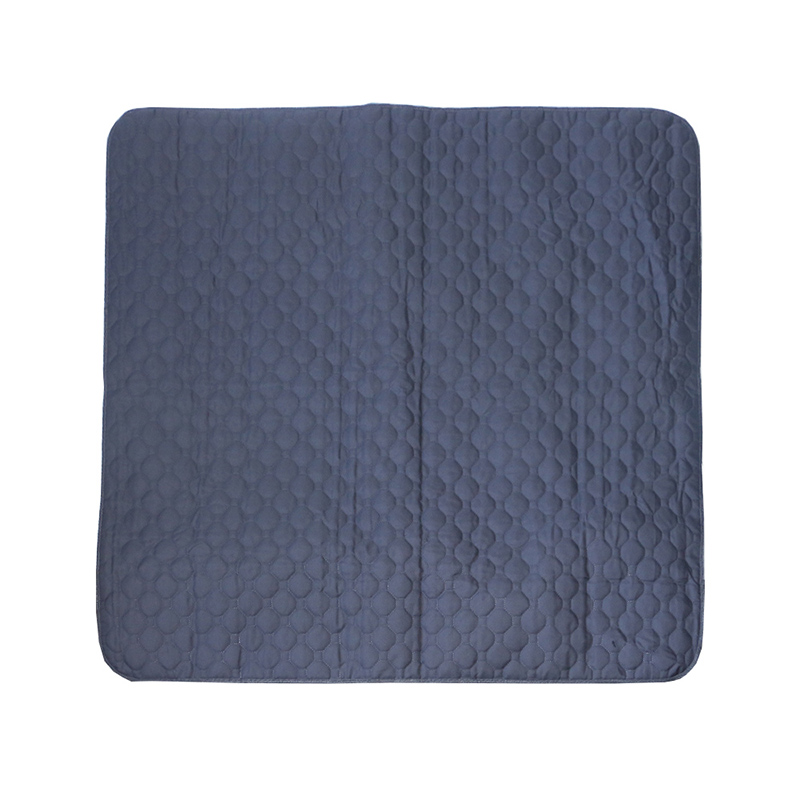

Copyright © 2024 by Dongguan Chuangguo Daily Products Co.,Ltd.