
 EN
EN


Precautions for Using Patient Gait Belts
Chuangguo patient gait belts offer secure, comfortable support for mobility, ensuring safety and proper care with correct use and maintenance.
View More
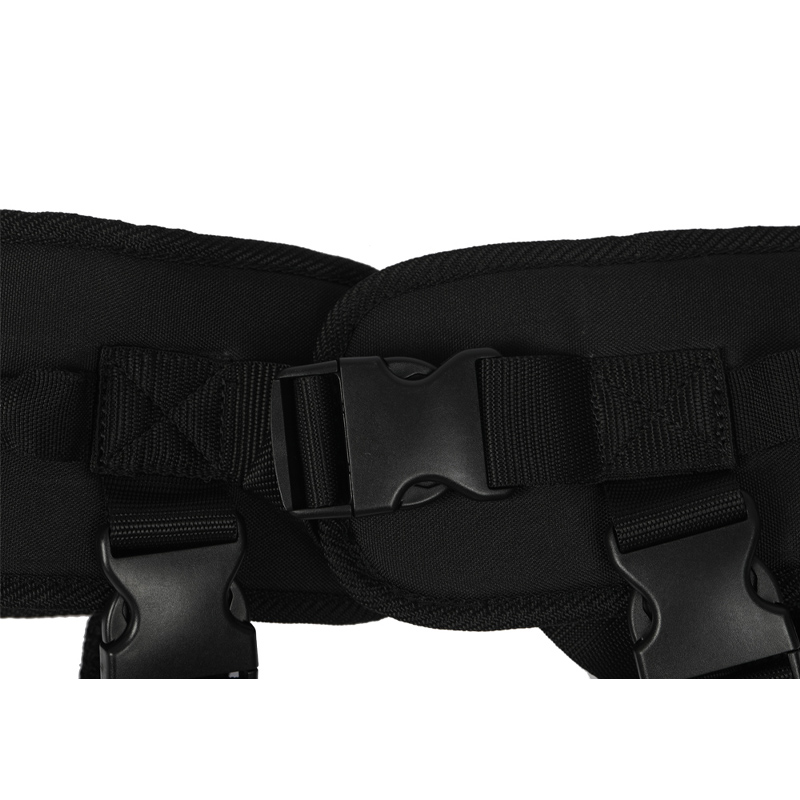
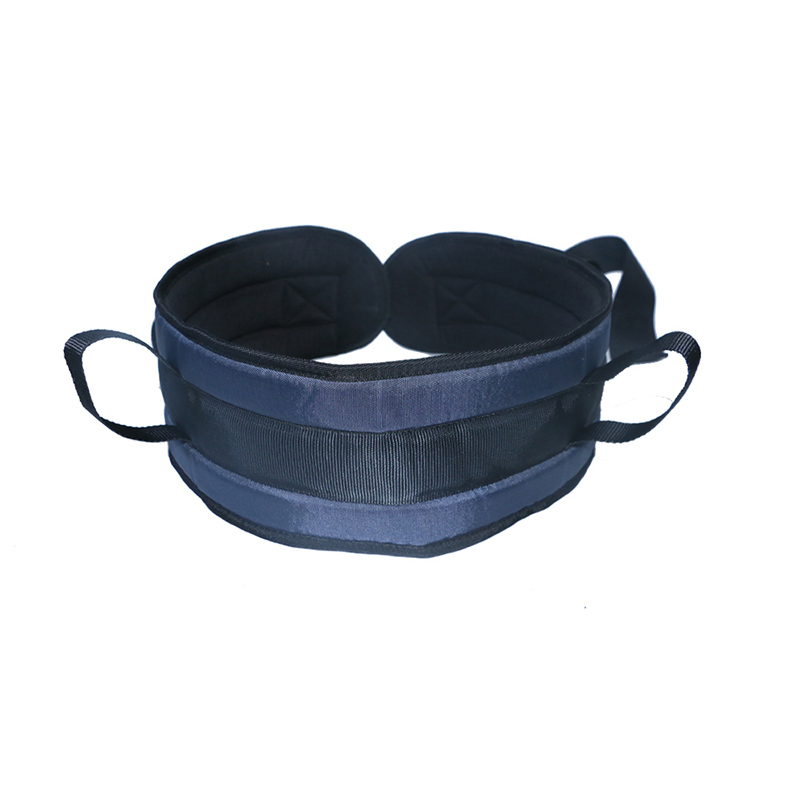
The walking belt for elderly individuals is a specialized assistive device that addresses the unique physiological and psychosocial needs of the aging population, serving as a critical enabler for maintaining mobility, independence, and safety. As the global demographic shifts toward an older population—particularly in countries like Japan, Germany, and the United States—the design and application of walking belts have evolved beyond simple webbing to incorporate ergonomic features that account for age-related changes such as reduced muscle mass, joint stiffness, and skin fragility. A superior walking belt for elderly users typically features a wider, padded construction (often 3 to 5 inches) that distributes compressive forces across a larger area, reducing the risk of soft tissue injury, bruising, or discomfort that can occur with narrow, unpadded belts. The handle design is also a key differentiator; models with multiple contoured, rigid handles or strategically placed soft loops allow caregivers to maintain secure grip points without the hand fatigue associated with grasping bare webbing, while also enabling patients to use the handles for self-supported standing or balance practice. For the elderly, the walking belt also functions as a cognitive aid—its presence signals to the user that a transfer or walk is imminent, reducing anxiety and allowing for more deliberate, coordinated movement. Culturally, the walking belt for elderly care must be introduced with sensitivity to dignity and autonomy; in many Western cultures, the concept of being “belted” can be initially perceived as restrictive, whereas in family-centric care models common in Asian cultures, it is often embraced as a practical tool for collective family involvement in mobility support. Therefore, the ideal walking belt is often offered in discreet, soft, fabric-covered designs that resemble a padded lumbar support, normalizing its appearance. Functionally, these belts must be easy to clean, as elderly users in long-term care or home settings may experience incontinence—a fact that drives material selection toward moisture-resistant and machine-washable solutions. Furthermore, the buckle mechanism should be simple enough for arthritic hands to manipulate if the patient is capable of independent application, yet secure enough to withstand sudden loading during a near-fall event. In rehabilitation contexts, the walking belt for the elderly is a staple for physical therapists working on gait re-education, balance training, and functional mobility goals, providing a controlled environment for practicing activities of daily living. By integrating features like reflective stitching for low-light visibility in home environments and quick-release mechanisms for safety, manufacturers of walking belts for elderly users are responding to the holistic needs of an aging society. For OEM/ODM partners, this product category represents a commitment to geriatric-focused innovation, delivering solutions that not only prevent falls—the leading cause of injury in older adults—but also uphold the principles of aging in place with dignity and confidence.
22
Nov
06
Dec
24
Dec
24
Dec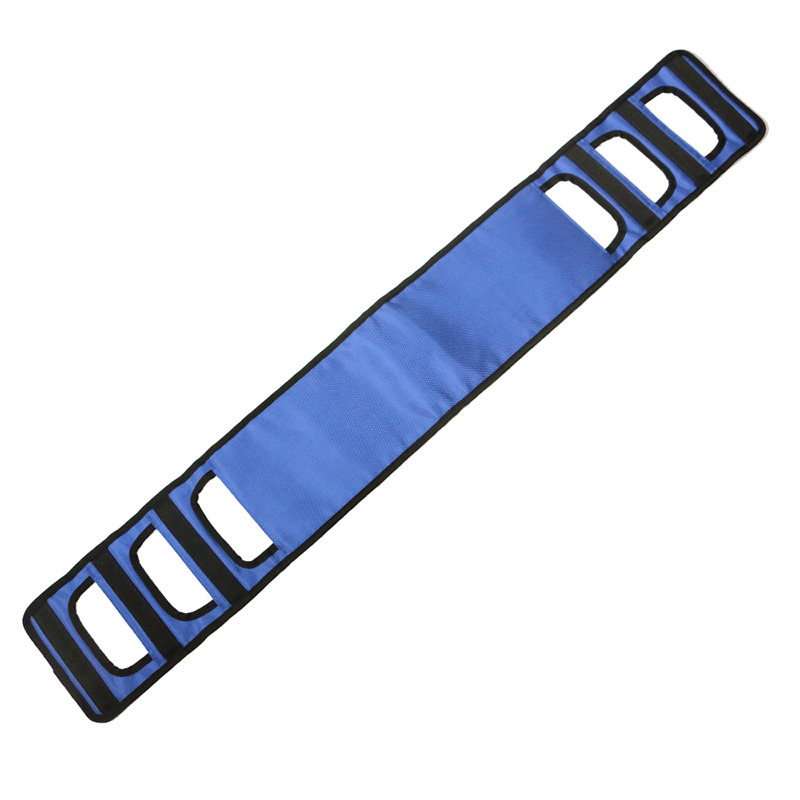

Copyright © 2024 by Dongguan Chuangguo Daily Products Co.,Ltd.