 EN
EN


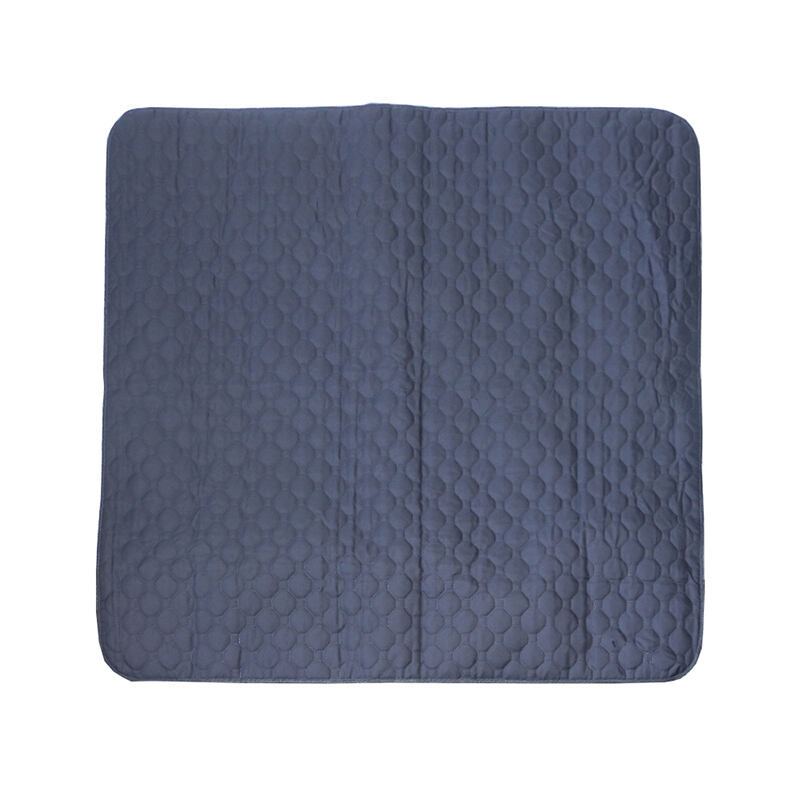
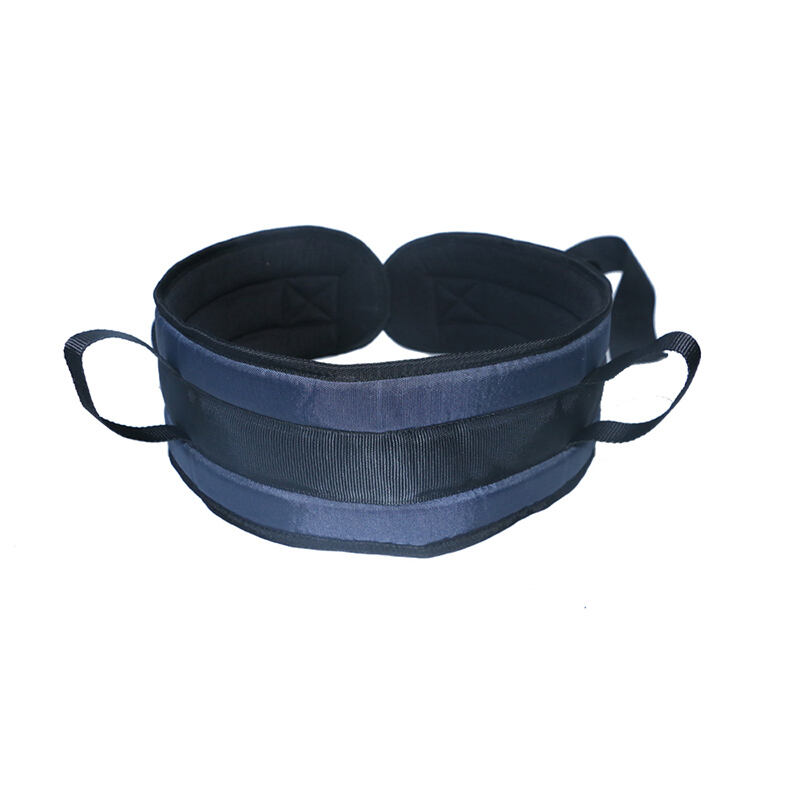
Cleaning and Maintenance of Medical Protective Pads
Proper cleaning and maintenance of Chuangguo medical protective pads ensures hygiene, durability, and long-lasting effectiveness.
View More
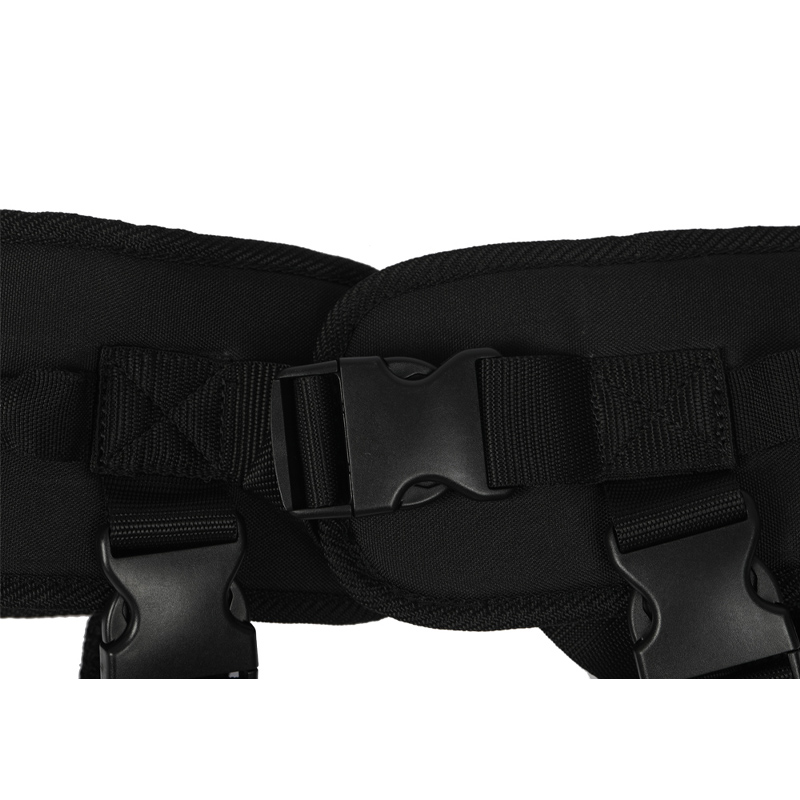
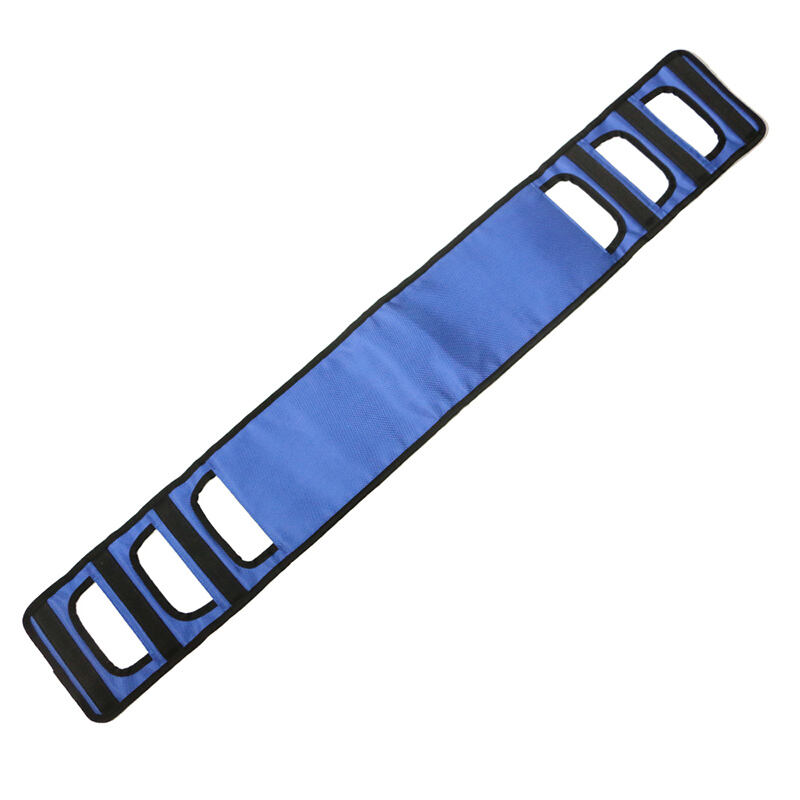
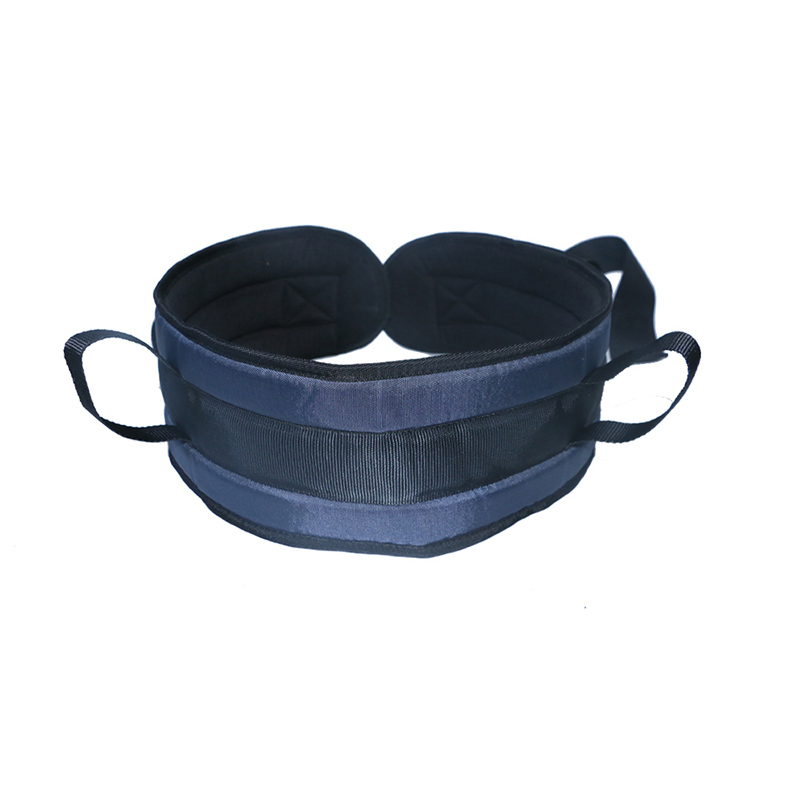
In clinical environments where infection control and rapid turnover are paramount, the wipeable gait belt represents a critical evolution in patient handling equipment. Unlike standard fabric belts that absorb moisture, bodily fluids, or cleaning agents—thereby becoming reservoirs for bacteria and requiring frequent laundering that degrades webbing integrity—a wipeable gait belt is engineered from non-porous, medical-grade materials such as thermoplastic elastomers or coated polyester webbing. This construction allows for swift, effective disinfection between uses with standard hospital-grade wipes, directly supporting infection prevention protocols in hospitals, rehabilitation centers, and long-term care facilities. The importance of this feature cannot be overstated in settings serving diverse cultural contexts; for instance, in healthcare systems across Japan and Germany where meticulous hygiene standards are both a regulatory expectation and a cultural norm, the ability to visibly and chemically sterilize equipment between patients provides essential reassurance. From a biomechanical perspective, these belts are designed to maintain high tensile strength—often supporting up to 300-400 pounds—while offering a secure, non-slip grip surface that remains effective even when wet. For caregivers, the texture is optimized to prevent palmar friction injuries during repetitive patient transfers, a key ergonomic consideration. For patients, the material is often latex-free and hypoallergenic, mitigating risks for individuals with sensitivities—a crucial factor in diverse populations. Furthermore, the wipeable surface ensures that the belt does not retain odors, which is a significant factor in preserving patient dignity and comfort in long-term care scenarios. By integrating a wipeable gait belt into standard protocols, facilities not only enhance operational efficiency—reducing laundry costs and replacement frequency—but also align with modern value-based care models that prioritize patient safety and satisfaction. This product category thus transcends a simple accessory, becoming an integral component of a hygienic, efficient, and culturally competent care environment that meets the rigorous demands of OEM/ODM partners serving global markets from North America to Europe and Asia.
12
Nov
06
Dec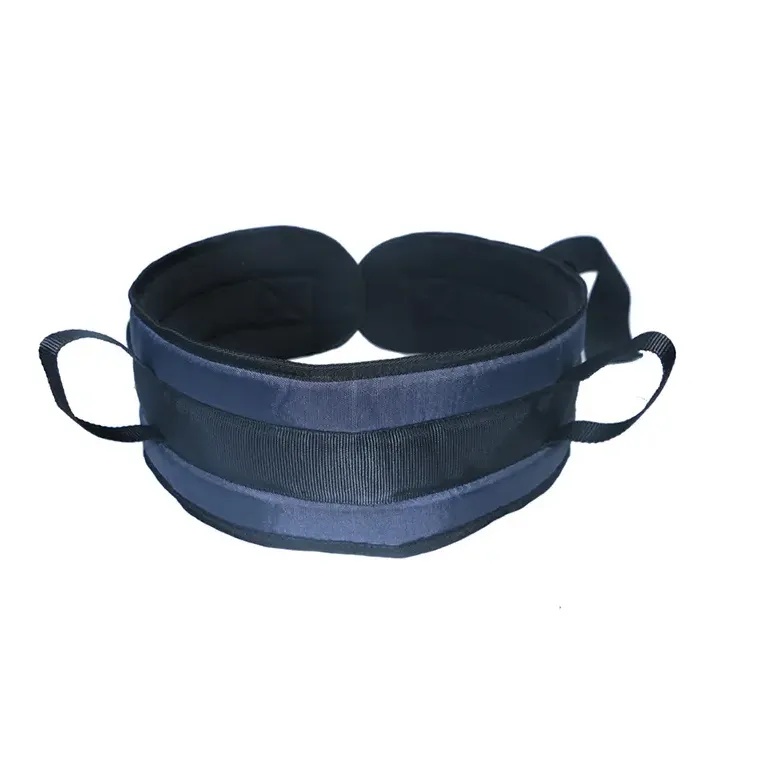
24
Dec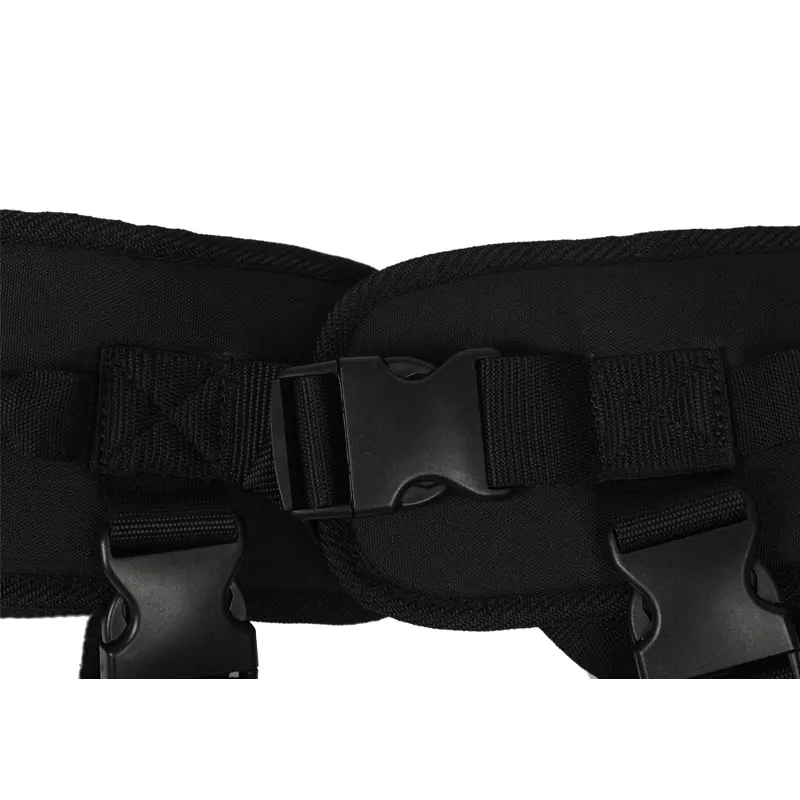
24
Dec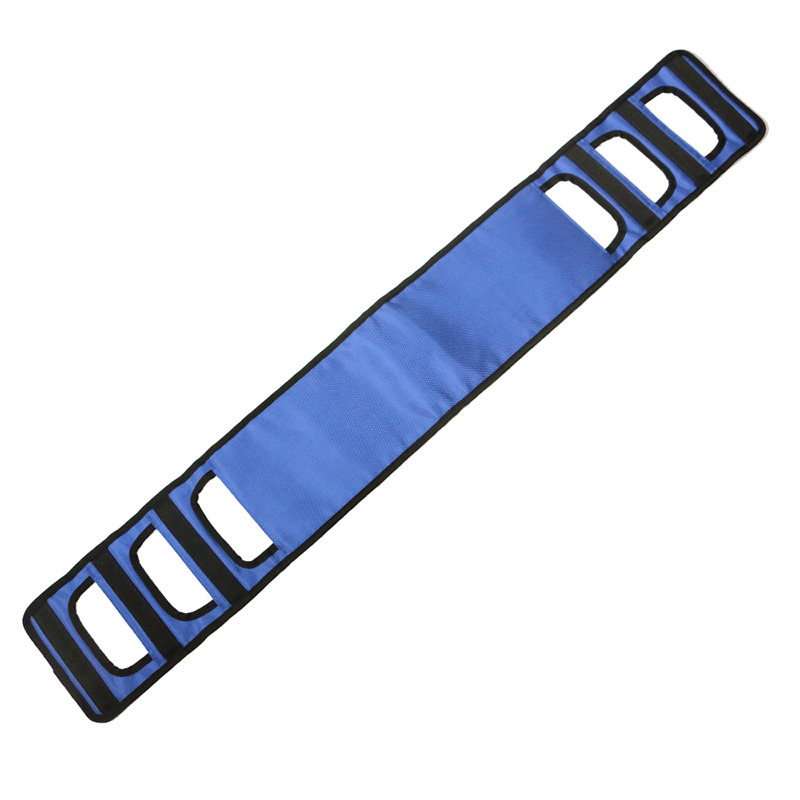
Copyright © 2024 by Dongguan Chuangguo Daily Products Co.,Ltd.