
 EN
EN


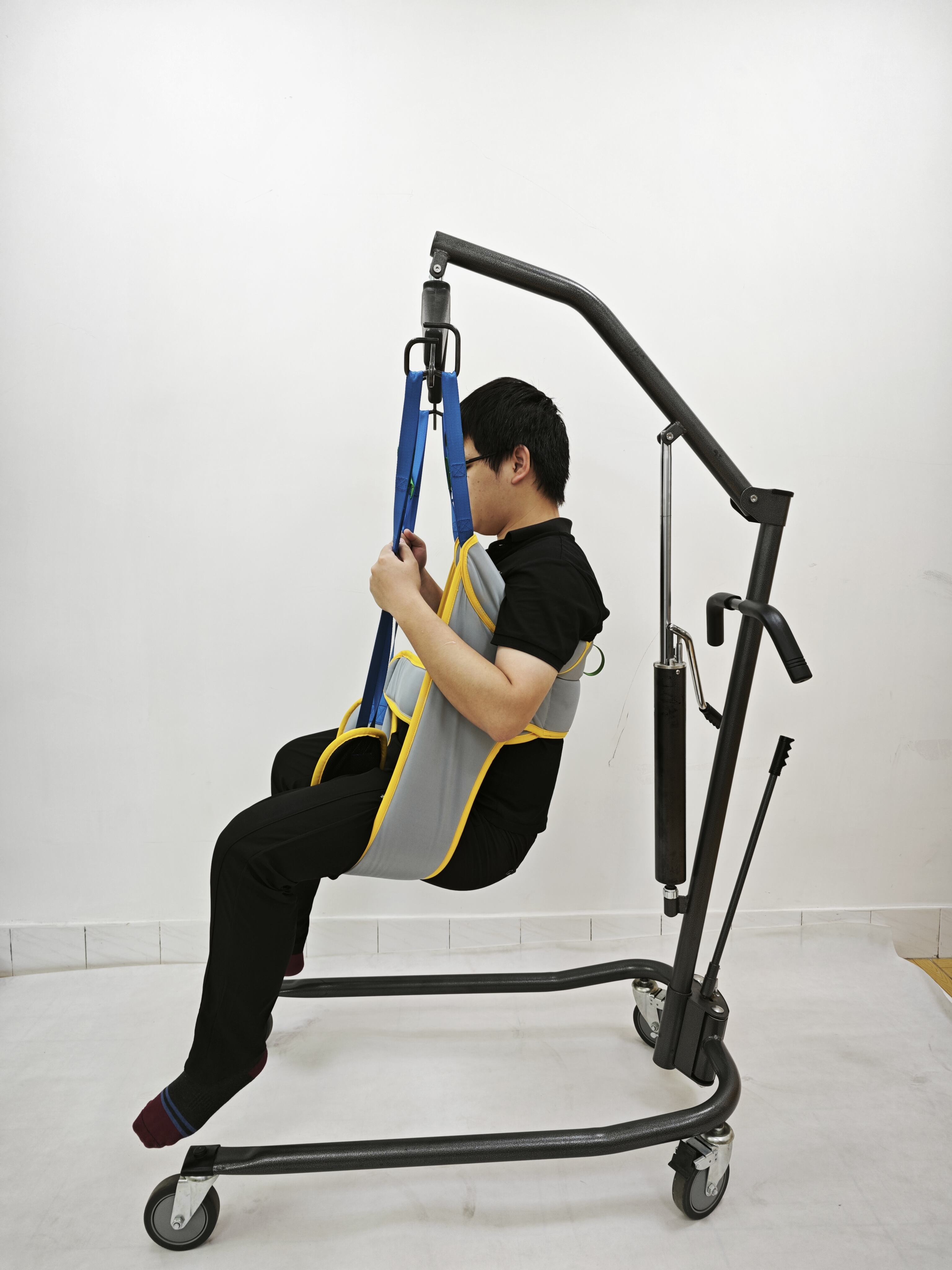
Understanding Toileting Sling Compatibility and Key Design Features
What Is a Toileting Sling and How Does It Work?
Toileting slings are those special transfer devices that help move people around safely between different spots like beds, wheelchairs, and bathroom seats. What makes them stand out is that open seat design which lets caregivers maintain proper hygiene during bathroom breaks while still supporting the person's torso and legs. These slings typically come made from breathable polyester mixes treated with stuff that fights germs. The manufacturers claim they can handle hundreds of industrial washes without falling apart, which definitely matters when thinking about infection control. And there's something else worth mentioning too those quick release buckles that make getting into and out of clothes much easier for everyone involved. This not only saves time for staff but also helps preserve what little dignity remains for many patients who find these transfers challenging.
Core Design Elements That Enable Universal Fit
Three key features make most toileting slings compatible across lift models:
- Adjustable attachment loops that stretch up to 60% to fit hook/clip systems from brands like Hoyer® and Invacare®
- Standardized weight capacities (300–500 lbs), aligning with 92% of ceiling and mobile lifts (Journal of Mobility Engineering 2023)
- Color-coded connectors that ensure correct alignment, reducing setup errors by 33% compared to non-coded designs
Facilities using universal slings report first-attempt transfer success rates exceeding 94%, according to a 2023 industry study.
Materials, Hygiene Standards, and Infection Control
The best quality slings today are made with special fabrics that actually wick away moisture, cutting down on cross contamination risk by around two thirds when moving patients compared to regular cotton slings according to a study from Infection Control Today back in 2023. Top brands have passed the ISO 10535:2021 tests which means they can handle harsh disinfectants like bleach without breaking down. Their seams hold up to over 250 Newtons of force, pretty impressive really. And what's even better? These slings dry super fast, taking less than twenty minutes between uses. That kind of drying time allows for about eight to ten patient transfers each day before needing another wash cycle. Combine these features with proper cleaning every week and hospitals see a significant drop in UTI cases too. Research published in the CDC's Safe Patient Handling Report last year showed infection rates fell by roughly 40 percent among facilities using antimicrobial slings consistently.
How Lift Model Differences Affect Toileting Sling Integration
Overview of Common Powered Lift Systems
There are all sorts of patient lift systems out there, ranging from those wheeled models with adjustable arms to the ones mounted on ceilings that need just the right sling positioning. When it comes to toileting slings, these variations really matter because they have to work with the hardware properly. For instance, lifts equipped with four point cradles simply won't work well with slings designed for six point systems. According to research published last year in the field of mobility equipment, most problems people encounter with lifts (around three quarters of them) actually come down to slings and lifts not matching up geometrically. This mismatch creates real headaches for caregivers trying to move patients safely and comfortably.
Attachment Mechanisms: Hooks, Clips, and Universal Connectors
Modern toileting slings primarily use three attachment types:
| Mechanism | Use Case | Compatibility Range |
|---|---|---|
| Hook-and-loop | Quick transfers, repositioning | 85% of mobile lifts |
| Metal clips | Bariatric patients, high-weight | 60% of ceiling lifts |
| Universal straps | Multi-brand healthcare facilities | 92% of lift models |
As noted in a patient handling systems analysis, hook-and-loop designs reduce transfer time by 40% compared to clip-based systems in clinical settings.
Manufacturer Guidelines and Compatibility Specifications
Ignoring OEM guidelines increases risks: reduced sling lifespan (28% faster wear per mismatch), higher caregiver injury rates (17% increase per OSHA 2022 data), and potential patient falls. Always verify:
- Alignment between lift and sling weight capacities
- Approved attachment point configurations
- Material compatibility with facility hygiene protocols
Case Study: Toileting Sling Use Across Leading Lift Brands
A 250-bed facility standardized on universal strap slings across five lift brands, cutting procurement costs by 34% (2024 Healthcare Logistics Report). The approach maintained ISO 10535:2020 safety compliance and reduced staff training time on diverse lift systems.
Universal-Fit vs. Brand-Specific Toileting Slings: Pros and Cons
Advantages of Universal Toileting Sling Designs
Universal-fit slings lower operational costs by eliminating the need for multiple brand-specific models. Adjustable leg straps and standardized connectors enable secure attachment to most overhead lifts and mobile hoists. Facilities using these slings achieve 25% faster transfer times (ProHeal Products 2023) while maintaining FDA hygiene compliance through removable, washable liners.
Limitations of Proprietary or Brand-Locked Systems
Brand-specific slings require dedicated lifts, leading to redundant equipment inventories. A 2022 review found such facilities spend 38% more on sling replacements than those using universal designs. Custom connectors also increase transfer risks—14% of lift-related incidents involve incompatible hardware from mixed systems.
Data Insight: 78% of Toileting Slings Work with Three or More Lift Brands
Industry testing confirms that 78% of toileting slings are compatible with three or more major lift brands. Nylon-reinforced universal models support up to 500 lbs across Hoyer®-style hooks and loop-based systems, while antimicrobial treatments help reduce cross-contamination. Facilities adopting standardized slings report 42% fewer supply chain delays (Ambrestone 2023).
Safety, Compliance, and Risk Management in Toileting Sling Use
Weight Capacity and Stability Testing for Safe Transfers
Toileting slings come with weight restrictions that need to be followed strictly. Most models certified under ISO 10535 handle around 400 pounds or 181 kilograms, which is important for keeping transfers safe. Testing these slings involves creating situations similar to what happens in actual use. This includes things like side movements of about 30 degrees and unexpected halts to check if they hold together properly. Research from 2023 showed something interesting too. When caregivers used slings that met all the standards, injuries dropped by nearly 72 percent compared to those using non-compliant products. Checking for signs of wear on the fabric and looking at connectors for any rust or damage matters a lot because almost nine out of ten sling failures happen in equipment over three years old according to FDA data from 2022. Patients who present higher risks might benefit from special systems that combine regular slings with gait belts. These setups distribute weight better and generally offer improved stability when moving someone from one place to another.
FDA and ISO Standards for Patient Transfer Equipment
Toileting slings fall under the FDA's Class I medical device category, which means manufacturers have to meet certain requirements regarding materials safety and fire risk. For those certified under ISO 10535 standards, there's quite a rigorous testing process involved. These products must withstand tension forces five times greater than what they're rated for, endure around 500 simulated usage cycles that mimic real world conditions, and show resistance against bacteria commonly found in hospitals and care facilities. According to data from the FDA released in 2022, healthcare centers that stick with standardized sling models experience roughly two thirds fewer incidents related to lifting patients compared to others. However, almost one third of these same facilities don't bother updating their equipment when new protocols come into effect. That's why most experts suggest doing annual checkups on all such devices to ensure continued adherence to regulatory standards and patient safety expectations.
Risks of Off-Label Sling Use and Legal Liability Concerns
Modifying slings for incompatible lifts increases fall risks by 41% (CDC 2021). Key hazards include:
| Risk Factor | Consequence Frequency |
|---|---|
| Non-standard connectors | 33% of detachment incidents |
| Overweight patients | 22% higher sling tear rates |
| Cognitive impairment | 57% increase in unsafe positioning |
Six states classify improper sling use as negligence in malpractice cases. Legal precedents show average settlements of $740,000 when providers disregard manufacturer compatibility guidelines. Always verify lift-sling pairs against original equipment specifications before use.
Practical Steps to Ensure Toileting Sling and Lift Compatibility
Step-by-Step Guide to Verifying Sling and Lift Match
Start by checking if the hooks, clips or loops on the lift match what's available on the sling itself. The sling should handle at least 10 percent more weight than what the patient actually weighs because people move around during transfers. According to a recent safety review in 2023, most problems happen when equipment isn't rated properly for the load. Also important is making sure the sling fits across the patient's body correctly. If it sits too high under their armpits, there's a much greater chance of skin damage - studies show this position raises shear injuries by about one third according to research published last year in the Rehabilitation Equipment Journal.
Using Manuals and Manufacturer Support for Confirmation
Always consult lift and sling manuals for compatibility matrices. If discrepancies arise, contact both manufacturers to verify interoperability. Industry reports show 92% of providers resolve fit issues within 48 hours using this method.
Real-World Example: Nursing Home Sling Standardization Success
A 120-bed facility reduced lift-to-sling mismatch errors by 78% after adopting a universal toileting sling system compliant with ISO 10535:2021 standards. Staff training on lift model-specific adjustments further cut transfer time by 22 minutes per patient daily (Long-Term Care Innovators 2023).
Key Compliance Check: Never use clips with lifts designed for loop connectors this bypasses safety certifications and voids warranties.
FAQ
What is a toileting sling?
A toileting sling is a specialized device designed to safely move individuals between locations such as beds and bathrooms. It features an open-seat design for hygiene and support during transfers.
Are toileting slings universally compatible with all lift models?
While many slings are designed for universal compatibility, they may not fit all lift models. It is essential to verify compatibility with each specific lift brand and model.
How do I ensure that my toileting sling is properly maintained?
Regularly inspect the sling for wear and tear, follow manufacturer cleaning recommendations, and avoid modifications that aren't approved by the manufacturer.
What are the risks of using a mismatched sling and lift?
Using incompatible equipment can lead to increased fall risks, damage to the sling, and legal liability concerns due to negligence.
Table of Contents
- Understanding Toileting Sling Compatibility and Key Design Features
- How Lift Model Differences Affect Toileting Sling Integration
- Universal-Fit vs. Brand-Specific Toileting Slings: Pros and Cons
- Safety, Compliance, and Risk Management in Toileting Sling Use
- Practical Steps to Ensure Toileting Sling and Lift Compatibility