
 EN
EN


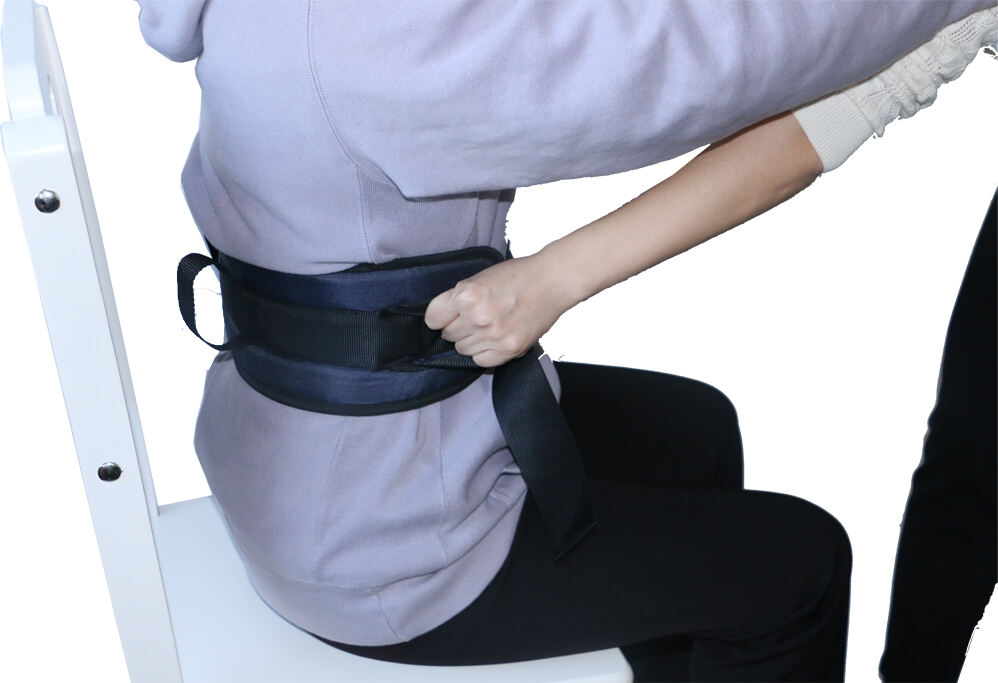
What Are Patient Gait Belts and How Do They Work?
Definition and Purpose in Mobility Assistance
Patient gait belts are specially designed safety devices used to assist individuals with mobility issues. These belts serve as a critical tool for caregivers, allowing them to have a secure grip on the patient during movements such as walking or transferring from one position to another. The main purpose of these belts in mobility assistance is not to lift but to support and guide the patient, thereby reducing the risk of falls—an assertion supported by multiple studies. Utilizing gait belts can significantly decrease the likelihood of falls and related injuries during the process of assisting patients with their mobility needs.
Key Design Features: Materials and Buckle Types
Gait belts are primarily crafted from materials such as durable cotton or nylon, ensuring both strength and comfort for the user. The choice of material is crucial as it affects the belt's durability and ease of cleaning. When it comes to securing the belt, there are different types of buckles available, including plastic and metal. Each buckle type comes with its unique advantages; metal buckles offer robust security, while plastic buckles may provide ease of use and compatibility with medical imaging devices. High-quality materials and reliable buckle mechanisms are essential in ensuring the safety and effectiveness of gait belts during patient handling.
How Gait Belts Differ from Lift Slings and Transfer Devices
It is important to understand the distinction between gait belts, lift slings, and transfer devices, as each serves a different purpose. Unlike lift slings, which are designed to lift patients off the ground, gait belts provide stabilization during walking. They are particularly used for patients who need constant physical guidance rather than full bodily support. While transfer devices are generally employed for moving patients short distances, gait belts are meant to enhance mobility and assist with walking exercises. This knowledge is crucial for caregivers to ensure the appropriate tool is selected based on the specific needs of the patient, ultimately facilitating better care and improving patient outcomes.
Core Benefits of Gait Belts for Patient Mobility
Fall Prevention and Stability During Transfers
Gait belts play a crucial role in mitigating the risk of falls during patient transfers. By providing caregivers with improved control over a patient's movements, these belts significantly enhance transfer stability. Statistics from healthcare studies reveal that the implementation of patient gait belts results in fewer transfer-related falls, underlining their effectiveness in fall prevention. With their ability to stabilize a patient's posture, gait belts not only offer physical security but also boost the confidence of both patients and caregivers, facilitating a smoother and safer movement process.
Reducing Caregiver Injury Risks
The physical requirements of moving patients can be quite demanding on caregivers, often leading to injuries, particularly to the back and shoulders. By employing gait belts, caregivers can utilize better body mechanics, substantially minimizing the risk of injury. Surveys of healthcare professionals consistently highlight that using mobility aids like gait belts correlates with a significant reduction in reported caregiver injuries. This evidence underscores the importance of proper training and use of gait belts in healthcare settings to maintain a safe working environment.
Promoting Patient Independence in Rehabilitation
Gait belts are instrumental in fostering patient independence during rehabilitation. They empower patients by offering a sense of security, encouraging them to actively participate in their rehabilitation without complete reliance on their caregivers. This autonomy enhances their confidence and facilitates a more effective rehabilitation process. Consequently, increased patient confidence through secure, supported movement often leads to improved rehabilitation outcomes and more expedient recovery times, emphasizing the value of gait belts in patient-centered care strategies.
Safe Usage Guidelines and Best Practices
Step-by-Step Application Technique
Applying a gait belt correctly is crucial for safety and efficacy. Begin by placing the belt snugly but comfortably around the patient's waist, ensuring not to pinch or constrict them. It's essential to secure the belt's buckle carefully and confirm it doesn’t cause discomfort or restrict movement. Practice precise body mechanics—bend at the knees, maintain a straight back, and rely on the belt to guide rather than lift the patient. This technique reduces strain on both the caregiver and the patient and ensures a supportive and secure transfer.
Contraindications: When to Avoid Gait Belts
However, gait belts aren't suitable for everyone, and knowing when to avoid their use is important. Patients with severe skin conditions or abdominal injuries may not tolerate the belt's pressure. Additionally, signs such as extreme weakness or instability may indicate an inability to use the gait belt safely. In these cases, consulting healthcare professionals is vital before deciding to use gait belts; they can provide personalized advice based on the individual's medical history and current condition.
Common Mistakes and Injury Prevention Tips
Avoiding common mistakes can make gait belt use safer for everyone involved. One significant error is using worn or damaged belts, which can malfunction during use. It’s also imperative not to exert excessive force when pulling on the gait belt, as this can lead to injuries for both the patient and the caregiver. Regular training and education play a crucial role in preventing these errors, ensuring the safe and effective employment of gait belts in patient care. Continuous learning about best practices is essential to optimize both safety and confidence in handling these mobility aids.
Comparing Gait Belts with Complementary Mobility Aids
Gait Belts vs. Transfer Slings
Gait belts and transfer slings serve distinct functions in patient mobility. Transfer slings are primarily designed for lifting patients, offering full body support, which makes them ideal for individuals who need complete assistance during transfers. On the other hand, gait belts are more about stabilization and guidance, helping steady patients who can partially support themselves. This distinction in usage highlights the importance of selecting the appropriate aid based on the patient’s condition. For instance, a patient able to stand briefly may benefit more from a gait belt, whereas someone completely non-ambulatory might require a transfer sling. Proper evaluation by healthcare professionals can direct the optimal use of these mobility aids.
Integration with Heel Pads for Pressure Management
Using gait belts in conjunction with heel pads can significantly enhance patient comfort during transfers. Heel pads provide crucial cushioning, reducing the risk of pressure ulcers, particularly for patients who are bedridden or have limited mobility. These pads offer protection to vulnerable heel areas, which can develop sores under prolonged pressure. Studies have shown that using gait belts alongside heel pads not only improves patient comfort but also contributes to better clinical outcomes. This combination ensures that while the patient is being mobilized safely with the help of a gait belt, their risk of developing pressure-related injuries is minimized, enhancing overall care quality.
When to Choose Lift Systems Instead
Lift systems are essential for patients who cannot bear weight or are too frail for assisted mobility with a gait belt. These systems provide complete support and are vital in ensuring the safety of both patients and caregivers. Understanding individual patient needs is critical; in cases where manual handling risks outweigh benefits, lift systems should be prioritized. Proper training of caregivers helps in recognizing these needs accurately, ensuring that the chosen method promotes maximal safety and efficacy. By tailoring the mobility aid to the patient’s specific requirements, caregivers can improve mobility outcomes and prevent injuries.