
 EN
EN


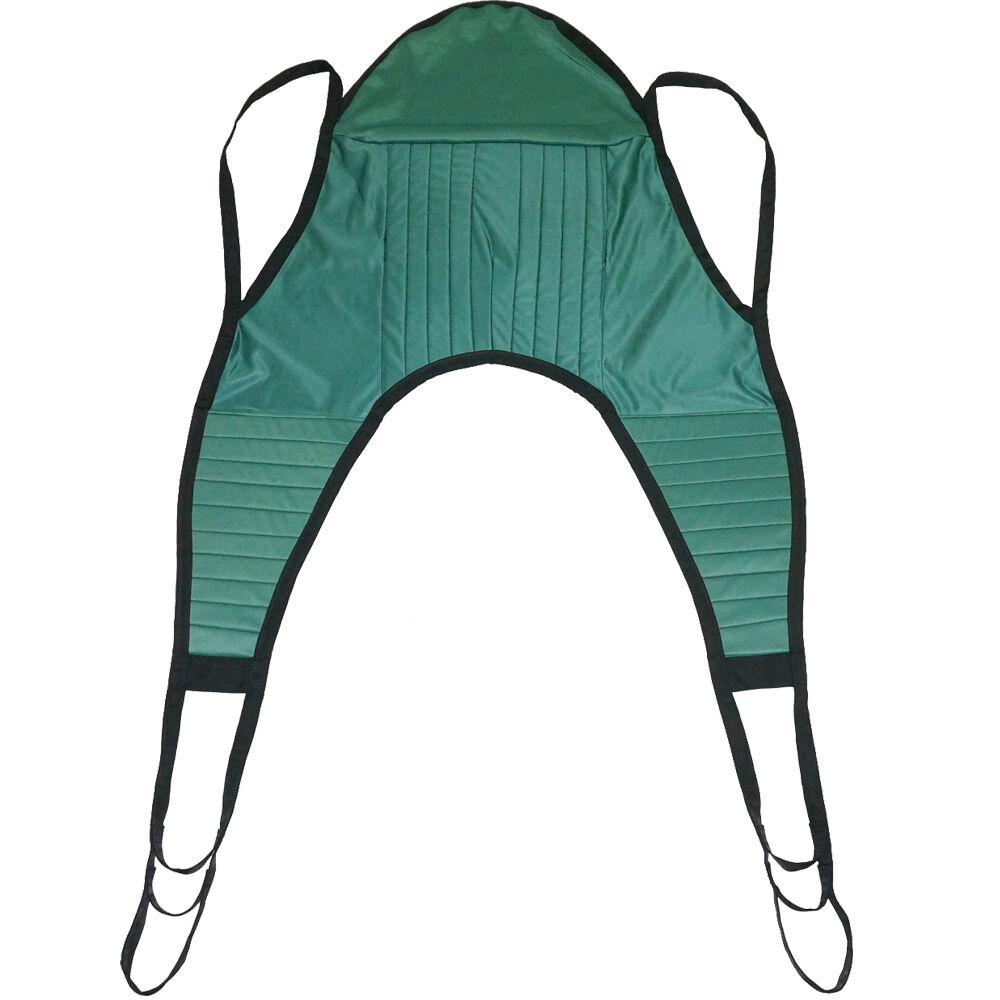
Core Safety Requirements for a Reliable Transfer Sling
Weight Capacity Verification and Regulatory Compliance (EN 1005-2, ISO 10535)
Studies from rehab safety audits show that going over weight limits leads to about 23% of all transfer sling failures. Before moving any patient, it's essential to check their actual weight on proper certified scales and compare this against what the equipment can handle safely. When manufacturers follow standards like EN 1005-2 and ISO 10535, they're required to put slings through tough tests. These include checking how well they perform under loads that are actually 150% higher than what's listed on them, plus keeping records of these stress tests throughout production runs. For heavier patients, healthcare workers should look specifically for slings marked with clear weight ratings and those bearing independent certification marks from trusted organizations. This helps avoid situations where the sling might fail structurally during critical transfers.
Proper Fit to Prevent Slippage, Skin Shear, and Unplanned Detachment
A 2023 clinical study found that about two thirds of skin shear injuries happen because slings don't fit right during those sideways transfers. When fitting a sling, check both thigh size and how wide the torso is. There shouldn't be much space between body and fabric either way - ideally no more than what fits between two fingers. For preventing these issues, there are several things worth remembering. First off, make sure those leg straps sit nicely below where the buttocks fold naturally to keep pressure off the sciatic nerve area. Shoulder supports need to line up with the spine so weight gets spread out evenly across the back. And for folks who've had surgery recently, look for slings with special contours around incision areas. These small adjustments can make all the difference in comfort and safety.
Attachment Security: Loop vs. Clip/Key Systems and Hanger Bar Compatibility
Studies show loop systems cut down on accidental releases during emergency situations by almost half when compared to traditional clip mechanisms. The downside? They take a bit more time to set up manually, though they handle vibrations much better. Clip and key systems definitely win in speed for transitions between positions, but come with the hassle of needing regular monthly checks to ensure those latches are still working properly. Before anything else, make sure the hanger bars will actually fit together. Grab a tape measure and check how wide the spreader bar is versus where the slings connect. Standard hooks generally need about 28 millimeters of space around them, whereas those quick release versions actually require closer to 40 mm clearance. And don't forget this important step: always test every connection point at roughly a 30 degree angle. Why? Because that's what happens in actual transfers most of the time. Better safe than sorry when patients' safety is on the line.
Material and Construction Factors That Define Transfer Sling Durability
Polyester, Mesh, and Synthetic Leather: Performance Trade-offs for Clinical Longevity
Choosing materials involves finding the sweet spot between lasting power, wearer comfort, and keeping infections at bay. Polyester mixes hold up really well against wear and tear, standing up to around 500 commercial laundry runs before showing signs of wear. Mesh fabrics let air circulate better which helps prevent those annoying skin irritations from friction. Leather synthetics make cleaning surfaces much easier since they can be wiped down quickly, though this comes at a cost of reduced give in the material, sometimes leading to uncomfortable pressure spots when moving patients around. According to research published last year in Infection Control Today, healthcare centers that switched to polyester saw their contamination problems drop by roughly two thirds compared to places still using cotton options. For areas where equipment gets used constantly, go with polyester. If dealing with delicate skin conditions is part of daily work, mesh makes sense. And when speed matters most, like in fast-paced clinical environments, synthetic leather remains the practical choice despite its limitations.
Impact of Cleaning Protocols on Service Life
How thoroughly slings are cleaned makes a real difference in how long they last. Washing at high temps around 71 degrees Celsius will kill germs but actually wears out the fabric faster when it can't handle heat well. Using harsh soaps or spinning them too hard in the machine can cut down on their useful life by almost half. On the flip side, sticking to gentle washes with lower pH levels helps keep everything intact. Hospitals and similar places that have set procedures in place tend to get their slings working for about 30 percent longer. These protocols usually involve checking each sling before washing for signs like frayed edges or thin spots. Staff need proper training though, because following what the manufacturers recommend isn't just good practice, it's essential for safety reasons.
Clinical Application: Matching the Transfer Sling to Patient Needs and Task Demands
Mobility Level and Body Habitus Assessment for Optimal Support Type (e.g., Full-Body, Toileting, or Upright Transfer Sling)
Picking out the correct transfer sling starts with looking at how mobile someone is and their overall body shape. Clinicians need to check things like whether they can bear weight on their legs, how steady they stand, and if they have good control over their torso. Tools such as the Mobility Assessment Tool come in handy here. For folks who can't put any weight on their bodies at all, full body slings offer the best support possible. People with some movement might find upright slings work better since they help them get into standing positions when needed. Special toileting slings made with waterproof fabric and built-in openings for easier cleaning become really important during bathroom visits. The actual shape of a person's body matters too. Studies show that when slings don't fit properly, there's about a 27% chance of slipping issues according to Clinical Biomechanics research from last year. Getting the right match between what kind of sling someone needs and their specific situation makes all the difference. Bedridden individuals will need different equipment compared to those working on walking again after injury or surgery.
Specialized Sizing Guidance: Bariatric, Pediatric, and Post-Surgical Considerations Beyond Weight Charts
Standard weight charts just don't cut it when dealing with complicated body structures. Take bariatric care for instance. Measuring those hip to thigh dimensions helps avoid squishing tissues together. Custom made widths actually bring down pressure sores by about forty percent according to recent studies in wound management from last year. Kids need special attention too since their bodies are still growing. Adjustable straps on pediatric slings make all the difference during those sudden growth phases and work better with smaller limbs. After surgery? The sling design matters a lot. We need to steer clear of any incision areas. Split leg options really help take pressure off the belly following hip replacement procedures. There are several key points worth mentioning here. Stronger stitching is essential for distributing weight properly among heavier individuals. Padded support around shoulders becomes important for children whose bones are still developing. And let's not forget breathable materials placed close to healing wounds. All these factors contribute to spreading out the weight evenly across the body while keeping skin intact without breaking down.
FAQ
Why is weight capacity verification important for transfer slings?
Weight capacity verification is crucial to ensure that the sling can safely handle the patient's weight, thus preventing structural failures during transfers.
What material should be chosen for transfer slings?
The choice of material depends on specific needs. Polyester is durable and less prone to contamination, mesh is good for delicate skin, and synthetic leather is easy to clean and suitable for fast-paced environments.
How does sling fitting affect patient safety?
Proper fitting prevents slippage, skin shear injuries, and unplanned detachment, ensuring comfort and safety during transfers.
Why are specialized sizing considerations important?
Specialized sizing considerations such as bariatric, pediatric, and post-surgical ensure optimal support and reduce the risk of tissue injury or pressure sores.