
 EN
EN


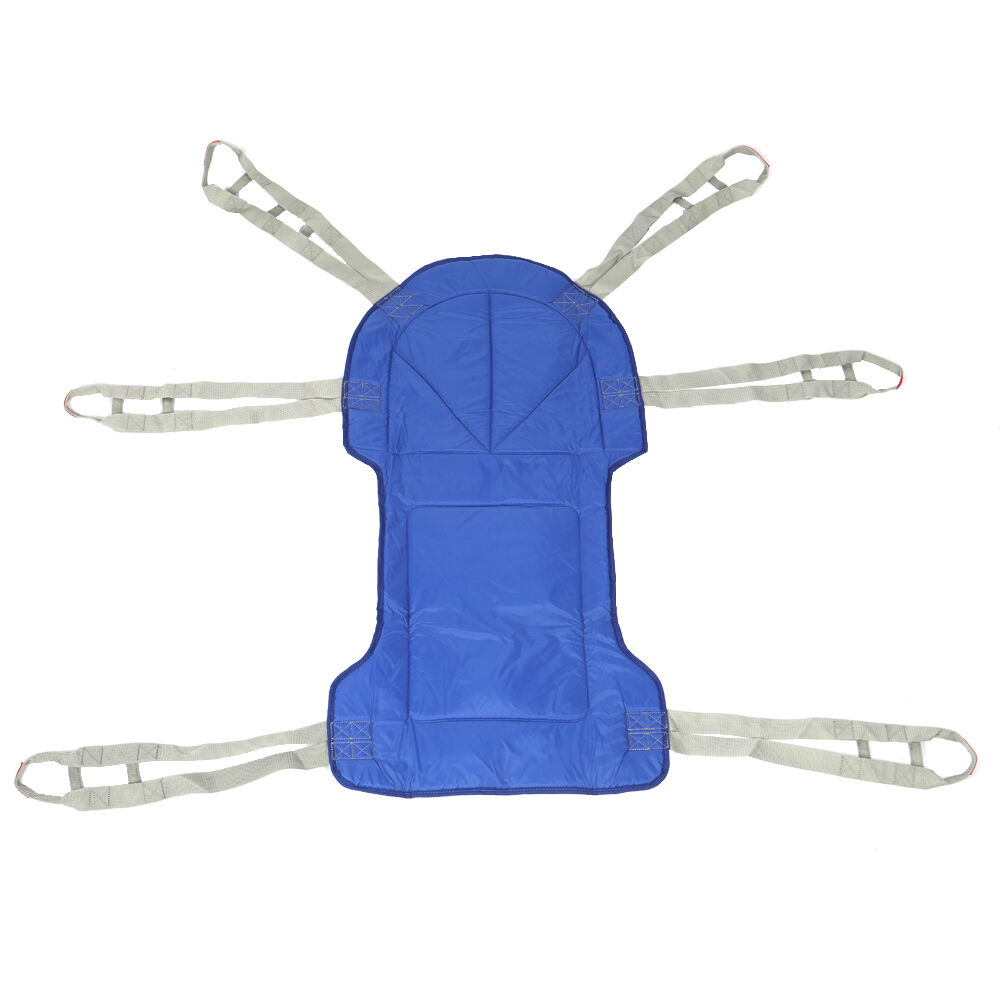
Material Science Behind Patient Lift Slings: Breathability, Pressure Distribution, and Skin Protection
Microfiber, Nylon, and Mesh: Thermal Regulation and Moisture Wicking for Extended Wear Comfort
The latest patient lift slings incorporate smart fabrics designed to protect against skin issues when used for extended periods. The microfiber material works really well because its super fine threads create a kind of wicking effect that pulls sweat away from the body, which cuts down on skin irritation caused by dampness by around 70% over regular cotton mixtures. Nylon is another key component since it holds up under stress but still lets air circulate, something particularly important for individuals who struggle with regulating their body temperature. Special mesh designs help moisture escape quickly during activities where wetness builds up, such as moving someone after a bath, thus reducing chances of infections thanks to better airflow. Research shows these breathable materials actually lower body temperature by about 3 to 5 degrees Celsius during transfers lasting half an hour or so, making a real difference in both comfort levels and how consistently people can use them.
Padded Linings vs. Open-Mesh Designs: Clinical Evidence on Pressure Reduction and Shear Risk
Pressure distribution differs significantly between padded and open-mesh sling designs:
| Feature | Padded Linings | Open-Mesh Designs |
|---|---|---|
| Pressure Relief | 30–40% reduction on bony prominences | 15–20% reduction (even distribution) |
| Moisture Control | Moderate wicking | High evaporation rate |
| Shear Risk | Low friction with skin | Minimal surface contact |
When it comes to protecting immobile patients from developing sores, padded slings definitely have their advantages. Studies over the course of a full year showed around a 22 percent drop in pressure ulcers when these were used regularly. On the flip side, those open mesh slings actually help cut down on shear forces during patient turns by roughly 18%, mainly because they don't stick to skin as much. Bigger patients tend to benefit most from what's becoming popular now - these hybrid models that combine extra cushioning where needed with areas that let air circulate properly. Healthcare facilities are starting to switch to them more often since they manage both pressure points and body temperature issues at once without compromising comfort levels.
Precision Fit for Patient Lift Slings: Sizing, Anthropometrics, and Task-Specific Adjustments
Avoiding Anthropometric Mismatch: How Torso Width, Leg Length, and BMI Influence Discomfort and Skin Integrity
Getting accurate body measurements matters a lot when it comes to sling fittings. When slings don't fit right, they create uneven pressure points on the body, which can actually tear skin or cause deeper tissue damage over time. If someone's torso isn't measured properly, the sling tends to slip sideways during movement, creating extra force against the skin that research shows can jump up around 40% during transfers. For people whose legs differ in length, this creates an imbalance where one side bears more weight than the other, leading to higher pressure spots faster than normal. Patients who carry more weight generally need broader sling panels because standard sizes tend to push all the weight into smaller areas, making skin problems about three times more likely according to studies. Taking proper measurements like how wide the hips are when sitting down and measuring from the shoulders to mid thigh helps ensure better fits and keeps skin healthy in the long run.
Functional Adaptations: Commode Access, Head Support, and Semi-Reclined Positioning in Real-World Transfers
Task-specific sling features enhance safety, efficiency, and dignity:
- Commode-ready designs, with split-leg seams and quick-release straps, cut transfer time by 65% versus standard slings.
- Head support panels maintain cervical alignment for patients with limited trunk control, reducing fall incidents during seated transfers.
- Semi-reclined positioning slings distribute weight across the back and thighs, keeping peak sacral pressure below 32 mmHg—the capillary occlusion threshold. These adaptations support safer bathing, toileting, and therapeutic repositioning without compromising physiological stability.
Holistic Patient-Centered Selection of Patient Lift Slings: Integrating Clinical, Psychological, and Preference Factors
Beyond Measurements: Assessing Pain, Anxiety, Skin Condition, and Prior Experience to Guide Sling Choice
Choosing the right sling involves looking at both numbers and what patients actually feel. When evaluating pain levels, healthcare providers need to use proper tools such as the Wong-Baker FACES scale. If someone's hurting too much, their muscles might tense up or spasm, which makes moving them around dangerous. Anxiety matters just as much though. Research from last year showed that about two thirds of people get really stressed during transfers, which explains why so many prefer those full body slings for feeling safer. What kind of skin condition a person has also affects material choices. Open mesh slings let air circulate better, cutting down on sweat buildup by almost half compared to padded ones, according to some recent wound care studies. We've seen cases where past bad experiences with certain slings make all the difference in whether someone will cooperate or not. Taking these factors together helps ensure safe transfers while respecting each individual's needs and comfort level.
Environmental and Operational Factors Impacting Patient Lift Slings Comfort
Many factors in the environment and how things are done impact how well slings work. When temperatures climb past 24 degrees Celsius, people tend to sweat more if they're wearing clothes that don't breathe well. At the same time, when humidity gets over 60%, those fancy moisture-wicking materials start to fail pretty badly. Research on ergonomics shows something interesting too: when there's not enough space for proper transfers or when someone has to move awkwardly around obstacles, pressure gets distributed unevenly across the body by about 40%. That matters a lot. Frequent transfers without taking breaks can really pile up the risk of pressure injuries over time. And lifting someone too fast creates these bad shear forces that damage skin, particularly dangerous for folks with fragile or already damaged skin. Worn out equipment that jerks instead of moving smoothly causes sudden pressure spikes that nobody wants. For better comfort and safer operations, keeping rooms around 20 to 22 degrees Celsius makes sense. Also important is making sure there's full 360 degree access to lift systems without anything blocking the way. Transfers should happen regularly every two hours or so whenever medical staff think it's needed based on patient condition.
FAQ
- Why is microfiber used in patient lift slings? Microfiber is used because its fine threads wick moisture away from the skin, helping to reduce irritation.
- How can a sling influence pressure ulcer risk? Padded slings reduce pressure on bony prominences, which can lower the risk of ulcer development.
- What factors should be considered for proper sling fitting? Accurate measurements of torso width, leg length, and BMI are crucial to prevent discomfort and skin integrity issues.
Table of Contents
- Material Science Behind Patient Lift Slings: Breathability, Pressure Distribution, and Skin Protection
- Precision Fit for Patient Lift Slings: Sizing, Anthropometrics, and Task-Specific Adjustments
- Holistic Patient-Centered Selection of Patient Lift Slings: Integrating Clinical, Psychological, and Preference Factors
- Environmental and Operational Factors Impacting Patient Lift Slings Comfort