
 EN
EN


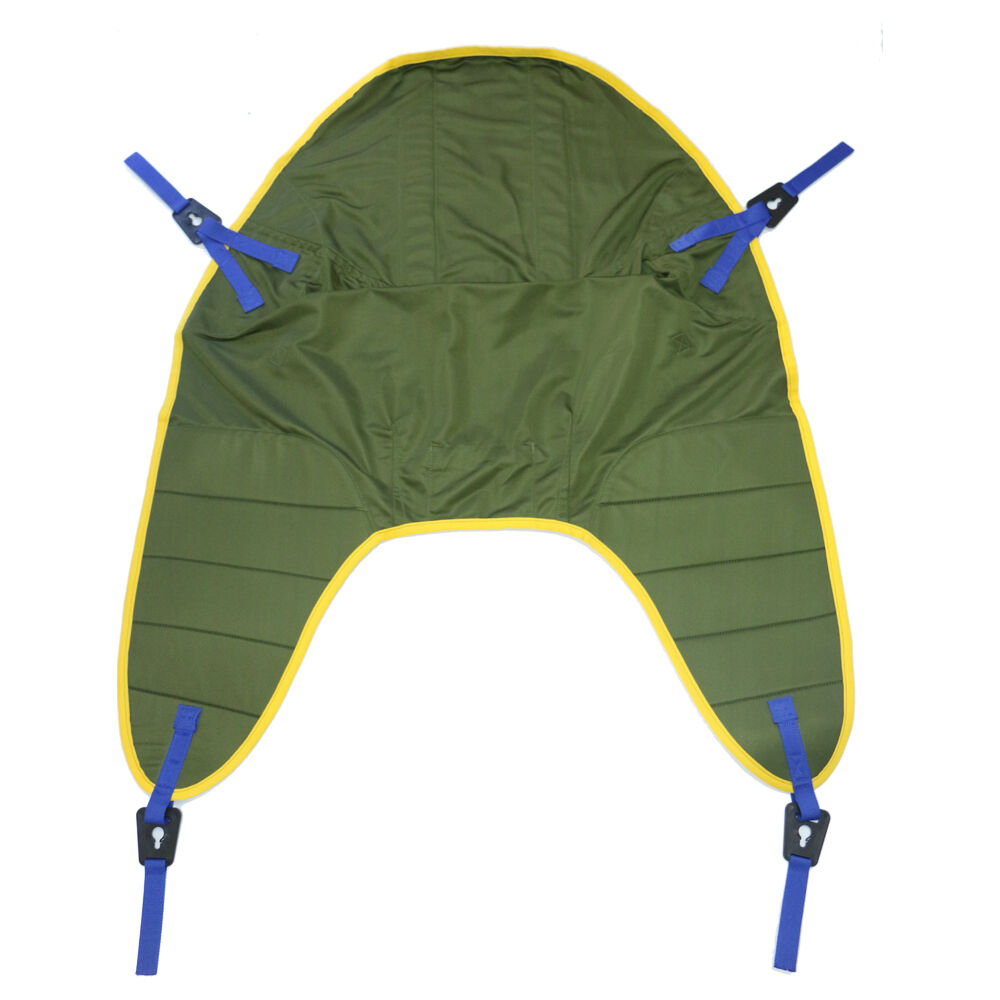
Bed-to-Chair and Seated Transfers Using Transfer Slings
Seated transfer slings for safe wheelchair-to-bed, commode, or recliner movement
Seated transfer slings make moving between different seating positions much safer, especially when transferring from wheelchairs to beds or commodes. The special design includes contours and separate leg supports that help keep patients stable when shifting sideways. When helping someone move, caregivers usually place the sling under their thighs and lower back area first, then hook it onto a mechanical lift system. This setup lets them raise the person vertically and move them horizontally without tilting their body too much. Some models have open fronts which makes putting them on easier for people who struggle to put weight on their legs. Choosing the right sling depends on several things including how the weight is distributed across the body, condition of the skin, and whether there needs to be enough space around for bathroom functions.
Evidence-based benefits: 72% reduction in caregiver lumbar strain with proper transfer sling use (JOSPT, 2022)
Using seated transfer slings takes a lot of the physical burden off caregivers who otherwise have to do all that heavy lifting manually. According to some studies published in a medical journal called Journal of Orthopaedic & Sports Physical Therapy, facilities that switched to these slings saw around 72 percent fewer back injuries among staff members. The main reason? These devices basically cut out those risky twisting motions and the need for caregivers to exert so much force when moving patients around. Getting good results requires proper technique though. The sling needs to be positioned right over where the person's weight naturally balances, and everything has to happen slowly without jerking movements. Healthcare centers that stick with regular sling use tend to report about 40% drop in work-related muscle complaints each year. This makes sense because nobody wants their employees getting hurt on the job, especially in nursing homes and hospitals where staff turnover can get really expensive.
Toileting and Bathing Support with Specialized Transfer Slings
Open-front toileting slings with commode cutouts and infection-control materials
Toileting slings with open fronts make cleaning much easier thanks to those clever cutouts that give caregivers full access when helping someone to the bathroom. Many models now come with fabric treated to fight bacteria growth, which helps keep infections from spreading around healthcare facilities. The reinforced areas at the front keep the person stable in their seat while still letting staff adjust clothes quickly without causing discomfort. According to nursing reports, facilities have seen about a third fewer accidents during transfers for heavier patients who use these special slings. The secret seems to be those hip supports that give better control over positioning, all while maintaining a level of privacy that's important for residents' self respect during what can be very personal moments.
Water-resistant bathing slings featuring integrated head support and non-slip grip
Bathing slings that resist water really boost safety when things get wet around the bathroom. They're made with materials that dry much quicker too about half the time it takes regular nylon to shake off moisture. The bottom has those non-slip grips so folks don't slide around when moving between shower chairs. There's also built-in head support for people who struggle with controlling their necks. The shape of these slings allows caregivers to pivot patients smoothly without putting so much strain on themselves during bath time. For anyone dealing with partial weight bearing issues, these specially designed transfer tools offer both lasting water protection and comfortable ergonomics, making the whole process safer for everyone involved.
Repositioning, Turning, and Positional Support via Transfer Slings
Transfer slings are really helpful for moving patients around safely, which helps prevent those pesky pressure ulcers and allows for better therapeutic positioning without having to lift them manually. Most caregivers opt for either U-shaped slings or full body ones when working with overhead lifts. These tools let them slide patients across the bed surface, flip them onto their sides, and even keep them upright when sitting. Some recent studies from 2023 on wound care show something pretty interesting too. When used correctly, these slings cut down skin shear forces during turning operations by about 58 percent compared to old fashioned manual techniques. That means fewer injuries related to repositioning for people who can't move much themselves, plus it takes some stress off caregivers' backs when they have to make those constant adjustments throughout the day.
Ambulation, Standing, and Post-Surgical Mobility Applications of Transfer Slings
Sit-stand and ambulation slings for powered lift-assisted standing and gait training
Sit stand slings designed for medical use work alongside power lifts to help move patients between sitting and standing positions safely. They give essential support when transferring someone vertically. The way these slings spread the body weight over the hips and thighs keeps things aligned properly, which cuts down on falls during rehab sessions. Some studies in the Rehab Sciences Journal back this up, showing about a two thirds reduction in fall incidents since 2023. For ambulation purposes, there are special slings with adjustable back supports. Therapists can then assist with walking exercises as the lifting mechanism takes care of part of the person's weight. This setup lets patients get back into walking routines without feeling rushed or unsafe, something many find reassuring after an injury or surgery.
Post-surgical transfer sling selection: aligning weight-bearing status and anatomical stability
Choosing the right transfer sling after surgery means finding one that fits both how much weight the patient can bear (non-weight bearing, partial weight bearing, or full weight bearing) and what their specific surgical needs are. Hip replacement patients often need abduction slings to keep their legs properly positioned so they don't dislocate when moving around. Those recovering from chest operations typically do better with slings that have extra support under the armpits to take pressure off their shoulders. Medical guidelines suggest using slings with special padding for people who had blood vessel surgeries. A study back in 2023 found wounds healed about 40 percent quicker with these padded slings than regular ones. Getting this right matters because it stops new injuries from happening and makes sure patients stay comfortable despite whatever movement limitations they might still have during their recovery period.
FAQ
What are seated transfer slings?
Seated transfer slings are specially designed tools that help caregivers move patients from one seat to another, such as from wheelchairs to beds, in a safer and more stable way.
How do open-front toileting slings improve bathroom safety?
Open-front toileting slings provide easier access for caregivers and are made with fabrics that reduce bacterial growth, helping prevent the spread of infections.
Why are water-resistant bathing slings used?
Water-resistant bathing slings increase safety by preventing slips and supporting the head and neck during transfers, which reduces strain on caregivers.
How do transfer slings reduce caregiver injuries?
Transfer slings reduce caregiver injuries by minimizing risky twisting motions and the force required for transferring patients, lowering the incidence of back injuries and muscle complaints.