
 EN
EN


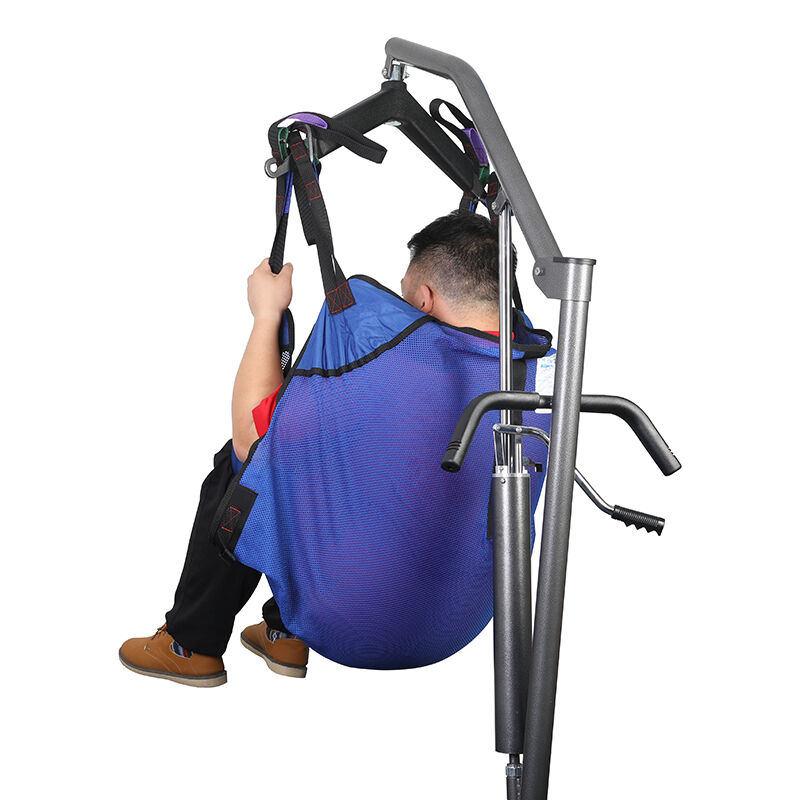
Enhanced Safety for Patients and Caregivers
Mechanical safety features preventing slips, bruising, and positional injury
Better quality patient lift slings come with built-in safety features designed to cut down on transfer risks. The non-slip shoulder areas and shaped leg sections help hold people securely in place so they don't slide around during lifting operations. Some studies show that these padded slings can reduce bruising by about one third when compared to cheaper alternatives according to research published last year. The seams are placed where they won't press against nerves, and the stitching is strong enough to handle over 500 pounds without moving out of position. All these design elements together mean patients stay correctly positioned throughout transfers, which means caregivers don't have to make quick corrections mid-lift that could lead to accidents.
Data-backed reduction in transfer-related adverse events (CDC & OSHA statistics)
There's solid proof that certified patient lift slings actually make things safer in real world settings. According to CDC numbers from last year, hospitals that implemented mechanical lifting systems saw about half as many patient falls during transfer processes compared to those without such programs. Meanwhile OSHA has tracked something similar too - their data indicates around 60% fewer back injuries among caregivers when they work with slings that pass the ANSI/AAMI standards. What makes these results happen? Simple really. When staff stop trying to lift patients manually, they eliminate a major risk factor altogether. Plus these specialized slings distribute weight much better than human hands ever could, turning what used to be dangerous moments into routine operations where everyone involved knows exactly what to expect next.
Reduced Caregiver Musculoskeletal Injury Through Ergonomic Design
Biomechanical benefits: Load distribution and spine-sparing geometry in patient lift slings
Slings designed with ergonomics in mind spread out body weight over larger areas of contact, which helps avoid those painful pressure spots and keeps the spine in its natural position. These specially shaped slings cut down on dangerous twisting when moving patients around, and they really take a lot of the strain off the vertebrae too. When slings fit right, they distribute weight properly between the hips and upper body area, so there's less grinding on the lower back discs and surrounding muscles. Caregivers report feeling much less tired after doing multiple transfers throughout their shifts. What used to be a risky lifting task has now become something that can be done safely without putting undue stress on the body.
OSHA data showing 38% lower low-back pain incidence with certified sling protocols
According to OSHA statistics from 2023, healthcare facilities that put certified sling protocols into place have seen a pretty impressive drop in back pain incidents among caregivers - around 38% less compared to those without such systems. What makes these protocols work? They require thorough training not just on picking the right slings but also understanding body mechanics and making sure each sling fits properly based on individual patient needs. Nursing homes and similar institutions that stick with these guidelines tend to report lower workers comp claims too, plus they experience about 22% fewer days lost due to absence every year. Looking at all this data, it becomes clear that when staff consistently follow certified sling usage rules, both the caregivers stay healthier over time and the facility itself remains financially viable in the long run.
Improved Patient Dignity, Comfort, and Psychological Safety
Modesty-focused design elements: Full coverage, seamless transitions, and adjustable fit
High-quality slings prioritize dignity through discreet, patient-centered design. Full-coverage fabrics prevent unnecessary exposure, while seamless transitions eliminate pressure points that could cause discomfort or skin irritation. Adjustable fit ensures secure, personalized positioning across diverse body types—supporting both physical comfort and emotional reassurance during transfers.
Clinical impact: Lower agitation and resistance in dementia patients using contour-fit patient lift slings
People who need extra support benefit quite a bit psychologically from contour fit slings. We've seen dementia patients resist moving around much less when they're lifted with those specially shaped slings that spread weight evenly across their body and feel good against the skin. The drop in resistance happens because these slings cut down on physical discomfort and make folks feel less threatened during transfers. Caregivers report things get a lot smoother overall. For facilities working with cognitively impaired residents, this makes life easier in practice too. Fewer upsetting incidents happen when patients are comfortable, and staff can actually engage with them as individuals rather than just trying to manage difficult situations.
Infection Control and Skin Integrity Protection
High-quality patient lift slings provide critical infection control while safeguarding fragile skin—addressing two major healthcare risks: pathogen transmission and pressure injuries.
Antimicrobial, breathable materials validated in acute care for reduced pressure sores and cross-contamination
Sling fabrics used in medical settings come with special antimicrobial coatings that actually stop bacteria and viruses from growing on them. According to tests done in hospitals, these treated materials have about 62% less contamination compared to regular fabric. The breathability factor is another plus point since it helps keep the skin area around wounds dry and comfortable. We're talking about roughly 41% less moisture buildup according to research published in Wound Care Research back in 2022. What this means practically is that patients don't get those painful pressure sores as often because their skin stays drier and there's less chance of germs spreading between patients. Hospitals that switched to these better quality fabrics saw around 34% drop in pressure ulcers acquired during stay, plus they noticed significantly fewer pathogens sticking around on surfaces where patients lie.
FAQ Section
Why are high-quality patient lift slings significant for safety and comfort?
High-quality slings come with built-in features like non-slip shoulder areas and shaped leg sections, which reduce transfer risks, prevent bruising, and maintain correct patient positioning.
How do certified sling protocols reduce caregiver injuries?
Certified protocols ensure proper training, sling selection, and fit, effectively reducing physical strain and lowering back pain incidences among caregivers.
What is the psychological impact of using contour-fit slings on dementia patients?
Contour-fit slings reduce physical discomfort, resulting in lower agitation and resistance, enabling smoother interactions and transfers.
How do antimicrobial sling materials contribute to infection control?
These materials prevent microbial growth, reducing cross-contamination and pressure sores through improved skin breathability.