
 EN
EN


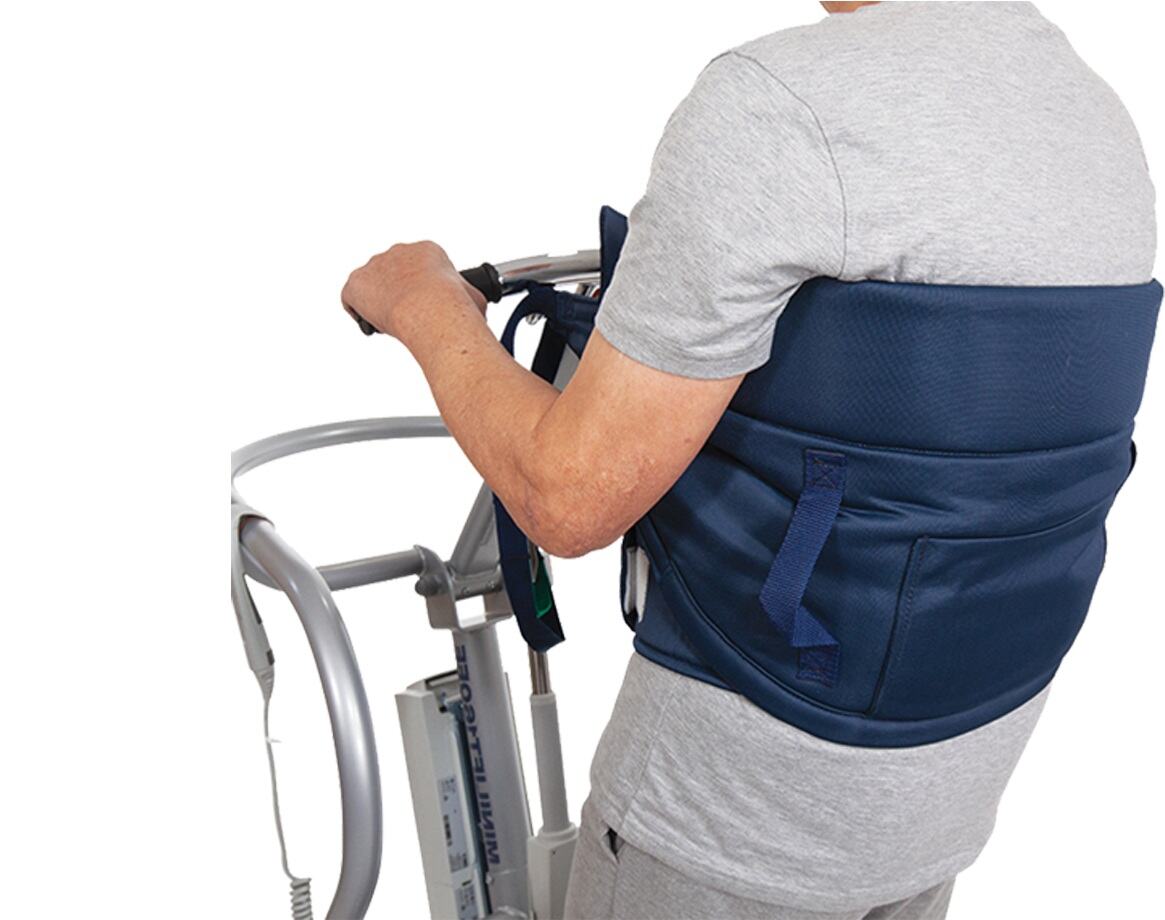
Patient Functional Assessment: The Core Criterion for Sit to Stand Sling Selection
Evaluating Trunk Stability, Weight-Bearing Ability, and Head Control
Getting a proper functional assessment done is really important when choosing the right sit to stand sling for someone. Medical professionals typically look at three main things when making this decision: how stable the person's trunk is, whether they can bear some weight on their legs, and if they have good control over their head and neck movements. For folks who struggle with core strength, special slings that wrap around the chest area are needed to stop them from leaning sideways while being moved. When it comes to weight bearing capacity, clinicians watch how well someone stands with help to decide between slings that offer minimal assistance (where the patient bears over half their own weight) versus ones that provide maximum support. Head control matters a lot too, especially for people with neurological conditions. Those without stable neck movement absolutely need head supports built into their slings to prevent dangerous whiplash situations. Tools such as the Berg Balance Scale give healthcare workers concrete numbers to work with here. Research published last year showed that nearly two thirds of all transfer accidents happened because the wrong type of sling was used, which makes clear why getting this assessment right just cannot be skipped.
Assessing Pelvic Alignment and Lower Limb Support for Safe Sit-to-Stand Transfers
How the pelvis sits affects both safety when transferring between surfaces and how efficiently someone moves their body. People who have had strokes or hip replacements often experience asymmetry in their pelvic alignment, which can actually boost shear forces on the body by around 40 percent according to research published in the Journal of Biomechanics last year. Good quality sit to stand slings work by keeping the pelvis in a neutral position but still allow for differences in anatomy like one leg being longer than the other or tightness in certain muscles. When it comes to thigh support, the goal is to stop knees from giving way under weight but at the same time make sure blood continues flowing properly through the legs without restriction.
| Assessment Focus | Clinical Implication | Sling Feature Alignment |
|---|---|---|
| Pelvic symmetry | Prevents lateral tilting | Contoured ischial padding |
| Weight distribution | Reduces pressure injuries | Even force dispersion panels |
| Knee extension | Maintains standing posture | Adjustable thigh loops |
Foot placement during weight shifts also warrants observation, as improper positioning heightens fall risk. Because mobility status evolves, regular reassessment ensures ongoing transfer safety and appropriate sling alignment.
Clinical Task Alignment: Matching Sit to Stand Slings to Transfer Goals
Differentiating Sit-to-Stand from Full-Body Transfers: Design Implications for Sit to Stand Slings
When patients move from sitting to standing positions, they need to bear some weight themselves and actively participate in the process, unlike full body lifts where everything is suspended off the ground. Because of this difference in function, we see a growing preference for simple belt style slings that focus on stabilizing the chest area and pelvis without those annoying leg loops. These types of setups allow for better control when pivoting around, keep patients covered with less fabric touching their bodies, and actually help maintain normal walking patterns which makes them especially useful for people recovering from neurological issues. According to recent studies published in the Mobility Safety Journal back in 2023, healthcare workers have noticed about 37 percent fewer problems with skin damage when using these specialized sit to stand slings instead of traditional full body options during transfer procedures.
Optimizing Sling Geometry for Common Use Cases—Toileting, Bathing, and Seated Mobility
The right geometric design can make a big difference when it comes to safety and independence for users. When thinking about toileting needs, things like fast release buckles and fabrics that wick away moisture help keep things clean and allow people to manage their own clothes without assistance. For bathing areas, manufacturers often incorporate materials that dry quickly along with hardware resistant to rust, plus those special shaped back supports that stop someone from slipping around on wet floors. Seated transfers between wheelchairs and commodes are another area where design matters a lot. Low profile seating options actually cut down on pressure spots when someone has to sit for extended periods. A study published last year found that good geometry in these products can reduce the physical stress on caregivers by nearly 30% during routine care tasks according to Ergonomics in Care journal. What's really important though is how these specialized features work together to keep the spine and pelvis properly aligned without cutting off blood flow, which is absolutely necessary for individuals dealing with circulation issues.
Lift System Compatibility and Mechanical Safety Requirements for Sit to Stand Slings
Powered vs. Manual Lifts: How Mechanism Type Affects Load Distribution and Sit to Stand Sling Performance
Lift systems that are powered provide steady upward force controlled by motors, which cuts down on shear stress and spreads weight more evenly throughout the sling's back support area and where it attaches. Manual lifting is different though. When caregivers have to do the work themselves, their effort varies quite a bit. This creates uneven forces that put too much pressure on certain parts of the sling. What happens? Specific areas get overloaded, and research from the Rehabilitation Safety Consortium shows this actually raises fall risks by about 27% in 2023 studies. That's a pretty significant jump when we're talking about patient safety.
Mechanical compatibility is mandatory—not optional:
- Cradle bar configurations (4-point vs. 6-point) dictate precise sling attachment geometry
- Load sensors in powered systems require slings with integrated tension feedback loops
- Emergency descent mechanisms in manual lifts demand reinforced strap anchors
Regulatory agencies—including the FDA and ISO 10535—emphasize that no universal sling fits all lift types. Facilities must validate each sling-lift pairing prior to clinical use. Uneven load distribution accelerates material fatigue, degrading tensile strength by up to 40% over time—making mechanism-specific validation the cornerstone of operational safety.
Sizing, Weight Capacity, and Material Integrity: Ensuring Operational Safety of Sit to Stand Slings
From Accurate Patient Measurements to Correct Sit to Stand Sling Dimensions
Getting accurate measurements of patients is really important when using sit to stand slings properly. Important body measurements to check include how long the torso is from the shoulder point down to the middle thigh area, the hip size where the leg straps go, and how wide the shoulders are so the sling covers enough upper body area for stability. When slings don't fit right, they can cause pressure sores, mess up the pelvis position, or lead to wobbly transfers that put everyone at risk. Care staff need to make sure the sling can handle more weight than what the patient actually weighs. Going over the weight limit raises the chance of falls by around 70% according to NIOSH research from last year. Most manufacturers have sizing guides that help match different body shapes to the correct sling sizes. A well fitting sling spreads the weight across all the support areas, which helps protect the skin and keeps the body aligned correctly during those sit to stand movements. Since people's bodies change fast, especially after surgery or injuries, regular checks and updates to measurements are necessary for ongoing safety in care settings.
Frequently Asked Questions (FAQ)
Why is a functional assessment important when selecting a sit to stand sling?
A functional assessment helps determine the appropriate sit to stand sling by evaluating trunk stability, weight-bearing ability, and head control to ensure the safety and effectiveness of transfers.
What are the key features to consider in slings for patients with pelvic alignment issues?
For patients with pelvic alignment issues, slings should maintain pelvic symmetry and have features like contoured ischial padding and even force dispersion panels to prevent lateral tilting and reduce pressure injuries.
How do powered and manual lift systems differ in terms of sling performance?
Powered lift systems provide steady upward force, reducing shear stress and evenly distributing weight, while manual lifts create variable effort leading to uneven force on slings, which may increase fall risk.
Table of Contents
- Patient Functional Assessment: The Core Criterion for Sit to Stand Sling Selection
- Clinical Task Alignment: Matching Sit to Stand Slings to Transfer Goals
- Lift System Compatibility and Mechanical Safety Requirements for Sit to Stand Slings
-
Sizing, Weight Capacity, and Material Integrity: Ensuring Operational Safety of Sit to Stand Slings
- From Accurate Patient Measurements to Correct Sit to Stand Sling Dimensions
- Frequently Asked Questions (FAQ)
- Why is a functional assessment important when selecting a sit to stand sling?
- What are the key features to consider in slings for patients with pelvic alignment issues?
- How do powered and manual lift systems differ in terms of sling performance?