
 EN
EN


Understanding Sit to Stand Slings: Essential Support for Patient Mobility
Defining Sit to Stand Slings and Their Core Function
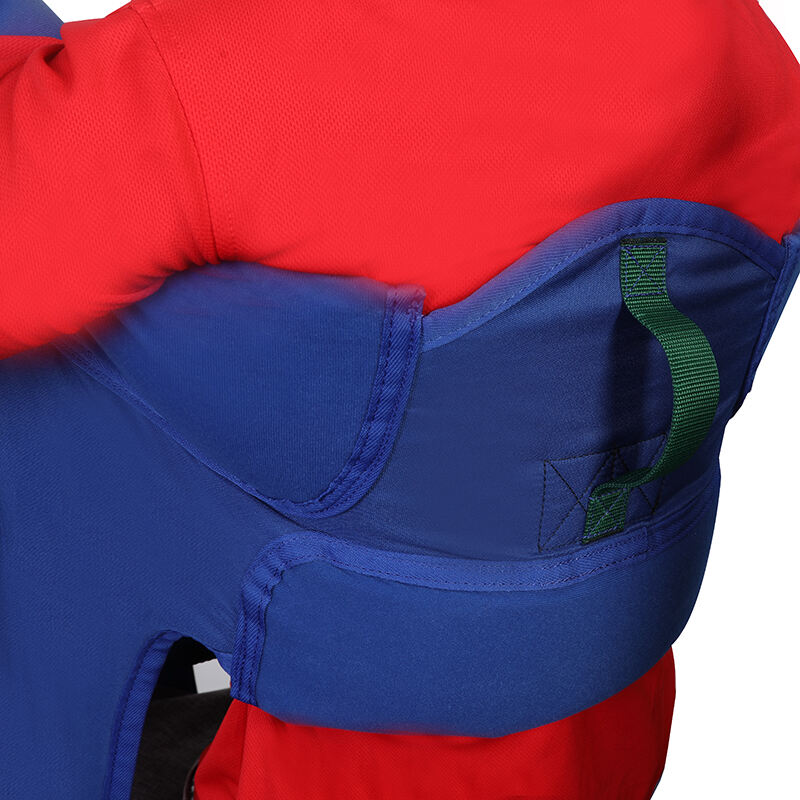
Sit to stand slings are innovative devices crafted to aid individuals facing mobility challenges as they transition from a seated to a standing posture, significantly fostering their autonomy. By evenly distributing the patient's weight, these slings aim to minimize discomfort and reduce the likelihood of injury during such transitions. They are typically equipped with features like padded sections and adjustable straps, which allow customization based on patients' unique sizes and specific requirements. These elements ensure that each user receives optimal support and comfort tailored to their needs.
How Sit to Stand Slings Differ from Other Patient Lift Slings
Sit to stand slings offer a unique approach compared to traditional patient lift slings, which generally elevate a patient entirely off the floor. Instead, they facilitate a gradual lifting process that harnesses the patient’s own muscular strength, encouraging active participation. This method is particularly advantageous in rehabilitation environments, where fostering and building strength gradually is essential for recovery. Compared to other patient lift slings, sit to stand variations are designed with ergonomics in mind, enhancing both safety and patient comfort through their specialized shapes.
The Critical Role in Promoting Patient Independence
Sit to stand slings play a crucial role in improving patient mobility by enabling users to take part in standing activities, which are vital for daily living skills. Engaging in these activities can significantly improve mental health outcomes, as research has shown that increased independence helps reduce feelings of helplessness among patients. Additionally, this newfound independence alleviates the burden on caregivers, ultimately enhancing the quality of care provided. As a result, both patients and caregivers benefit from the use of sit to stand slings, underscoring their importance in healthcare settings.
Benefits of Sit to Stand Slings for Patients and Caregivers
Reducing Fall Risks and Injury Prevention
Sit to stand slings play a vital role in reducing fall risks and preventing injuries during patient transfers. These devices provide essential stability and support, which drastically lowers the likelihood of falls. According to statistics, falls can lead to severe injuries, and the implementation of sit to stand slings has been linked to a significant decrease in such incidents. Furthermore, using these slings helps minimize injuries among caregivers by reducing the physical strain associated with manual patient transfers, making them an indispensable tool in ensuring safety for all parties involved.
Encouraging Active Patient Participation in Transfers
One of the primary benefits of sit to stand slings is their ability to promote active participation among patients during transfers. These slings empower patients by providing them a sense of agency, allowing them to engage more actively in their mobility. This active involvement not only assists in physical therapy but also significantly enhances the patient's confidence. Additionally, the design of these slings encourages self-reliance, motivating patients to work towards achieving greater mobility and independence in their daily activities.
Alleviating Physical Strain on Healthcare Providers
Sit to stand slings are invaluable tools for alleviating the physical strain on healthcare providers. By utilizing these slings, caregivers can significantly reduce the physical labor and strain experienced during patient transfers. The ergonomic design of sit to stand slings supports safer lifting techniques, which brings about long-term health benefits for caregivers. Research indicates that improved lifting procedures not only enhance the well-being of caregivers but also lead to higher job satisfaction, contributing to a more positive work environment in healthcare settings.
Selecting the Right Sit to Stand Sling: Key Considerations
Sizing and Weight Capacity Requirements
Selecting the right sizing and weight capacity in sit-to-stand slings is crucial for ensuring both safety and comfort during patient transfers. Knowing the specific weight limits of each sling is essential and aligning these limits with the patient's weight is equally important for effective use. An improperly sized sling can lead to safety hazards such as slippage or patient discomfort. Therefore, conducting a careful assessment of the patient's dimensions and weight is paramount before making a selection. This evaluation guarantees not only safer transfers but also enhances overall user experience by preventing preventable mishaps.
Material Options: Comfort, Hygiene, and Durability
The materials used in sit-to-stand slings play a significant role in both comfort for the patient and maintenance ease for caregivers. Many slings use breathable fabrics that enhance comfort during transfers. Equally important is hygiene; certain slings are manufactured from antimicrobial fabrics, allowing for easy cleaning and reducing the risk of infection. Durability also stands out as a critical factor. Slings made of high-quality materials can endure repeated use without compromising safety, ensuring they remain a reliable asset in patient care over time. Thus, the careful selection of material must balance comfort, hygiene, and longevity.
Attachment Compatibility with Lift Systems
Ensuring the compatibility of a sling with existing lift systems is essential for optimizing functionality and maintaining safety. Different lift systems require specific attachments; therefore, it is crucial to match the sling's compatibility with the lift system in use. This compatibility does not only improve efficiency during patient transfers but also enhances safety measures by minimizing the risk of malfunction. By selecting a sling that fits well with the existing system, caregivers can provide smoother, safer transitions for patients, ultimately improving the care experience for all involved.
Assessing Patient Mobility Levels and Needs
Evaluating a patient's mobility level is key when selecting an appropriate sit-to-stand sling. It involves understanding the physical capabilities and limitations of the patient to ensure a tailored approach to their mobility needs. This assessment often benefits from the involvement of physical therapists who can offer comprehensive evaluations. By considering the patient's specific needs, healthcare providers can recommend slings that will yield better outcomes, supporting patient mobility and comfort optimally. Consequently, it enhances the overall effectiveness and safety of patient handling solutions.
Safe Usage and Maintenance Protocols
Proper Positioning and Application Techniques
Correct positioning of the patient within the sling is essential to ensure both safety and comfort during transfers. Caregivers must receive training to properly execute patient positioning, minimizing risks associated with improper use. Establishing and following step-by-step application techniques can significantly reduce potential errors and accidents. Regular practice not only enhances caregivers' proficiency with sit-to-stand slings but also empowers them with the confidence necessary to prioritize the patient's well-being. It's important to recognize that correct methods of using slings play a crucial role in maintaining high safety standards for patient transfers.
Caregiver Training for Optimal Safety
Ongoing training for caregivers is vital when it comes to the safe use of sit to stand slings, as it directly impacts patient safety. Such training should incorporate both hands-on practice and an understanding of the inherent safety features of the equipment. By emphasizing evidence-based safety protocols, caregivers can minimize risks associated with patient transfers. This holistic approach ensures that caregivers are well-versed in optimal safety measures, allowing them to deliver better care and provide peace of mind to patients and family members alike.
Cleaning Procedures and Maintenance Checks
Routine cleaning of sit to stand slings is crucial not only for maintaining hygiene but also for preserving the integrity of the sling's fabric and features. Implementing a regular maintenance schedule is key to identifying any early signs of wear and tear, ensuring the continued safety of slings for future use. Documenting cleaning and maintenance activities helps create a comprehensive record that is beneficial for audits and quality control purposes. This organized system safeguards both patient safety and product longevity, making it a necessary practice in any caregiving environment.
Table of Contents
-
Understanding Sit to Stand Slings: Essential Support for Patient Mobility
- Defining Sit to Stand Slings and Their Core Function
- How Sit to Stand Slings Differ from Other Patient Lift Slings
- The Critical Role in Promoting Patient Independence
- Benefits of Sit to Stand Slings for Patients and Caregivers
- Reducing Fall Risks and Injury Prevention
- Encouraging Active Patient Participation in Transfers
- Alleviating Physical Strain on Healthcare Providers
- Selecting the Right Sit to Stand Sling: Key Considerations
- Sizing and Weight Capacity Requirements
- Material Options: Comfort, Hygiene, and Durability
- Attachment Compatibility with Lift Systems
- Assessing Patient Mobility Levels and Needs
- Safe Usage and Maintenance Protocols
- Proper Positioning and Application Techniques
- Caregiver Training for Optimal Safety
- Cleaning Procedures and Maintenance Checks