
 EN
EN


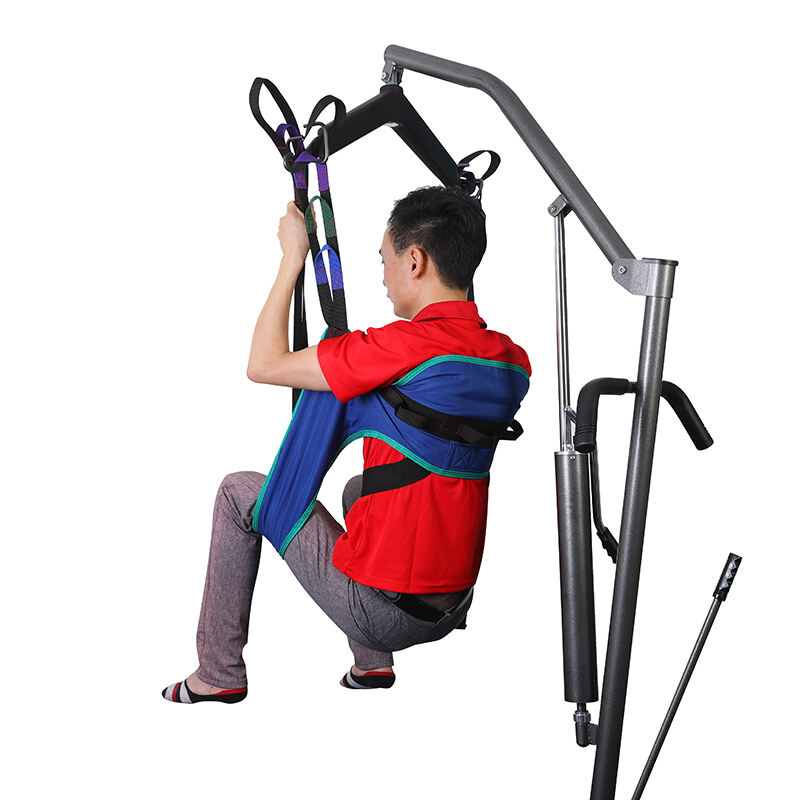
What Are Toileting Slings? Enhancing Patient Safety and Comfort
Key Design Features for Optimal Support
Toileting slings are specialized devices designed to provide significant comfort and support during transfers for patients with limited mobility. These slings feature adjustable straps, allowing customization for various body types and a snug fit to prevent slippage. The use of ergonomic designs and padding materials helps reduce pressure points, thereby enhancing circulation and minimizing the risk of developing sores. Additionally, some advanced designs incorporate built-in heel pads, offering extra protection to vulnerable areas during transfers. These features collectively improve the patient’s experience and mitigate the risks associated with patient handling.
Distinguishing Toileting Slings from General Patient Lift Slings
When comparing toileting slings with general patient lift slings, distinct differences in design and function emerge, particularly in meeting toilet-specific requirements. Toileting slings typically include strategic openings or cutouts, facilitating easier hygiene access and use, a feature generally absent in standard slings. Selecting a purpose-built toileting sling ensures not only improved efficiency during transfers but also enhances user comfort. Therefore, it is vital to choose a sling specifically designed for toileting to optimize both patient safety and comfort during these essential tasks.
Critical Safety Protocols for Toileting Sling Transfers
Pre-Use Equipment Inspection Checklist
Ensuring the safety of both caregivers and patients during transfers requires a meticulous pre-use equipment inspection checklist. This checklist is crucial for confirming the integrity of the sling equipment before every use, thus minimizing the potential for accidents. Key aspects to inspect include checking for any signs of wear and tear, verifying that straps and buckles are functioning correctly, and examining the sling fabric for damage. Proper documentation of these pre-use inspections is vital for maintaining accountability and enhancing overall safety within care settings. Regular inspections serve as an essential safety net in preventing mishaps.
Environment Preparation: Preventing Falls During Transfers
The safety of transfers using toileting slings heavily relies on thorough environmental preparation. It's imperative to assess the area for hazards like slippery floors or clutter that could compromise safety. Recommendations include using non-slip mats and ensuring the transfer path is clear of obstacles, significantly reducing the risk of falls. Proper lighting and adjustable height equipment are also crucial to accommodate both patient and caregiver needs efficiently during transfers. By meticulously preparing the environment, we create a safe and effective transfer space for everyone involved.
Proper Application Techniques for Dignified Assistance
Maintaining patient dignity during transfers with toileting slings hinges on proper application techniques. These best practices emphasize the importance of safe and respectful application, incorporating open communication with the patient throughout the transfer process to alleviate anxiety. Utilizing a two-person team when applying the sling can greatly aid in achieving precise positioning and ensures added safety during the procedure. This collaborative approach not only enhances safety but also respects the patient's comfort and dignity, making the entire experience more supportive and less stressful for the patient.
Selecting the Ideal Toileting Sling for Individual Needs
Assessing Patient Mobility and Body Requirements
When it comes to selecting the right toileting sling, understanding the patient's specific mobility limitations and body dimensions is crucial. This involves evaluating factors such as the patient's weight, height, and any physical deformities or conditions that might impact the choice of sling. For instance, a patient with limited upper body strength might require a sling with added support. To ensure accurate evaluations, I highly recommend using assessment tools or guidelines provided by healthcare institutions. These resources often include detailed protocols that help caregivers choose an appropriate sling that meets the unique needs of the patient, enhancing both comfort and safety during transfers.
Material Considerations: Hygiene vs. Comfort Balance
One of the critical considerations in selecting a toileting sling is balancing hygiene with comfort. Various materials are used in the construction of these slings, each offering distinct benefits. Breathable fabrics are particularly beneficial as they enhance comfort for the patient while ensuring ease of cleaning and promoting infection control. It's also essential to consult manufacturer guidelines on material maintenance to ensure both ergonomics and hygiene are effectively balanced. By understanding the characteristics of different materials, caregivers can make informed decisions that prioritize both the patient's comfort and health, contributing to a more effective caregiving process.
Comprehensive Care and Maintenance Guidelines
Cleaning Protocols to Prevent Infection Risk
Toileting slings must undergo meticulous cleaning procedures to mitigate infection risks effectively. Regular sanitation is crucial, employing specialized detergents to maintain the sling’s integrity and safety. The cleaning must adhere to specific temperature guidelines—typically using warm, not hot water—to avoid damage. For instance, consistent maintenance can dramatically lower infection rates in healthcare settings, ensuring patient safety. A review by the CDC highlighted that proper cleaning protocols could reduce healthcare-associated infections by up to 30%, emphasizing the necessity of diligent sanitation practices.
Storage Solutions and Routine Wear Inspection
Proper storage of toileting slings is crucial for prolonging their lifespan and maintaining their effectiveness. Slings should be stored in dry, well-ventilated areas, shielded from direct sunlight to prevent material degradation. Additionally, establishing a routine inspection schedule is essential for identifying signs of wear and tear early. Staff should follow a structured checklist during these inspections to document any findings accurately. Educating healthcare staff on the significance of maintaining sling condition is vital to ensuring ongoing patient safety. By systematically inspecting slings, healthcare providers can proactively manage risks, thereby upholding high standards of patient care.
Empowering Caregivers Through Effective Training
Essential Transfer Techniques for Risk Reduction
Comprehensive training in essential transfer techniques is crucial to reducing the risk of injury for patients and caregivers. Our training modules focus on safe transfer methods to ensure smooth and efficient patient movements using tools like patient lift slings and transfer slings. By incorporating hands-on demonstrations and realistic simulations, we foster a deeper understanding and effective skill acquisition among caregivers. Additionally, implementing feedback mechanisms is key to continuously enhancing the training's effectiveness. These feedback loops allow us to identify knowledge gaps and adjust training content accordingly, making sure that caregivers are always equipped with the latest techniques for patient safety.
Implementing Safety Audits and Protocol Updates
Regular safety audits play a pivotal role in identifying and mitigating risks associated with the use of toileting slings and similar equipment. By systematically reviewing and updating safety protocols based on audit findings, we ensure compliance with the latest standards and safeguard patient welfare. This process also highlights areas that need improvement, allowing for timely protocol updates. Ongoing education is emphasized as part of our continuous improvement strategies. By keeping caregivers informed and engaged, we enhance their practices and ensure they are well-prepared to handle any challenges they might face in using patient support devices such as heel pads and cushions.