
 EN
EN


Why Dignity Is the Core Function of a Toileting Sling
Beyond Mechanics: How Toileting Slings Shape Patient Identity and Autonomy
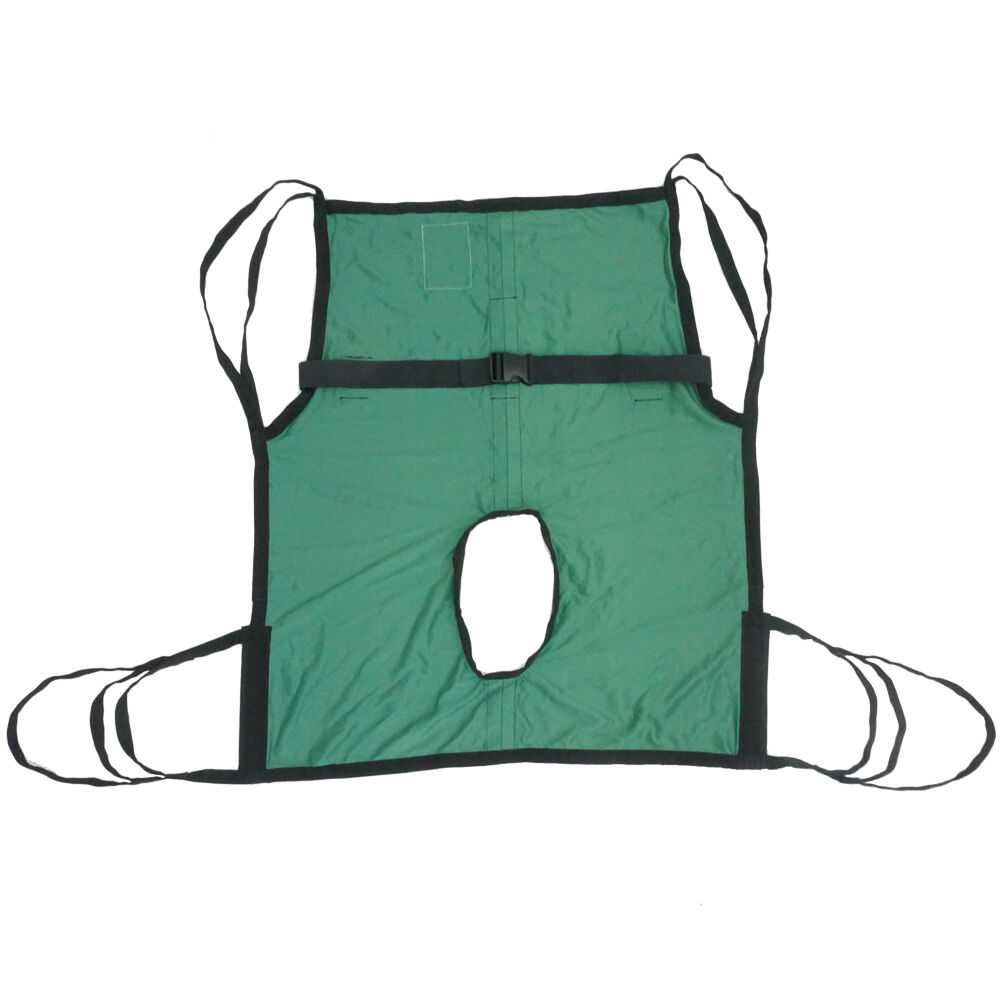
Toileting slings do more than just help people move around they actually help preserve who patients are as individuals. The way these slings are designed matters a lot. They have special openings that fit over commodes and legs that wrap around properly so there's less fabric getting in the way when someone needs help with bathroom tasks. The shape of the sling supports the body naturally, keeping limbs aligned without having to push or pull them into position. This makes a big difference for people who struggle with movement because it lets them feel like they're still in control of their own body. When someone is dealing with health issues or memory problems, this kind of control fights against feeling treated like a child. Good design isn't just about comfort it's also mental protection. Patients can look at themselves in the mirror after using the sling and say "I'm still me" even though what they're doing might not be very dignified at times.
The Psychological Cost of Undignified Transfers: Anxiety, Resistance, and Care Avoidance
When dignity gets compromised during bathroom routines, it leads to serious mental health issues down the line. Many patients find themselves in awkward positions or have to be moved while exposed, which creates real anxiety problems. About two thirds of people actually feel dread when thinking about these situations according to a study from the Journal of Rehabilitation Medicine back in 2021. The stress shows up physically too, with tight muscles and resistance that makes transfers harder and puts caregivers at greater risk of getting hurt. What happens next is even worse because when people feel disrespected, they start avoiding care altogether. Some will literally stop drinking enough water or hold off on asking to go to the bathroom just to avoid going through those traumatic experiences again. This kind of self neglect has terrible consequences, raising urinary tract infection rates by nearly half and making falls 30% more likely for adults who already struggle with mobility. Looking after someone's psychological comfort isn't just morally right, it actually makes a big difference in real world medical results too.
Design Principles That Prioritize Dignity in Toileting Slings
Modesty-First Engineering: Strategic Commode Openings and Contoured Body Support
Engineering that puts modesty first helps reduce exposure without losing any important functions. The design includes things like wrap around leg closures, those subtle modesty panels we see so much these days, plus commode openings placed just right for privacy but still letting caregivers do what they need to. According to research from Patient Safety Journal back in 2021, about 7 out of 10 patients felt less anxious when using slings that covered their whole body. The contoured support in these devices actually keeps the spine and pelvis aligned naturally, which cuts down on those harmful shear forces that can lead to skin problems over time. And let's not forget those little quick release buckles hidden away somewhere - they make adjustments possible during care without making anyone feel unsafe or embarrassed. These small details really transform what could be awkward moments into something more dignified for everyone involved.
Material Integrity Meets Human Sensitivity: Antimicrobial, Breathable, and Easy-Clean Fabrics
The choice of fabric matters for both safety in clinical settings and how people actually feel about being helped. Antimicrobial coatings stop bacteria from growing on surfaces, which is really important stuff since dirty equipment causes around 15% of hospital infections according to CDC stats from last year. Materials that let air circulate and wick away sweat help keep skin comfortable when someone needs assistance for long periods. Also worth noting, slings made without seams reduce those annoying friction spots that might hurt delicate skin areas. Surfaces that clean quickly are essential too, allowing staff to properly sanitize between patients without sacrificing the gentle touch that makes all the difference. When everything comes together right, these material choices do more than just function well they create something that feels good against the body, offers security where needed, and shows genuine consideration for human needs throughout design.
Selecting the Right Toileting Sling for Individual Needs
Matching Slings to Mobility Level, Body Geometry, and Hygiene Requirements
Choosing the right equipment involves looking at three main things: how mobile someone is, whether it fits their body shape properly, and what infection control needs exist. For patients who can't sit up well on their own (those scoring 2 or below on the FIM sitting balance test), rigid seat slings with pelvic supports tend to work best. People who have some balance left (scoring 3-4 on FIM) usually do better with contoured thigh pads that stop them from sliding around and give them more confidence in their posture. Important body measurements matter too. Thighs wider than 22 inches generally need adjustable leg straps for proper support. Getting the ratio between torso and pelvis right is crucial since getting this wrong leads to pressure sores in about 62% of cases according to wound care studies. When it comes to keeping things clean, we need fabrics that kill bacteria as per ISO 20743 standards (over 99% effectiveness) plus hardware that works with standard hospital cleaners. Something worth remembering: almost a quarter of all transfer accidents happen because equipment isn't rated for the patient's actual weight. That's why checking these specs regularly makes sense when weights change over time.
| Factor | Assessment Parameter | Clinical Consequence of Mismatch |
|---|---|---|
| Mobility | FIM sitting balance score | Falls during transfers (→42% risk) |
| Body Geometry | Thigh circumference + torso angle | Tissue shear (68% pressure ulcer cases) |
| Hygiene Needs | Laundering temperature tolerance | Cross-contamination (→78% with 71°C wash) |
Safe and Respectful Toileting Sling Transfers: Protocols That Protect Both Patient and Caregiver
Pre-Transfer Dignity Check: Privacy Setup, Equipment Inspection, and Verbal Consent
Having a good pre-transfer routine is key for keeping things safe and respectful during patient moves. Start with making sure there's proper privacy involved. Close those doors, pull down any curtains, and keep other staff members away so the person feels comfortable and not anxious about what's coming next. Then check all the equipment carefully. Look at the slings for any signs of damage, make sure straps are attached properly without fraying, and actually test how the lifting mechanism works before starting anything. Getting verbal agreement from the person being moved matters most though. Use simple words to explain each step as we go along something like "I'll hold onto your knees first, then we'll slowly lift together." Studies have found that when these three things happen privacy, checking gear, and clear communication injuries drop around 34% while patients tend to cooperate much better about 58% improvement. Stick with this approach regularly and even basic transfers become respectful interactions where everyone feels safer physically and emotionally.
FAQ
What is the main purpose of a toileting sling?
A toileting sling aims to facilitate safe and dignified transfers for individuals requiring assistance with bathroom tasks, while also maintaining their identity and autonomy.
How do toileting slings contribute to psychological wellbeing?
Well-designed toileting slings help reduce anxiety, resistance, and care avoidance by ensuring comfortable and dignified movement, which ultimately prevents serious mental health issues.
What are key design features of a toileting sling?
Key features include modesty-first engineering, strategic commode openings, contoured body support, antimicrobial and breathable fabrics, and easy-to-clean surfaces to enhance both functionality and comfort.
How should one select the right toileting sling?
Selection should consider mobility level, body geometry, and hygiene needs to match the sling properly to the individual's requirements, ensuring effective and safe use.
Why is a pre-transfer routine important?
A pre-transfer routine ensures safety and respect during patient moves by setting up privacy, inspecting equipment, and gaining verbal consent, thus reducing injury risks and improving cooperation.