
 EN
EN


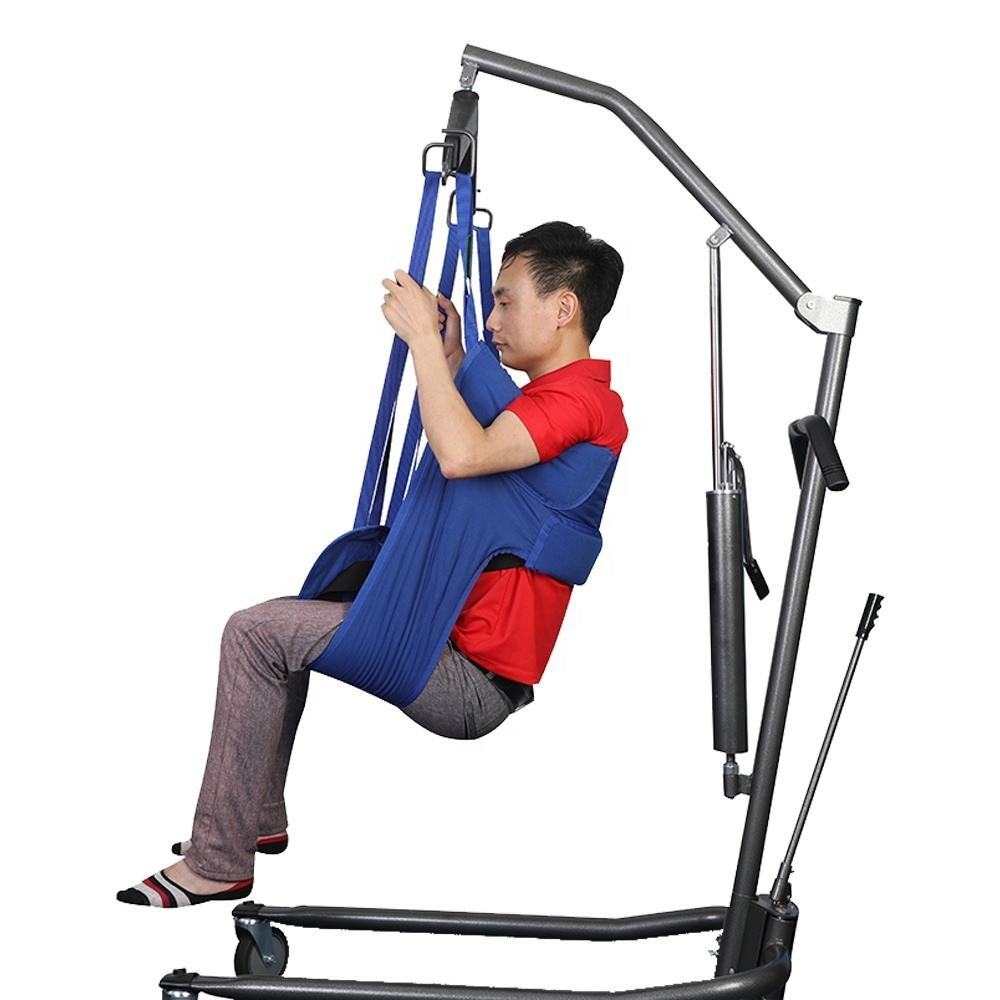
Why Toileting Slings Are Essential for Safe, Dignified Patient Transfers
Moving patients to the toilet area can be dangerous business if facilities don't have the right tools available. When staff members lift or carry people manually, they face serious back problems and other musculoskeletal issues. At the same time, patients who struggle with movement are at higher risk of falling during transfers. That's where toileting slings come into play. These specially designed products feature open sections that let caregivers move someone safely without touching them directly, yet still allows access for cleaning purposes. The way these slings spread out body weight helps protect against pressure sores and skin damage, something hospitals worry about constantly since nearly half of all worker injuries happen during patient transfers. Another big plus is how the cutouts maintain privacy when doing personal care, so patients aren't completely exposed. Choosing the correct sling for each person cuts down on caregiver fatigue by around 35 percent compared to traditional lifting techniques, plus makes transfers much steadier overall. Many nursing homes and rehabilitation centers have noticed dramatic drops in skin breakdown cases and close calls with falls after adopting these slings as part of standard procedure.
How to Choose the Right Toileting Sling: Fit, Function, and Clinical Alignment
Matching Sling Size and Design to Patient Anthropometrics and Mobility Level
Getting the right fit on a toileting sling means taking accurate measurements of thigh circumference, how wide the torso is, and leg length to stop it from slipping or causing skin damage. The sling should hold at least 10% more weight than what the person actually weighs because bodies retain fluids sometimes, and nobody wants to risk overloading anything. People who can't control their trunk muscles benefit from slings with adjustable parts and pivot points that spread the weight out across the body properly while keeping the spine aligned when moving them around. What kind of mobility someone has really affects which sling works best. Full support models are needed for folks who can't bear any weight at all, while others with some mobility might do better with slings that make less contact. Breathable fabrics help cut down on those annoying shear forces when shifting positions. Most facilities use color codes for sizes now, which makes picking the right one much easier and cuts down mistakes. Safety reports show that wrong sizing leads to about 37% of all lifting accidents, so it's important to check measurements regularly since patients' needs tend to change over time.
Evaluating Toileting Sling Features for Hygiene, Positioning, and Commode Compatibility
Good toileting slings should have those quick release buckles and fabric treated against microbes to make cleaning easier and cut down on infections spreading around. The seat needs to be open enough so caregivers can reach where they need to go without taking everything off or messing with the person's pelvis support. When looking at commodes, check if the leg straps are low profile enough to fit around different shapes, if the waist belt keeps someone sitting up straight, edges that won't rub skin raw, and materials that grip well during transfers. Some research actually found that when slings are properly placed, staff spend about 58% less time moving people around compared to regular models. Worth noting too are slings with adjustable attachment points since these work better across different lifting equipment, making the whole process from bed to bathroom much smoother.
Critical Safety and Comfort Considerations in Toileting Sling Use
Proper sling use prioritizes both safety and patient dignity. Incorrect handling risks falls, skin damage, and discomfort—key concerns in care settings where 60% of pressure injuries originate during transfers (Journal of Wound Care 2023).
Preventing Skin Injury Through Proper Sling Positioning and Material Selection
Skin integrity hinges on two factors:
- Positioning: Ensure the toileting sling distributes weight evenly. Avoid folds or bunched fabric that create pressure points. Position straps away from bony prominences like hips or spine.
- Material: Select breathable, low-friction fabrics such as polyester mesh that wick moisture. Avoid coarse textiles that abrade fragile skin.
| Factor | Risk if Neglected | Mitigation Strategy |
|---|---|---|
| Poor Fit | Shear forces, tissue tearing | Match sling size to patient anthropometrics |
| Rough Materials | Abrasions, moisture buildup | Use seamless, quick-dry fabrics |
| Incorrect Angles | Spinal misalignment, discomfort | Align patient upright before lifting |
Always verify weight capacity and compatibility with lift systems. Regular sling inspections for wear further reduce injury risks.
Ensuring Seamless Integration: Toileting Slings with Lift Systems and Commode Chairs
Getting toileting slings properly integrated with lift systems begins by checking if the attachment points match up right. The 4 or 6 point cradle bars need to line up correctly with whatever connectors are on the sling itself. Full body slings that have those big central holes work best for cleaning purposes because they give good access while still supporting the whole trunk area. Seated slings are different though - they mainly help position the torso and thighs when someone can bear some weight during transfer. Those color coded connectors that come standard really cut down on mistakes. We've seen transfer setup errors drop by around 33 percent since they started using them according to Mobility Safety Journal from last year. Speaking of materials, antimicrobial polyester blends that wick away moisture actually bring down cross contamination issues quite a bit too. One study found these new fabrics cut infection rates by almost two thirds compared to regular stuff. Quick release buckles and those wrap around leg closures make it easier to adjust things without making patients uncomfortable. Most folks report feeling much better during transfers now that these features are common. For bigger patients, special cross strap designs with extra reinforcement open up safer options. Lift related problems decrease by about 35 percent with these setups. Before anything else though, always double check that the weight limits on the sling match what the lift system and commode chair can handle. This simple step prevents pressure sores and keeps everyone safe during those important transfers.
FAQ
Why are toileting slings important in patient care?
Toileting slings are crucial as they ensure safe, dignified transfers of patients, reduce strain on caregivers, and minimize risks of injury to both patients and staff during movements.
How do I choose the right toileting sling?
Select a sling that matches the patient's physical dimensions and mobility level. Ensure it holds more than 10% of the patient's weight, and regularly check for correct sizing to prevent lifting accidents.
What features should I look for in a toileting sling?
Look for features such as quick-release buckles, antimicrobial-treated fabrics, and compatibility with different commodes and lift systems to ensure hygiene and ease of use.
How can slings prevent skin injuries?
Prevent skin injuries by ensuring proper positioning to distribute weight evenly, using breathable and low-friction materials, and avoiding pressure points created by folds or bunched fabric.
Table of Contents
- Why Toileting Slings Are Essential for Safe, Dignified Patient Transfers
- How to Choose the Right Toileting Sling: Fit, Function, and Clinical Alignment
- Critical Safety and Comfort Considerations in Toileting Sling Use
- Ensuring Seamless Integration: Toileting Slings with Lift Systems and Commode Chairs
- FAQ